Working through Humidity Challenges in Singapore’s Solid Wood Furniture
Singapore’s warm, humid climate can change the dimensions of solid wood furniture more than many buyers expect. In an HDB flat, a freestanding wardrobe may be affected by the moisture released into the air by wet clothes, open windows and the absence of air-conditioning in a corridor. The same applies to a solid wood sofa, bed frame, dining table, nightstand or marble table. Wood absorbs and releases moisture throughout the year, so the practical question is not whether humidity causes any change at all, but how to choose, place and care for furniture so those changes remain controlled.
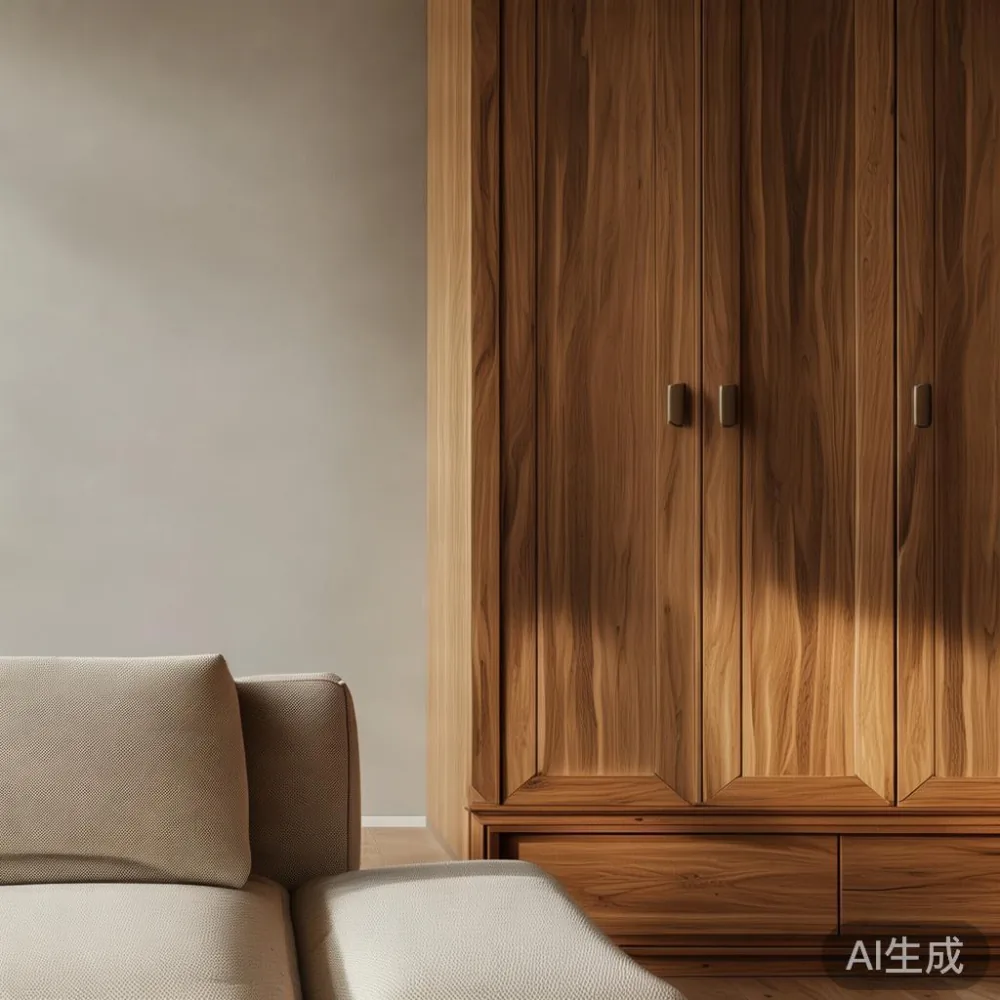
MIDHILL makes solid wood furniture in Foshan, China, and has supplied customers in more than 15 countries since 2008. Its 10-year structural warranty and lifetime refinishing service provide useful protection, but no manufacturer can promise that a cabinet placed directly against a damp wall will remain untouched by Singapore’s conditions. Good humidity management still matters.
Why Singapore humidity affects solid wood
Singapore’s annual relative humidity commonly ranges from about 65% to 85%, with short periods reaching higher levels during heavy rain or when many wet clothes are gathered indoors. Air-conditioning often lowers the figure to roughly 40% to 60%, but bedrooms, bathrooms and corridors can experience larger swings. Wood responds to those changes by gaining or losing moisture, which can make doors fit less precisely and cause small surface marks.
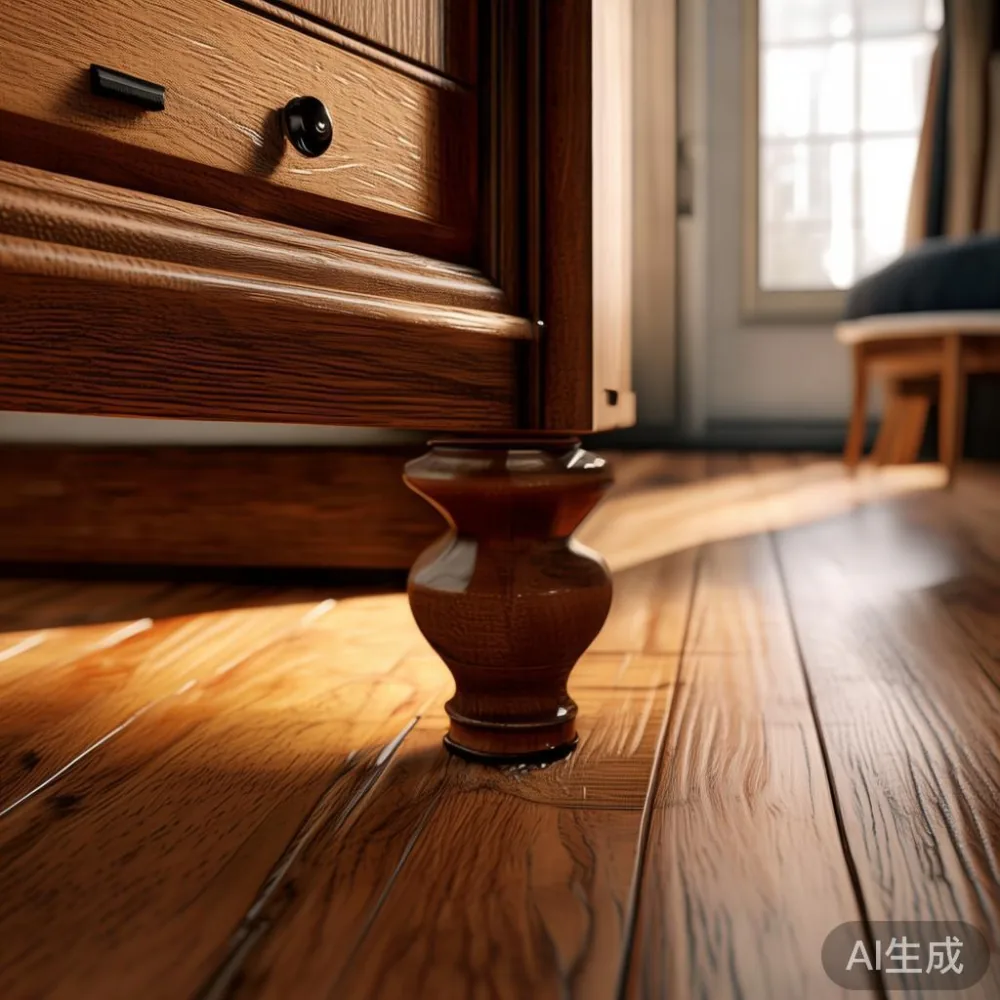
This movement is physical rather than magical. A solid oak board measuring 180 cm long might change by only 2 to 4 mm across its width as its moisture content varies. A taller wardrobe panel measuring 210 cm can show a slightly larger dimensional shift. For a hinged door, that difference may appear as a 1 to 3 mm gap near the top or a rubbing edge. It does not mean the board has split, yet it can still make daily use frustrating.
The risk depends on several measurable factors: the wood species, board thickness, panel construction, joint method, finish, room humidity and airflow. Southeast Asian homes also face direct sources of moisture that overseas catalogues may overlook. Laundry drying in a bedroom, steam from cooking, bathroom spillovers and continuous air-conditioning dehumidification can all create local changes within a single flat.
Humidity is only one part of the equation. A dining table placed beside a frequently opened window may receive sun and rain, while a wardrobe in a cool bedroom may sit near a service duct or exterior wall. Check the actual microclimate around the piece rather than relying only on the weather forecast.
What changes should you look for in an HDB flat?
In Tampines, Bedok and Punggol homes, the most visible symptoms are usually small rather than dramatic. Doors that once closed evenly may need a slight adjustment after a wet week. Drawers can feel tighter, veneer edges can lift slightly and a table top may develop a faint cloudy ring after a glass of cold water is left on it. These signs should be recorded and monitored, not treated with aggressive sanding or excess polish.
Condo residents may experience a different issue: strong air-conditioning dries indoor air more aggressively than expected. A relative-humidity reading near 35% can pull moisture from wood, while an adjacent room at 75% can add it back. Repeated movement over 12 months may therefore be more noticeable than steady exposure at 60%.
Use a digital hygrometer with an accuracy of about ±2% RH. Place it near the wardrobe rather than beside a window or air-conditioning vent. Take readings at the same time each morning and evening for 7 days. Record the minimum, maximum and daily variation. A room that remains between 50% and 65% RH, with no more than 10 percentage points of daily movement, is generally easier for wood than one fluctuating from 40% to 80%.
Do not judge a piece after 1 rainy afternoon. A 7-day record provides a better baseline, and a 30-day record is useful when the wardrobe stands in a frequently used bedroom. If a door binds repeatedly, check the hinges and installation before suspecting the timber.
How should you choose humidity-resistant furniture?
Solid wood furniture should have properly dried stock, stable construction and finishes suited to an indoor environment. For a solid wood bed frame, look for mortise-and-tenon or dowelled joints, straight rails and components that are not unusually thin. For a dining table, solid tops around 20 to 25 mm thick generally tolerate seasonal movement better than very thin panels. The exact design still matters, so ask for the timber species, moisture range and construction details in writing.
Local shoppers comparing European light luxury sofa vs Italian light luxury sofa should look beyond upholstery labels. Confirm whether the frame uses kiln-dried hardwood, how the seat is built and whether the supplier offers spare components. A European light luxury bed vs French provincial bed comparison should similarly consider drawer boxes, centre supports and slat spacing, not only the decorative profile. Posts such as “for sale French provincial furniture” often hide differences in timber and joinery behind a style description.
The same discipline applies to a Modern light luxury for apartment project. Wardrobe sg buyers should verify panel thickness, door alignment, hanging-rail spacing, soft-close hardware and whether the carcass is solid wood, plywood or a mixed construction. The request for “light luxury furniture china” should lead to clear answers about production methods rather than a vague promise about craftsmanship.
MIDHILL was established in 2008 and exports to more than 15 countries, which gives its team broad exposure to climate-sensitive production. A 10-year structural warranty covers structural integrity, but surface finish and moisture-related movement should be understood separately. Lifetime refinishing can restore many worn or marked surfaces over time, subject to the service terms.
Where should a wardrobe, dining table or bed frame be placed?
Leave a ventilation gap of at least 5 cm behind a freestanding wardrobe when the wall allows it. A gap of 10 cm is more useful in a humid bedroom because air can circulate behind the carcass. Do not wedge a tall unit tightly between two walls unless the installation has been designed and measured for that space.
Keep the unit at least 30 cm from an exterior wall in a high-rise flat if possible, and never place it where bathroom vapour or laundry moisture travels directly towards it. Avoid a floor position beside a washing machine in a HDB laundry room. Air should move around the wardrobe without striking its front doors with strong dust or moisture.
For a solid wood dining table, position it away from sliding doors that admit damp wind during monsoon periods. Use coasters and a mat under hot objects, and avoid leaving paper, cardboard or damp cloths against the timber. A nightstand should have space on at least 3 sides where possible, especially if it contains electronics that release heat.
Do not place furniture in direct rain, even under a balcony, unless it is specifically rated for outdoor use. Check delivery routes as well. Singapore HDB corridors and common lift lobbies may be narrow, but the real limitation at the doorway is often the door leaf and turning radius rather than the corridor width itself.
How do lift and corridor dimensions affect delivery?
Measure before ordering. Record the lift car’s internal width, depth and door opening, the corridor width, the staircase turning points and the actual door opening of the HDB flat. For many lift installations, the narrow point may be a 900 mm door opening or a 1,000 to 1,100 mm lift lobby. These figures do not tell you whether a 210 cm tall wardrobe will fit once it is turned on its side.
Ask the supplier for the wardrobe’s packed dimensions and weight. A 210 cm high, 120 cm wide unit may weigh 75 to 110 kg depending on the timber and construction. Two installers may need about 20 to 30 minutes to move a standard flat-pack unit through a 900 mm opening, while a fully assembled wardrobe can require 45 to 90 minutes and additional protection for the corridor.
In a Singapore condo, the building management may require a loading-bay booking, protective floor coverings or an elevator reservation. Confirm those requirements at least 3 days before delivery. Avoid assuming that a service lift can accept a 2.2 m package diagonally; measure its clear diagonal and check for sprinkler pipes and ceiling obstructions.
MIDHILL provides free shipping for orders over US$350, but the quoted threshold uses a different currency from local Singapore prices. Confirm the final SGD amount, GST treatment and delivery charge before payment. A local price comparison should include the 9% GST where applicable and any lift, assembly or access fee that is not included.
Can a marble table handle the same humidity?
Marble reacts differently from wood, but it is not immune to the surrounding environment. A marble table can develop etching if acidic liquids such as lemon juice or cola remain on the surface. Water spots may also appear after rain or cleaning. Support the top properly, keep heavy items away from unsupported edges and use a stable base rather than placing the table on an uneven timber subframe.
Allow a newly delivered marble table to reach room temperature before tightening fittings or placing delicate objects on it. In humid conditions, inspect the underside for moisture and make sure the table is not touching a wet wall. Use pH-neutral stone cleaner and a soft cloth rather than vinegar, which can dull the finish.
The goal is not to trap every gram of moisture. It is to prevent sudden changes and give furniture time to adjust. A dry, ventilated room with stable temperature and humidity is usually more valuable than a room that feels cool only because the air-conditioning is running.
How should you maintain wood through wet and dry seasons?
Clean the surfaces with a soft, slightly damp cloth and dry them immediately. Do not use soaking wet cloths, steam cleaners or household bleach. Keep silicone oil, paint thinner and other solvents away from the finish, and never place a hot styling iron directly on a table top.
During the wet season, check wardrobe doors every 2 weeks in a bedroom used for laundry drying. During the dry period, inspect for sticking hinges and clean the tracks with a soft brush. Do not sand a door merely because it has moved 1 mm; first confirm whether it was installed square, then adjust the hinge if needed.
Maintain indoor relative humidity between roughly 50% and 65% where practical. A small dehumidifier may help in a persistently damp room, but aim for gradual control. Setting a portable unit to extract water continuously without checking the room’s actual readings can make the air excessively dry and cause shrinkage. Position the dehumidifier so that its outlet does not blow directly across a solid wood sofa, bed frame or wardrobe.
For oiled finishes, follow the maker’s maintenance interval and test any product on a hidden 5 cm area. For lacquered or coated pieces, avoid applying oil unless the manufacturer recommends it. The wrong maintenance product can change colour or sheen within 24 hours.
What did a real moisture test reveal?
Last month I visited a colleague’s three-bedroom HDB flat in Punggol to inspect a new dining table delivered from Foshan. We placed a digital hygrometer on the table and another on the floor near an open laundry balcony. The floor reading moved from 61% RH to 82% RH within 40 minutes after wet clothes were brought inside. The table reading rose more slowly, from 58% to 67% over 3 hours.
We measured the table at the longest dimension with a digital calliper at 08:00 and again at 20:00. Over 6 days, the change was around 0.7 mm, which was modest but noticeable beside the dining chairs. The table also showed a temporary ring after contact with a cold glass. We wiped it immediately and allowed the surface to dry; the mark faded within 24 hours. The practical lesson was to keep laundry moisture out of the dining area and to place coasters under cold drinks.
That small test also showed why humidity should not be confused with structural failure. The table remained stable, the joints stayed tight and no cracking appeared. In a wardrobe, a similar level of movement may require a hinge adjustment, while in a thick dining top it may be almost invisible.
Which questions should you ask before buying?
Ask what moisture content range the wood was dried to, which timber species is used, how long the panels are acclimatised and whether the finish is oil, lacquer or another coating. Request the packed size and weight of every large item. Confirm whether the 10-year structural warranty covers the relevant joints and what evidence is needed for a claim.
Also check delivery and returns. MIDHILL offers lifetime refinishing, a 14-day return period and free shipping over US$350, but customers should clarify how these terms apply to international orders, custom dimensions and final-sale pieces. Budget roughly SGD 80 to SGD 250 for delivery and lifting in a Singapore home if the supplier cannot include it.
Keep written records of the furniture’s condition on arrival. Photograph each side, take a humidity reading and note existing gaps or marks. Allow a new solid wood wardrobe or dining table to acclimatise for 1 to 2 weeks before making fine adjustments or loading it heavily.
How can buyers balance style and climate control?
Humidity does not require plain furniture or an all-white interior. French light luxury, American light luxury and post-modern light luxury can all work in Singapore when proportion and placement are handled properly. A pale solid wood dining table can make a compact flat feel larger, while a restrained solid wood sofa can provide visual weight without overwhelming a 90 cm corridor. French provincial details, clean-lined American proportions and crisp post-modern geometry should be paired with stable construction and climate-aware care.
For a Singapore bedroom, choose a wardrobe with adjustable hanging rails, ventilation gaps and doors that can be aligned after the room has settled. For a dining area, select a table with a sound centre support and enough clearance around each seat: about 60 cm for a chair and 90 cm for a walkway where space allows. A nightstand should be sized to leave 10 to 15 cm between the bed and the wall when possible.
Readers researching a MIDHILL coffee table review may notice comparisons involving marble, timber and storage, but a coffee table in a humid home also needs an appropriate surface treatment. The best-performing arrangement is one that controls moisture, allows airflow and suits the room’s dimensions. Style then becomes easier to enjoy because daily function remains predictable.