Wardrobe in Singapore: What Actually Drives the Price of Solid Wood Furniture
Solid wood furniture can look similar across several showrooms while costing SGD 1,500 less or more. The difference rarely comes down to the product name alone. Timber species, moisture treatment, joinery, dimensions, hardware, finish, and delivery access all affect the final bill.
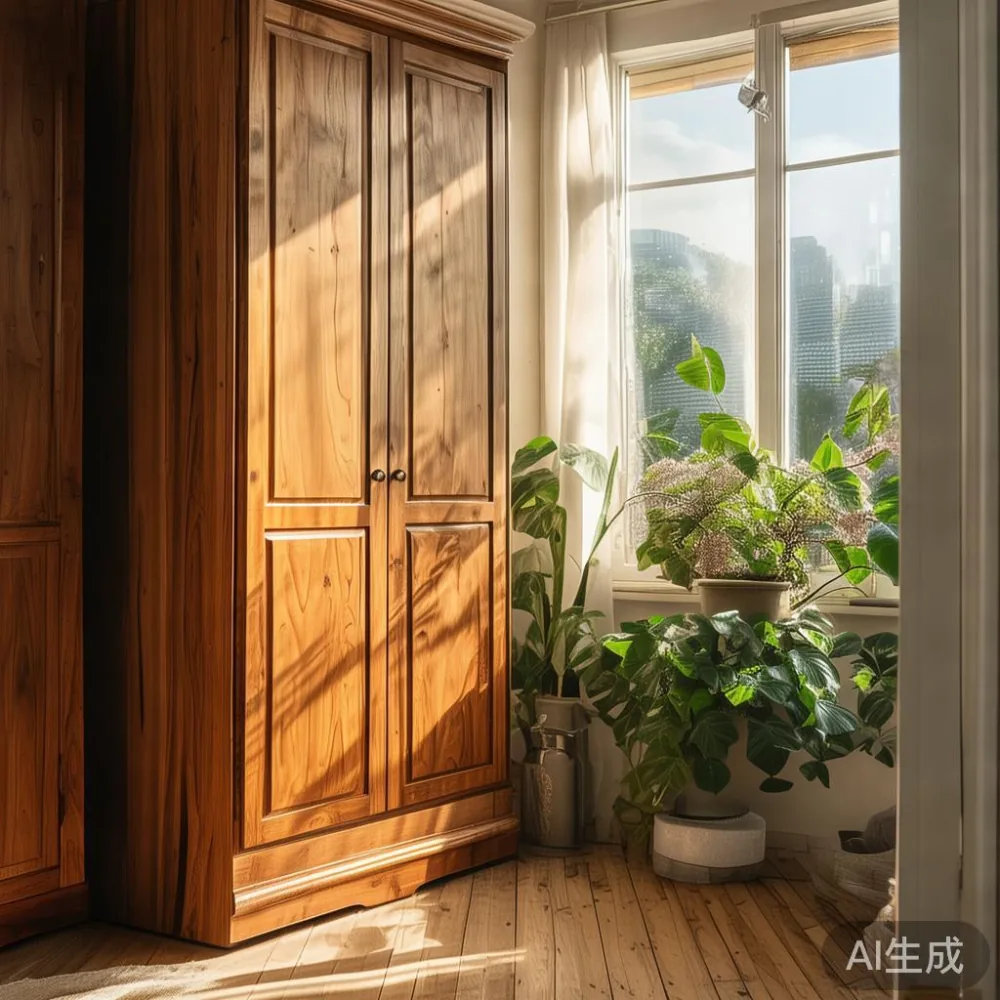
For Singapore homes, those variables are unusually practical. A 180 cm dining table must still fit through an HDB lift and turn along a common corridor. A wardrobe wider than 150 cm may need to be delivered in sections because a residential lift door measures only about 90 cm. A solid wood bed frame also has to suit local humidity, high-rise bedrooms, and the way most residents move furniture between Tampines, Bedok, Punggol, and private condos.
This guide explains what actually drives the price of solid wood furniture, where visible design differences come from, and how to judge the quote without relying on vague claims. It also considers Singapore GST, delivery constraints, warranty terms, and the value of a piece designed to age rather than be replaced.
Why do two solid wood dining tables have such different prices?
The first price driver is the timber itself. Solid hardwood includes materials such as oak, ash, rubberwood, and teak. Different boards vary in density, grain pattern, availability, and machining behaviour. A 200 cm dining table using a widely available hardwood species may begin around SGD 1,300 before configured delivery. The same general silhouette in a scarcer or more characterful timber can reach SGD 3,500 or more.
Appearance also affects board selection. “Solid wood” is a construction statement, not a guarantee of a particular grade. Clear, lightly varied grain can cost more than knots, sapwood, mineral streaks, or mixed colour. Buyers paying for a calm, consistent European light luxury look are effectively paying for stricter selection as well as premium timber.
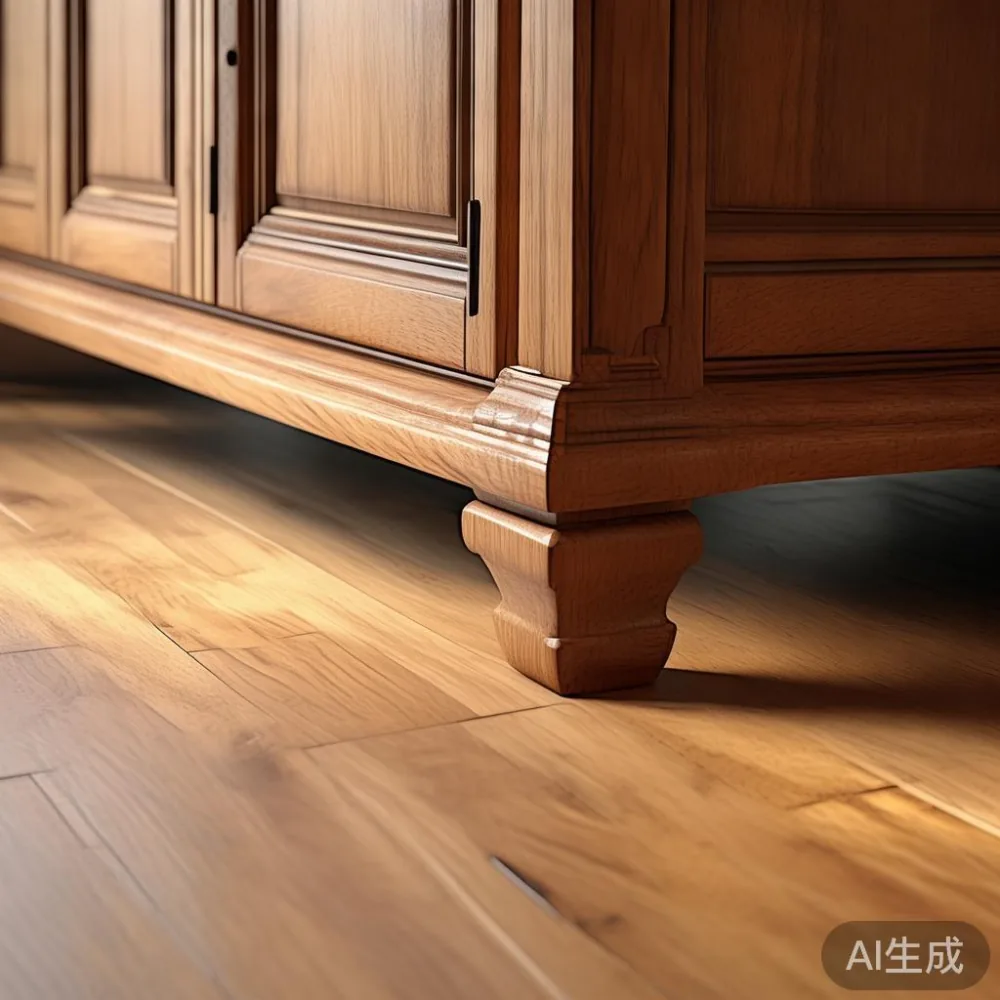
Thickness matters next. A table top built from 20 mm boards will generally use more timber and require better support than a lighter 18 mm construction. Some quotes look inexpensive because the top is thin, the legs are light, and the lower-grade sections are hidden beneath the centre. A well-made table may use 25 mm to 40 mm tops, carefully proportioned legs, reinforced corners, and hardware that remains serviceable after years of use.
For a 6-seat table, usable dimensions around 180 cm by 90 cm are common. An 8-seat model often measures 200 cm to 240 cm by 100 cm. The larger version needs a longer grain sequence, more material, and stronger supports. That is why European light luxury for dining room collections often rise in price with length, profile, and finish rather than with decoration alone.
One practical warning: a dark stain does not remove the cost of grade selection. If the client wants an even walnut or smoky oak appearance, the manufacturer still needs suitable boards, careful matching, and extra finishing passes.
How much should solid wood furniture cost before delivery?
Useful entry points make comparisons easier. A compact solid wood nightstand may sit around SGD 450 to SGD 850. A 120 cm to 140 cm solid wood bed frame often falls between SGD 900 and SGD 2,000. A 180 cm to 200 cm dining table may range from SGD 1,300 to SGD 3,500. A two-door solid wood wardrobe commonly starts near SGD 1,200 and can exceed SGD 4,000 when it includes extensive drawers, mirrored panels, premium hardware, or a more decorative finish.
These are comparison ranges, not fixed prices. A marble table introduces another category of cost because the stone slab, cut-out, edge treatment, base, and reinforcement must be calculated separately. A marble-look sintered stone top can reduce weight, while natural marble varies and may cost more. Neither should be described as solid wood simply because the base is timber.
A solid wood sofa may cost more than an upholstered model because the timber frame must meet a different structural standard. Good examples pair kiln-dried hardwood rails with webbing or springs, high-density foam, and replaceable fabric covers. The price includes comfort engineering, not only visible timber. Popular design references can help define a target: a search for the best Post-modern sofa for 2026 may lead toward low profiles, curved edges, and restrained cream or taupe upholstery, while French provincial references usually favour carved details, softer silhouettes, and upholstered seating.
Likewise, comparing a Japanese bed vs French provincial bed exposes an important pricing divide. Japanese-oriented beds often use clean planes, slatted support, and compact frames. French provincial beds add shaping, moulding, and sometimes more elaborate finishing. Both can be solid wood, but the latter generally requires more skilled machining and inspection.
In Singapore, shown prices should be treated as pre-GST unless the listing explicitly states otherwise. GST is currently 9%, so a SGD 2,000 table would become SGD 2,180 after tax. Confirm the taxable amount, delivery charge, and any installation fee in writing rather than assuming everything is included.
Is timber drying and Singapore humidity properly accounted for?
Moisture control is one of the clearest hidden price drivers. Wood moves as its moisture content changes. A frame that was assembled from damp boards may look acceptable in a showroom and later develop movement, splitting, or joint gaps in a humid climate.
Responsible production includes controlled drying, acclimatisation, and finishes that accommodate dimensional movement. The cost may appear as kiln-drying, conditioning, and quality-control time rather than a visible feature. That work is less decorative than carved trim, but it protects the buyer’s investment.
For Singapore, a stable indoor environment around 22°C to 28°C and 40% to 65% relative humidity is sensible. Air-conditioning helps, but direct afternoon sun can still dry one side of a wardrobe or bed frame. A solid wood dining table should not be placed beside a west-facing window without protection from a mat or blind.
Last month I visited a supplier’s finishing area in the Foshan factory and watched a solid wood dining table undergo repeated sanding and sealing. The extra time was not “luxury”; it reduced defects and made the coating more even. I also noticed that darker finishes required additional preparation. This observation reinforced how much of the price sits in invisible production standards.
Ask how the timber was dried, whether it is solid throughout the visible structure, and what expansion allowance is built into the design. A 10-year structural warranty can provide useful protection, but it should specify what is covered. Moving damage, accidental impact, and finish changes may need separate treatment.
Why do joinery, hardware, and finish change the quote so sharply?
Joinery often separates a lower-cost piece from one intended for long service. Dowelled joints, mortise-and-tenon joints, corner blocks, and screwed or bolted structural connections each require different production methods. Machine screws and solid brass or metal hardware can add cost, but they can also make replacement easier than relying on hidden nails or glued fittings.
Consider a wardrobe with six doors. Its price can rise because of full-extension drawers, adjustable European hinges, soft-close mechanisms, internal divisions, and reinforced hanging sections. A wardrobe sg buyer should check the drawer runner rating and hinge manufacturer, not just the number of compartments. Premium soft-close hardware usually adds SGD 40 to SGD 250 per opening set, depending on the specification.
Finish is another major factor. Lacquer, stain, wax, oil, and open-pore treatments behave differently. A deeper textured finish may require additional sanding and several coating cycles. White and very pale finishes can reveal pores and board variation, so labour and inspection increase. Matte surfaces also show fingerprints and marks differently from satin or gloss finishes.
MIDHILL describes its offer as light-luxury furniture with a 10-year structural warranty and lifetime refinishing support. The useful distinction here is between a premium appearance and premium service. A lifetime refinishing commitment can be worth more than an expensive initial finish if the buyer expects to maintain a dining table, bed frame, or wardrobe over a 15-year to 25-year ownership period.
Check whether refinishing is offered as a service, what labour and material costs apply, and whether the original finish must be returned. A clear process is more useful than a broad promise.
What does delivery into an HDB flat or condo actually add?
Delivery can cost more than a buyer expects because “free delivery” may refer to a threshold rather than every access condition. For Singapore orders above US$350, MIDHILL offers free shipping, but the final destination terms still deserve attention. Local conversion, GST, lift booking, and delivery beyond the ground-floor drop-off point should be confirmed.
Typical HDB residential lift doors measure roughly 90 cm wide and 210 cm high, although building-specific dimensions vary. A 180 cm wardrobe cannot enter upright unless it can be tilted safely. Thick wardrobes may need split carcasses, doors removed, or assembly inside the bedroom. Older walk-up flats require an extra carry because there may be no lift at all.
Condo loading bays, service lifts, parking restrictions, and security appointments add another layer. Some buildings require movers to submit documents several days ahead. The practical delivery range may be 7 to 21 days after production for a made-to-order Singapore order, with stock items often taking 3 to 10 days. Custom pieces can take 4 to 8 weeks. These lead times should be distinguished from the transit time.
Measure the route before ordering. Record the lift door width, lift depth, corridor turns, stair width, bedroom doorway, and ceiling height. For a bed frame, compare the assembled dimensions with the lift, then check whether the headboard can be turned through the corridor. For a dining table, remove the legs if the manufacturer designed them to detach.
Delivery insurance matters too. A scratched tabletop or dented wardrobe panel is inconvenient, and an unauthorised handover can complicate a claim. Photograph the pieces on arrival, inspect them in daylight, and record any damage before the delivery team leaves.
Which design languages justify a higher price?
Design affects labour through complexity. French light luxury, American light luxury, and Post-modern light luxury each create a different production demand. French-inspired furniture often involves profiles, shells, carved leaves, cabriole legs, and layered finishes. American light luxury often uses clean architectural forms, generous proportions, and high-quality upholstery. Post-modern work may combine unusual geometry, mixed materials, and precise transitions.
For clients researching the top 10 Italian light luxury furniture, the recurring features are controlled silhouettes, rich material contrast, tactile surfaces, and careful coordination between a table, chair, cabinet, and bedroom suite. The reference does not mean every piece should carry heavy ornament. In the right room, restrained curves and pale timber can create the same luxurious effect at a lower production cost.
A designer European light luxury furniture approach also depends on scale. A 220 cm dining table that feels light in a 30 m² dining area can be more appropriate than a smaller but visually dense design. Similarly, designer European light luxury furniture should be checked for practical dimensions, not only photographs.
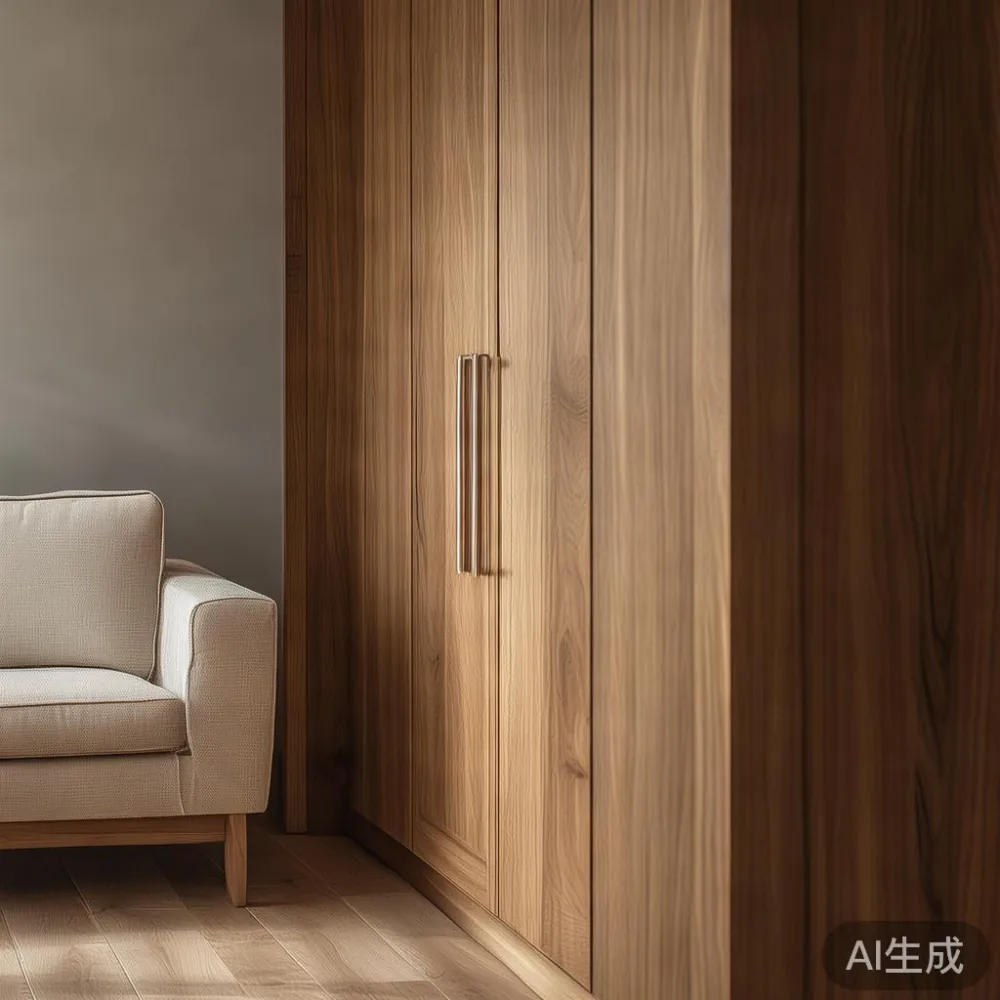
For wardrobes, a useful search phrase is the best Modern wardrobe for 2026, followed by a check of sliding or hinged doors, internal depth, mirror placement, ventilation, and lighting. A 60 cm internal depth is usually practical for hanging clothing, while 55 cm may suit folded items better. A 70 cm depth can improve capacity but makes the wardrobe more imposing in an HDB bedroom.
For a bed frame, compare the Japanese bed vs French provincial bed according to room size and maintenance. Japanese-style simplicity often works well in Punggol and Tampines bedrooms with limited visual clutter. French provincial detailing can suit a larger master bedroom in Bedok or a condo where the room can carry more shape.
How can I compare two quotes without being misled?
Start with the construction specification. Ask for the timber species, board thickness, dimensions, drawer and hinge brands, joinery method, finish layers, and load-bearing claims. The exact wording “solid wood” should not be accepted as the entire specification. Some visible surfaces may be veneer, solid timber may be limited to the frame, and engineered boards may be used where the design does not require solid timber.
Next, separate the product total from access costs. Compare the item price, GST at 9%, delivery, carrying, installation, and removal of packaging. A lower product price can still be the better value if the alternatives require inaccessible lifts or extensive dismantling.
Check the warranty period and return conditions in writing. MIDHILL provides a 10-year structural warranty, lifetime refinishing, and 14-day returns under its stated policies. A 14-day return window is useful for checking fit and appearance, but customized dimensions, finish choices, and certain commissioned pieces may be treated differently. Read the exclusions.
Solid wood furniture often deserves a higher initial price than a disposable flat-pack alternative because it can be repaired, refinished, and kept for decades. That claim depends on construction and service, not simply on a large timber label. A 4 cm top that can be sanded, a wardrobe with replaceable runners, and a bed frame with serviceable joints all create long-term value.
For most Singapore buyers, the fairest comparison is not the lowest catalogue number. It is the cost of the specified piece, including GST and access, divided by the expected service life and the support available after delivery. Compare a 180 cm wardrobe with another at the same depth and hardware level; compare a dining table at the same timber, thickness, and finish; compare bed frames at the same size and structural specification.
What should I ask before placing a solid wood furniture order?
Ask six direct questions: Which solid wood species are used, and where? Is every visible timber surface solid, or is veneer used? What are the top, frame, and panel thicknesses? Which drawer runners and hinges are fitted? How long will production and delivery take? What exactly does the structural warranty cover?
Add access information: What are the lift and corridor measurements at the delivery address? Will assembly happen inside the room? Are the wardrobe doors and bed frame removable for transport? What happens if the package arrives scratched?
Finally, request a complete written quotation in SGD with GST shown separately. It should list the dining table, bed frame, wardrobe, nightstand, or other specified item, plus delivery and assembly. A clear quote protects both sides and makes later comparison much easier.
The price of solid wood furniture is driven by a chain of decisions: selected timber, controlled preparation, structural design, hardware, finish complexity, size, and logistics. In Singapore, access and humidity deserve equal attention with appearance. When those elements are compared like for like, a higher quote may reflect meaningful differences in how the piece will function and age—not merely a prettier showroom label.