Singapore Wardrobe Prices: What's the Cost?
Solid wood furniture prices can look inconsistent across Singapore showrooms, online stores, and custom suppliers. A walnut dining table may be quoted at S$1,800, while a similar-looking table costs S$2,600. A bedroom wardrobe may land below S$900 or exceed S$2,000. The difference is not simply the brand on the label; it is the timber, construction, hardware, finish, dimensions, and delivery conditions attached to the quote.
That distinction matters in Singapore, where HDB flats, new BTO apartments, and compact condos impose practical limits. A 240 cm wardrobe may fit a bedroom but not a narrow lift or corridor. A solid wood sofa can have an attractive frame and still be unsuitable for a compact living room if its depth exceeds 95 cm. GST also changes the final amount shown at checkout, while fitted delivery and assembly can add hundreds of dollars.
MIDHILL was established in 2008 and exports solid wood furniture to more than 15 countries. Its 10-year structural warranty and lifetime refinishing policy give buyers useful reference points, but they do not explain every price difference by themselves. This guide breaks down the actual cost drivers in plain numbers, with examples relevant to homes around Tampines, Bedok, Punggol, and Singapore’s condo market.
What determines the price of solid wood furniture?
The largest variable is usually the timber itself. Solid wood furniture is made from solid pieces or properly engineered components that use solid wood veneers, but a product labelled “wood” can still contain fibreboard, particleboard, MDF, or mixed materials. The material specification should state the species, whether the piece is solid throughout, and which panels are used.
Oak, ash, and rubberwood are commonly offered at different price points. Rubberwood is generally more economical, while white oak, walnut, and other higher-grade timbers cost more because of supply, processing, appearance, and market demand. The board thickness is equally important. A 20 mm top, a 25 mm top, and a 30 mm top do not have the same material cost, weight, stability, or edge profile.
Here is a simple comparison of indicative Singapore retail ranges:
- A 140 cm solid rubberwood dining table may begin around S$700 before GST.
- A 180 cm solid oak dining table may range from roughly S$1,600 to S$3,200 before GST.
- A 120 cm solid wood nightstand may cost about S$280 to S$650 before GST.
- A 180 cm solid wood bed frame may range from approximately S$900 to S$2,200 before GST.
- A 2-door solid wood wardrobe may range from around S$1,100 to S$2,800 before GST.
These ranges demonstrate why a photograph alone cannot establish value. Ask for the timber name, thickness, panel construction, and hardware specifications. For a furniture budget above S$350, delivery may be included under MIDHILL’s free-shipping offer, but GST and certain add-on services can still apply. Buyers should always review the final checkout breakdown.
Is solid wood automatically more expensive than engineered wood?
Not always. Engineered wood can be highly efficient because large sheets are produced with predictable dimensions and less premium timber. A 18 mm MDF wardrobe panel may cost less per square metre than a 20 mm solid oak panel. However, solid wood can offer advantages in repairability, grain character, and the ability to sand and refinish exposed surfaces. The right comparison is between equivalent products, not between different materials with different functions.
Consider a 210 cm wide wardrobe with two doors. An engineered construction might use 18 mm MDF or particleboard carcasses, with 0.6 mm veneer skins and printed or laminated surfaces. A solid wood version might use 18 mm or 20 mm solid timber frames and panels, hardwood dowels, and visible solid timber on relevant faces. Depending on the timber and finish, the solid wood option may be S$400 to S$1,200 more before GST.
The material claim also needs perspective. “Solid wood” does not mean every hidden component is solid timber. Drawer bottoms, backing panels, and some structural inserts may use different materials. For long-term ownership, it is better to ask for a material map. A reputable specification should identify the timber used in the visible surfaces, carcass, drawers, legs, and panel thickness.
Singapore’s humidity also makes construction quality important. A well-fitted drawer, stable joint, and appropriate finish can matter more than a fashionable but loosely assembled product. Look for clear gaps of about 2–3 mm where movement can occur, evenly aligned doors, and a finish described in terms of coats, sheen, and moisture resistance.
How much do dimensions, weight, and timber thickness add to a quote?
Dimensions drive both material use and logistics. Moving from a 160 cm dining table to a 200 cm table can add 25% to the top area, before allowing for grain selection and wastage. A 200 cm table with a 75 cm height may weigh 55–85 kg, compared with roughly 35–50 kg for a 140 cm version. Heavier pieces require more packaging, handling, and usually a two-person delivery team.
Bed frames show the same effect. A queen bed measuring 150 cm by 200 cm needs more timber than a compact 120 cm by 200 cm model. A solid wood bed frame priced at S$1,250 may rise to S$1,650 at queen size and S$1,950 with a thicker headboard or lifting mechanism. A slatted base can add S$150–S$450, while hydraulic storage may add S$250–S$600, depending on the mechanism.
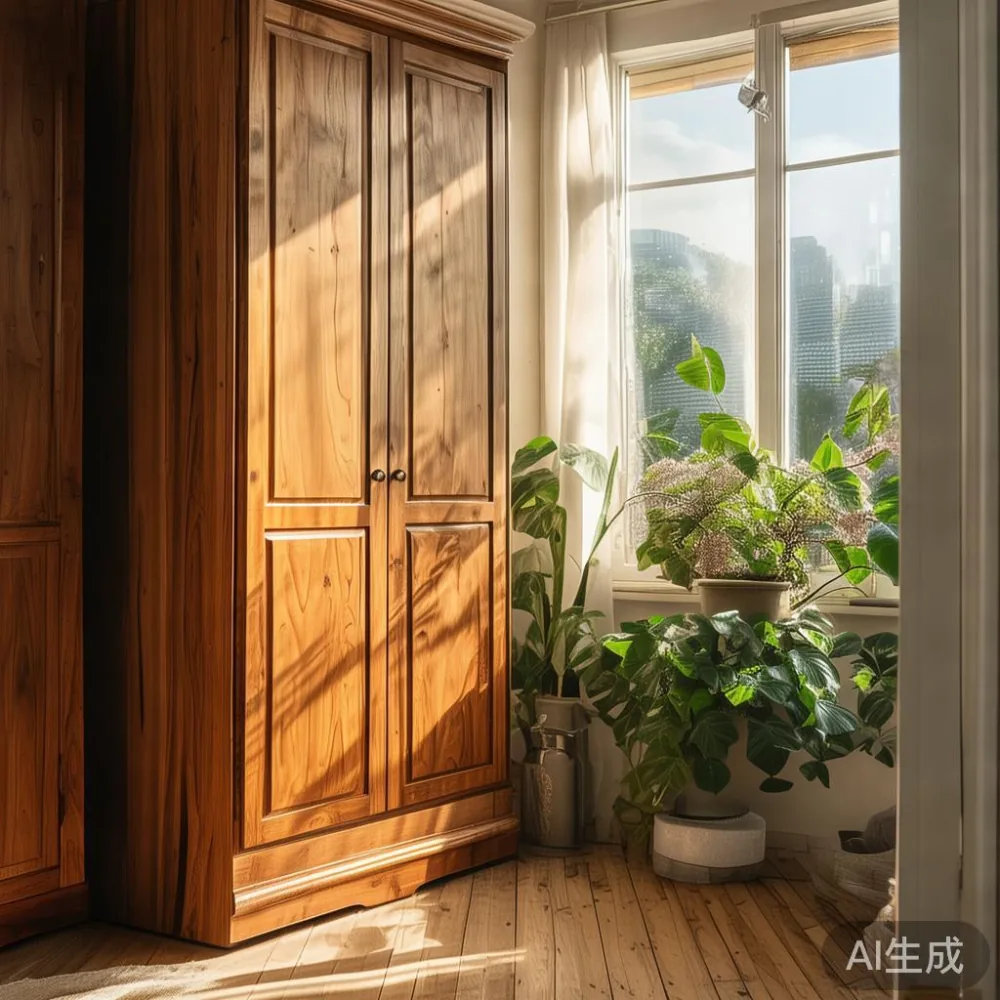
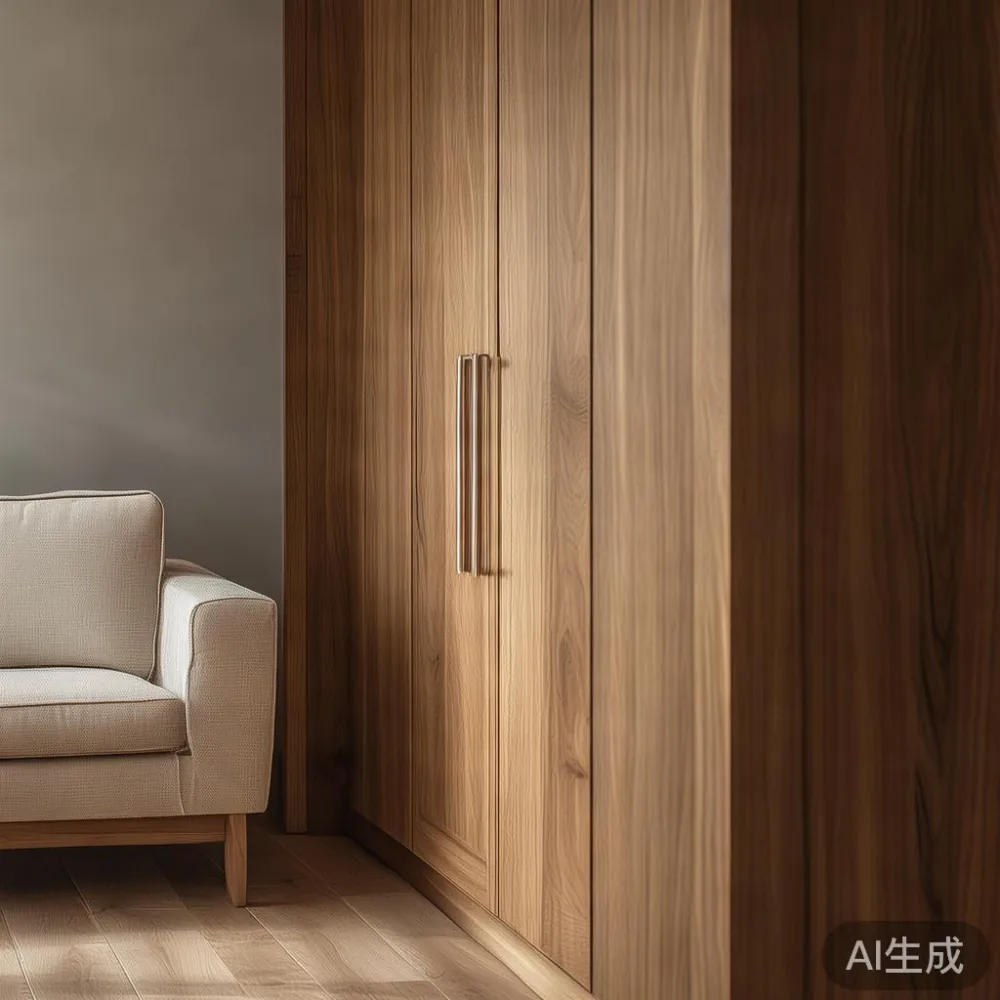
Wardrobe sg pricing is particularly sensitive to width and internal organisation. A 150 cm three-door wardrobe may cost around S$1,500 before GST, while a 210 cm three-door version with drawers, hanging rails, LED lighting, and a pull-out tray may reach S$3,400. Each additional 30 cm of width can add approximately S$250–S$500 to a mid-range quotation.
Standard residential lifts in Singapore are commonly about 900–1,100 cm deep, with door openings near 800–900 mm. Corridors in HDB blocks and older condo developments may only provide 1,000–1,300 mm of turning space. A 210 cm wardrobe can be assembled elsewhere and brought in as panels, but delivery becomes more complicated if it must enter as one rigid unit. Measure the lift, hallway, door opening, bedroom position, and any corners before ordering.
Why do drawer slides, hinges, and joinery change the price?
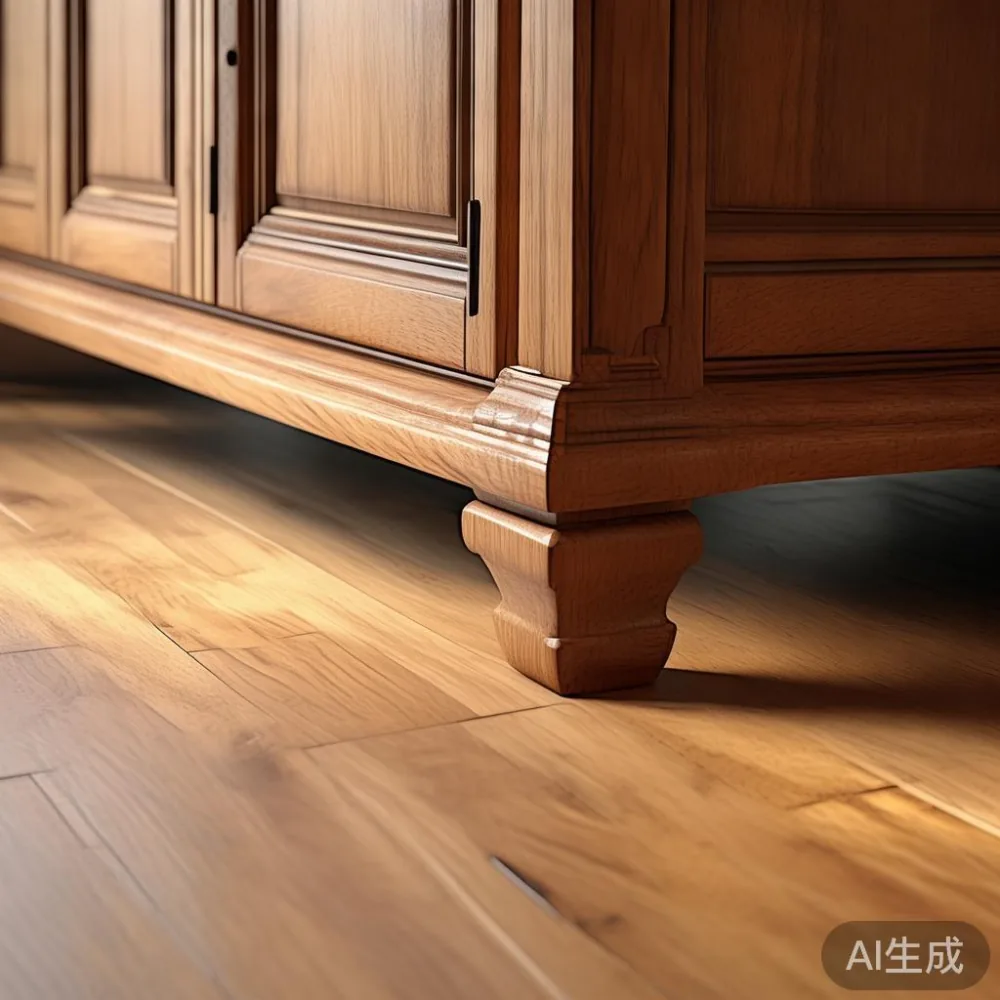
Hardware is one of the clearest differences between two products that otherwise look similar. A basic wardrobe may use concealed hinges around S$12–S$25 per hinge and standard ball-bearing slides around S$15–S$35 per drawer. Soft-close hinges may cost S$25–S$50 each, while full-extension ball-bearing slides may run S$35–S$80 per drawer. Premium German slides can push those figures higher.
For a dining table, the underside matters. Mortise-and-tenon joinery, dowelled construction, corner braces, and reinforced apron rails contribute to the price because they improve stability and reduce movement. The same applies to a solid wood sofa: its frame should be assessed independently from upholstery. Look for a hardwood frame, secured joints, and a sound suspension system rather than relying on the word “sofa” alone.
Joinery also affects labour. Machine-assisted work can keep costs controlled, but hand-selected grain, shaped edges, exposed joinery, and complex corners require additional time. A hand-finished edge on a dining table might add S$80–S$250. A tapered leg profile may add S$60–S$180. A marble table introduces another layer because each slab has different thickness, veining, weight, and installation requirements.
My colleague and I visited a supplier’s workshop last month and watched two nearly identical dining tables being assembled. The first used machine-cut dowels and a simpler apron. The second used tighter joinery, a thicker apron, more selective timber matching, and a slower finishing process. The material cost difference looked modest, but the total labour difference was substantial—around 70 minutes for each table, with a noticeably longer curing and inspection cycle for the second.
That visit made the point clear: construction is not a decorative label. It is a measurable combination of component quality, assembly time, inspection, and finish.
How much should you budget for a solid wood sofa, bed frame, dining table, and wardrobe?
A practical Singapore budget helps separate price factors from marketing language. For a solid wood sofa, expect roughly S$1,300–S$3,500 before GST for a two- or three-seat frame with upholstered cushions. A solid wood bed frame commonly falls around S$900–S$2,400 before GST, while a 180–200 cm dining table may cost S$900–S$3,200. A wardrobe often ranges from S$1,100–S$3,600, and a marble table may range from S$900–S$2,800 depending on stone, base, and dimensions.
These figures can change by several hundred dollars because of the exact timber, surface treatment, and added functions. For example, a 180 cm solid wood dining table at S$1,450 before GST may become S$1,700 with a lighter finish and S$2,050 with a premium finish or more elaborate base. A solid wood nightstand may be S$320 in a simple version, S$460 with a shaped drawer front, and S$620 with soft-close hardware and a marble top.
Style affects labour and material consumption, not only appearance. If you are comparing light luxury bed vs Nordic bed options, focus on construction before style labels. A Nordic-inspired bed may have clean lines and concealed supports, while a light luxury bed may add a upholstered headboard, thicker rails, or decorative detailing. Those choices can increase price by 15–35%.
For living rooms, the question of how to style American sofa in bedroom design is partly about scale. An American-style solid wood sofa may suit a larger bedroom, but a deep seat can obstruct circulation in a compact HDB room. Choose a seat depth below 90 cm when space is tight, and confirm that the assembled width is no more than the clear wall opening plus 10–20 cm.
A Modern light luxury dining table can fit many condo dining zones, but the visual balance depends on room size. A round table of 120–140 cm diameter often works better than a 200 cm rectangular table in a narrow dining area. For a Scandinavian for dining room concept, pale timber, restrained profiles, and a 150–180 cm table are common starting points.
TV storage deserves the same scrutiny. A European light luxury TV console may use fluted timber details and a more decorative cabinet front, while a Modern light luxury TV console may combine clean geometry with stone or metal accents. A 180 cm console may cost S$1,100–S$2,600 before GST. Cable management, drawer quality, and adequate ventilation for electronics should be part of the specification.
What costs are hidden in finishes, delivery, and GST?
Finish is often presented as a minor specification, but it can add 5–15% or more to a furniture price. Low-sheen lacquer, matte stain, clear coat, wire brushing, fuming, and hand-rubbed oil each require different preparation and application methods. A 180 cm dining table with a standard clear finish might cost S$1,500, while the same timber with a wire-brushed finish and sealed edges might cost S$1,780 before GST.
Whitewashing can also expose defects that a darker finish conceals. Premium timber is sometimes priced partly for appearance and grade consistency, not simply for weight. A clean-looking board does not guarantee identical grain across every surface. Ask whether the seller uses a clear selection standard and whether natural variation is expected.
Delivery in Singapore may cost S$60–S$220 for a standard item and S$150–S$400 for a large wardrobe, bed frame, or dining table requiring two-person handling. Stair carries, lift reservations, and extra delivery to a car park lobby can add further charges. Installation of a dining table may be included, while wardrobe assembly may add S$120–S$350. Confirm whether the quoted delivery date is the production date or the arrival date; a custom wardrobe may need 30–60 days, whereas an in-stock nightstand may arrive within 7–14 days.
GST adds 9% to most taxable furniture purchases in Singapore. A S$1,500 table becomes S$1,635 before delivery. This is why comparing pre-GST and post-GST prices can create confusion. Use the same basis for every quotation, including delivery and installation.
MIDHILL offers free shipping for qualifying orders above US$350, but Singapore buyers should verify the currency conversion, destination terms, and any local charges shown before payment. The 14-day returns policy also needs to be read against custom dimensions and finishes: made-to-measure products may have different return conditions. Ask for these rules in writing.
How can you compare two quotations fairly?
Ask each supplier to quote the same specification. Request the timber species, board thickness, dimensions, weight, finish, hardware brand, joinery method, assembly scope, delivery fee, and GST treatment. If one quotation uses 18 mm panels and the other uses 25 mm timber, the price gap is being driven by a real product difference.
For wardrobe sg projects, request a measured layout with internal dimensions rather than relying on a standard drawing. Check rod depth, shelf spacing, drawer extension, door swing, skirting clearance, and whether the wardrobe can be carried into the bedroom. Allow at least 5 cm above wardrobes installed against a wall and verify outlets, water pipes, and ventilation requirements.
For dining tables, ask about clearance: ideally leave 90 cm between a chair and wall and about 120 cm between the table and the nearest major obstruction. For beds, confirm mattress fit, wall clearance, and whether the headboard blocks a window or air-conditioning outlet. For a nightstand, check that the drawer can open fully with a bedside lamp or charging cable in place.
Finally, consider ownership rather than only the invoice. MIDHILL’s 10-year structural warranty and lifetime refinishing service are meaningful points to compare against repair policies. A piece that can be refinished after 6 or 8 years may have a different lifetime cost from one whose surface cannot be restored. Light, exposure, cleaning, and humidity all affect the interval between refinishing.
The price of solid wood furniture is driven by a stack of physical decisions. Timber grade and thickness establish the base; construction adds labour and performance; hardware changes the feel of daily use; finish protects and presents the surface; dimensions affect logistics; and local delivery determines what happens after checkout. Once those variables are separated, a S$1,500 dining table and a S$2,200 dining table can be assessed on evidence rather than appearance alone.