Wardrobe Care in Singapore’s Humid Climate: Lacquer Tips
Singapore’s warmth and humidity can be demanding on furniture finishes. A lacquered wardrobe may look crisp and calm in a showroom, yet its surface behaviour changes as warm air enters a HDB flat, a lift carries it up to the 18th floor, and afternoon sun reaches a bedroom window. Good care is less about preserving a showroom appearance at all costs and more about controlling moisture, heat, friction, and cleaning habits before small marks become difficult to repair.
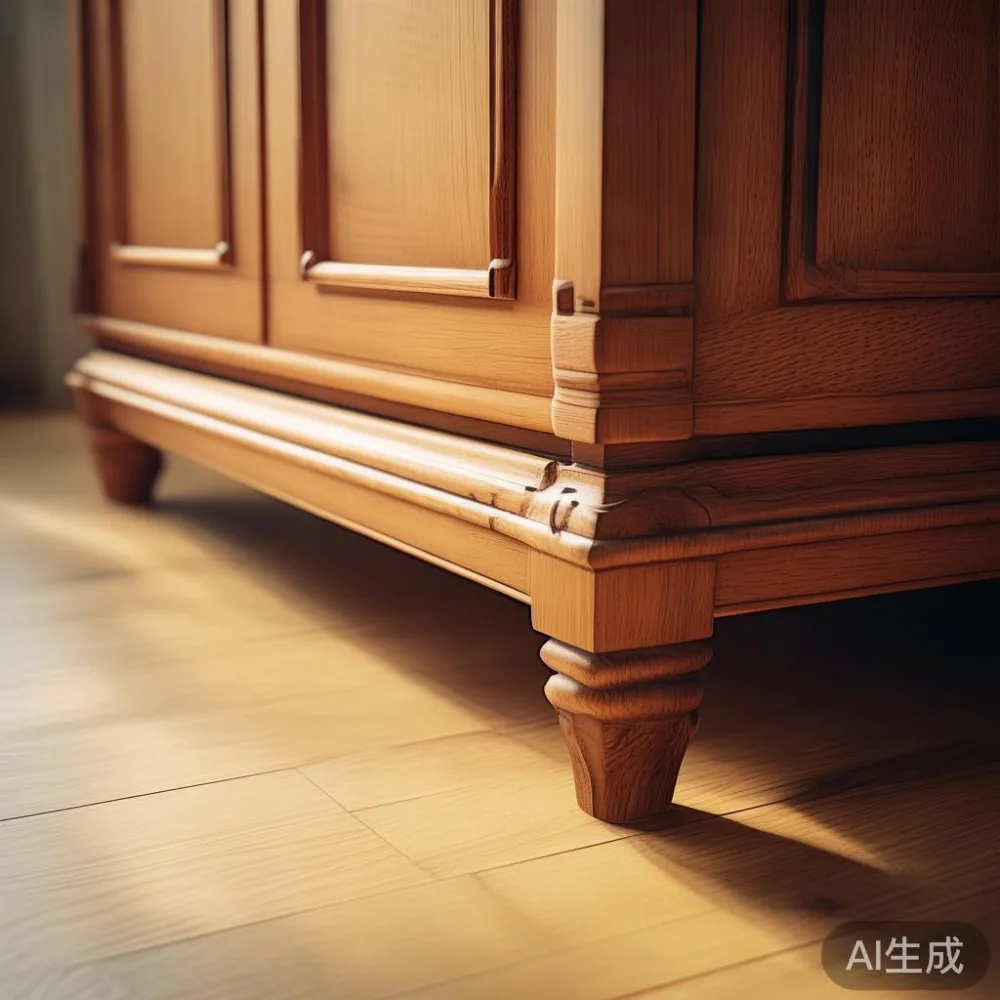
MIDHILL makes lacquered storage pieces in the language of French light luxury: restrained profiles, measured finishes, and materials chosen for daily use rather than visual novelty. A solid wood bed frame, dining table, nightstand, wardrobe, or marble table may suit a Singapore home, but each surface has its own care requirements. Lacquer needs a specific routine, especially in places such as Tampines, Bedok, and Punggol where flats receive strong sunlight and closely spaced lift lobbies make long-term protection especially practical.
The figures below are practical checkpoints, not guarantees. For every lacquered wardrobe sg owner, the safest approach is to combine sensible habits with product-specific instructions from the furniture maker.
Why does lacquer behave differently in Singapore humidity?
<Lacquer is a cured surface coating, not the same thing as solid wood. Underlying timber can move slightly as its moisture content changes, while the lacquer film responds to heat, humidity, and repeated contact. Singapore’s outdoor relative humidity often ranges from roughly 65% to 90%, with monsoon periods and air-conditioned interiors producing noticeable swings in the same day.
Imagine a wardrobe in a Tampines HDB bedroom where the door is closed all morning, an HDB kitchen is active at night, and the air conditioner cycles every 15 minutes. The wardrobe may sit at about 27°C while a corridor outside is closer to 31°C. Doors and drawer fronts can therefore experience several temperature changes in 24 hours.
None of this means lacquer automatically fails. A well-made finish applied with suitable preparation can handle ordinary domestic conditions. The risk rises when scratches reach exposed timber, water is trapped around a joint, or solvents from an unapproved cleaner soften the coating. A 10-year structural warranty addresses structural integrity, but it should not be mistaken for a promise that every surface mark will be repaired free of charge.
Keep the wardrobe away from direct sunlight where practical. A window treatment with a visible light transmittance below 10% can reduce ultraviolet exposure, while curtains hung at least 20 cm from the wardrobe help prevent fabric or dust from resting against the finish. Leave around 5 cm behind freestanding units for air movement, subject to the manufacturer’s installation instructions.
What should I use to clean a lacquered wardrobe?
<Use a soft, clean microfibre cloth, lightly dampened with lukewarm water. Wring it until no liquid drips, then wipe the surface and immediately dry with a second cloth. The cloth should be damp, not wet. A typical cleaning session for a 180 cm wardrobe might take 8 to 10 minutes; a 220 cm unit with three doors could take 15 minutes.
Before trying a product, test it on a concealed 5 cm by 5 cm area for 24 hours. Mild dish soap diluted to approximately 1 teaspoon in 1 litre of water can remove ordinary fingerprints, though the wardrobe supplier’s cleaning guidance takes priority. Avoid alcohol, ammonia, bleach, acetone, nail-polish remover, household degreasers, and “ Miracle”-type solvent cleaners unless the finish supplier specifically approves them.
Clean the top edge, sides, handles, and lower panels, where airborne grease and dust settle more readily. Wipe in the direction of the grain or coating flow, using about 30 to 40 strokes for a heavily touched section. Do not use abrasive pads, wire wool, rough sponge, or a brush with hard plastic bristles. Grit trapped beneath a cloth can create fine swirl marks that become visible under oblique bedroom lighting.
Spills deserve immediate attention. If water reaches the surface, blot rather than rub. If a drink leaves a mark, remove it within 10 minutes while it is still fresh. For an oil-based stain, place an uncoated paper towel over the spot, apply a small amount of the approved cleaner, and let it sit for no more than 30 seconds. Longer soaking may affect lacquer or adhesives around handles.
How can I prevent scratches and dents in a busy bedroom?
Prevent damage by controlling contact points. Hang clothes rather than pushing them sideways against a closed door. The repeated action of denim zips, bag buckles, and belt hardware can scratch lacquer in a way that loose clothing alone would not cause. Add an invisible felt buffer to the wardrobe door edge if the supplier permits it, and fit soft pads beneath any organiser that rests on a shelf.
For children’s rooms, establish a 30 cm clear zone in front of the wardrobe where possible. In a compact HDB flat, this may not be realistic, so choose storage hooks outside the main swing path and keep ride-on vehicles away from the lower panels. A wardrobe door that opens through 90 degrees needs roughly 90 cm of frontal clearance; a sliding system may require less floor space but can place greater pressure on its tracks and rollers.
Use the handles as intended. Pulling from one corner of a 45 cm door can twist its hardware over time. Grip near the centre, apply steady pressure, and keep fingernails and rings away from the panel edge. A brushed brass or dark metal pull may collect fingerprints, so wipe it after daily use rather than scrubbing it aggressively.
Pets can leave claw marks that expose timber. Place a washable mat at least 60 cm from the base of the wardrobe, and inspect pet claws every 4 weeks. Moving furniture requires at least 2 people for many wardrobes. Lift rather than drag, protect the floor with rigid boards at least 3 mm thick, and check that corridor turns provide enough room for the unit’s diagonal measurement.
Does heat and sunlight cause lacquer to fade or bubble?
Heat can soften a lacquer film, while ultraviolet exposure can fade the original colour. Prolonged direct sun may also increase the surface temperature enough to affect the coating. Keep the wardrobe at least 30 cm away from a window when the layout allows, and avoid radiators, halogen reading lamps, and air vents pointing directly at the panels. An LED lamp that produces less than 3000 lumens and sits more than 40 cm away is a sensible choice for a dressing area.
Air-conditioning helps because it lowers humidity and temperature, but blowing cold air continuously at a lacquered surface can create condensation in humid weather. Set the bedroom to around 26°C, use a moderate fan setting, and aim vents along the room rather than directly at the wardrobe. In Bedok and Punggol condos with glazed facades, inspect the wardrobe’s position at different times: direct sun at 1 pm may differ sharply from the exposure seen at 5 pm.
Do not place hot styling tools, kettles, or cups against the finish. An iron left on a wardrobe top for 8 minutes can create a mark that cannot be polished out easily. Use a heat-resistant mat rated to at least 80°C for temporary placement, and return the surface to room temperature before cleaning.
Can I repair small scratches without replacing the whole wardrobe?
Very small marks may be managed with the finish maker’s approved touch-up product. Clean the area, allow at least 24 hours for moisture to evaporate, and apply the matching lacquer in a thin layer according to its instructions. Test on a hidden area first, because colour and sheen can differ across batches.
For scratches wider than 1 mm, deep gouges, lifting edges, or marks exposing timber, professional assessment is more sensible. Repair methods may involve feathering, local colour matching, or recoating a panel, but aggressive sanding can lower the original sheen. Photograph the mark in daylight and at an angle, then record its size in millimetres. This makes it easier for a technician to distinguish a 3 mm scratch from a 30 cm damaged section.
MIDHILL’s lifetime refinishing service is relevant here, particularly because replacing a large wardrobe in a Singapore home is complicated by lift dimensions and stair turns. Before a refinishing visit, provide the wardrobe’s approximate height, width, and depth, along with photos of the access route. A 210 cm tall unit may fit through a 200 cm wide corridor only when turned in a particular sequence, and a condo lift may impose a lower usable opening than its advertised cabin dimensions.
How much space and delivery access should Singapore buyers confirm?
Measure before ordering a wardrobe sg, rather than relying on catalogue dimensions alone. Confirm the finished width, height, depth, door swing, and packaging dimensions. Allow roughly 10 cm of extra packing space around some knock-down units, but follow the maker’s packing specification. Compare the longest package with the narrowest corridor, doorway, and lift entrance, not merely the lift cabin’s internal size.
Standard residential lift openings may be about 90 cm wide, while corridor widths in HDB blocks commonly fall between 120 cm and 150 cm. Condo service lifts can be larger, but building rules may limit moving hours to 9 am to 5 pm on weekdays or exclude weekends. For a Punggol unit near a narrow turning corner, a mock-up using cardboard at the exact package size can reveal whether a 185 cm wardrobe is manageable.
Delivery timing matters because a newly installed piece may need to acclimatise before final adjustments. Ask whether the wardrobe is delivered fully assembled or in modules, whether carrying is included, and what happens if a package does not fit. Singapore’s GST is normally shown separately on consumer invoices; request a full price breakdown rather than assuming the displayed figure is the landed total.
Product selection also affects care. A solid wood bed frame with a lacquered headboard should be treated differently from a plain solid wood dining table, and a marble table requires its own stone-care routine. If you compare Japanese sofa vs Mid-century modern sofa, note that lacquer is commonly encountered on side panels, tables, and cabinetry rather than upholstered seating. The same care discipline applies across a coordinated room, but each material needs its own approved cleaner.
Is light luxury bed worth it for a humid Singapore bedroom?
The question “is light luxury bed worth it” depends less on a label than on how the piece performs in the room. A well-proportioned French light luxury bed can use visually lighter colours and restrained forms, but a pale lacquered headboard will show fingerprints and pale scratches more readily than a deep espresso finish. Choose the colour with realistic cleaning habits in mind, not only with a mood board.
Post-modern light luxury can combine lacquer with curved lines, warm timber, and elegant metal details. That direction does not reduce the need for environmental discipline. If a room receives 3 hours of direct morning sun, provide shade. If wardrobe humidity remains around 75%, use suitable air conditioning and ventilation. If a nightstand sits beside a bed frame, leave 10 to 15 cm between them where the design allows, and prevent table lamps from touching either finish.
Buyers often research 2026 Italian light luxury furniture or under 2000 Modern furniture, using SGD 2,000 as a budget reference. Those broad searches can mix incompatible materials and warranties. Spend time comparing the lacquer system, wood species, hardware, tolerances, and care service rather than treating style names as technical specifications. For clarity on under 2000 Industrial furniture, ask whether “industrial” refers to the finish, construction, or simply visual styling.
MIDHILL’s wardrobe sg collection can be evaluated on fit, finish, and service as one package. For specifications, current pricing, delivery coverage, and care instructions, visit m.midhill.co. Confirm the final dimensions and access plan before purchase, and retain a 10-year structural warranty does not mean finish damage is covered, so ask for the exact distinction in writing.
What is a practical weekly and seasonal care routine?
A weekly routine takes about 10 minutes for a two-door wardrobe. Dust the top and sides for 2 minutes, wipe handles for 3 minutes, clean a marked panel for 3 minutes, and inspect floor-level edges for moisture or insects for 2 minutes. Use a dry microfibre cloth on most days and a lightly damp cloth when needed. Do not wet the base, plinth, or joints.
Every 3 months, check that doors align and hinges feel secure. Mark their current position with removable tape before adjustment, then remove the tape immediately. Inspect for insects around 4 to 6 cm of exposed timber, particularly in humid, unventilated areas. Lift a removable tray if the design permits, and use an approved wood treatment only after confirming compatibility with lacquer.
During monsoon periods, watch for condensation on nearby windows and ensure the wardrobe is not directly beside an opening vent. During dry periods when indoor humidity may fall below 45%, avoid bringing the relative humidity up too quickly with steam. A steady range of about 50% to 65% indoor relative humidity is easier on lacquer and timber than repeated shifts between very dry and very humid conditions.
Annual care includes checking sealant lines, hinges, drawer runners, and the wall behind the unit. Look for mould within 1 cm of the base, movement greater than 2 mm, or a door that rubs when opened through 45 degrees. Photograph each fault from 30 cm away, then contact the supplier promptly.
Keep a simple care record: product name, purchase date, finish colour code, cleaning method, and every reported issue. Singaporeans often renovate on a 5- to 10-year cycle, and a clear record helps distinguish ordinary settling from finish or structural damage. It also gives a refinishing team useful information when colour matching is needed.
How can buyers choose a lacquer finish that suits their home?
Ask the supplier how many lacquer coats are applied, whether a wood sealer is used, and whether the finish is solvent-based, water-based, or a proprietary formulation. “Lacquered” is not a complete specification. Request a sample at least 10 cm by 10 cm, live with it for 7 days, and check how it responds to fingerprints, water, and mild wiping.
Deep satin finishes may disguise fine marks better than high-gloss surfaces in an active bedroom. However, no finish is maintenance-free. Satin can show oily fingerprints; gloss shows fine scratches; textured finishes require careful cleaning. For a condo with floor-to-ceiling glass, insist on UV-performance information and consider a window film or blind that blocks a meaningful share of light.
Ensure the wardrobe includes ventilation openings where the design requires them. A closed 180 cm cabinet containing damp clothing can develop an internal microclimate very different from the bedroom. Empty and air the unit every 2 to 4 weeks, and dry any item before storing it. A cedar tray or dehumidifier can help only if the product is suitable for the space and used according to its instructions.
Finally, check service terms rather than relying on broad claims. Confirm what the 10-year structural warranty covers, how lifetime refinishing is defined, and whether shipping, labour, and GST are included. Singapore orders above US$350 qualify for free shipping under MIDHILL’s stated policy, while returns are accepted within 14 days under the applicable conditions. Read the return exclusions for commissioned sizing, installed items, and damaged finishes before the wardrobe leaves the warehouse.
Good lacquer care in Singapore is a rhythm of small controls: shade the doors, use a damp cloth rather than a wet one, respond within 10 minutes to a spill, move a wardrobe with 2 people, and check access measurements before delivery. Those habits preserve the finish while keeping a solid wood bed frame, nightstand, or other coordinated piece visually calm for years of use.