Wardrobe SG: Solid Wood vs Veneer Over 5 Years
Choosing a wardrobe for a Singapore home is rarely a simple comparison between appearance and price. A 2.4 m wide unit may fit inside a Tampines HDB bedroom yet be awkward to manoeuvre around a common corridor, while a larger wardrobe for a Punggol condo may have to pass through a narrower lift opening. Veneer can make a wardrobe lighter, faster to deliver, and less expensive. Solid wood usually carries a higher initial cost but can remain in service for decades if it is made well.
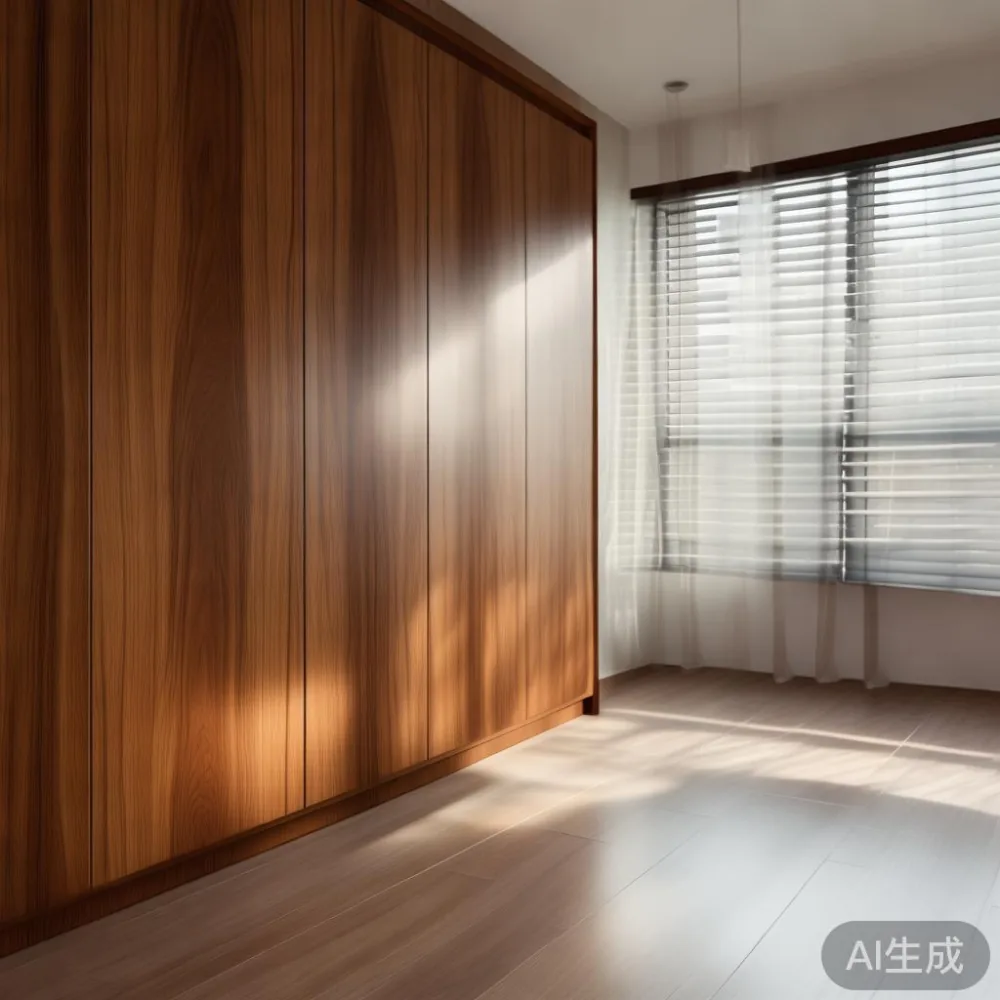
This guide compares veneer and solid wood wardrobes over a practical 5-year period for Singapore households. It includes purchase prices, likely maintenance, weight, delivery constraints, GST, and the less visible factors that affect long-term value. For product questions, MIDHILL can be contacted at midhillco@gmail.com.
What is the real 5-year difference between veneer and solid wood?
The real difference is not simply that one material is “real wood” and the other is not. Both options can look convincing in photographs. The 5-year difference usually appears in repairability, movement tolerance, weight, and the number of times the wardrobe must be moved.
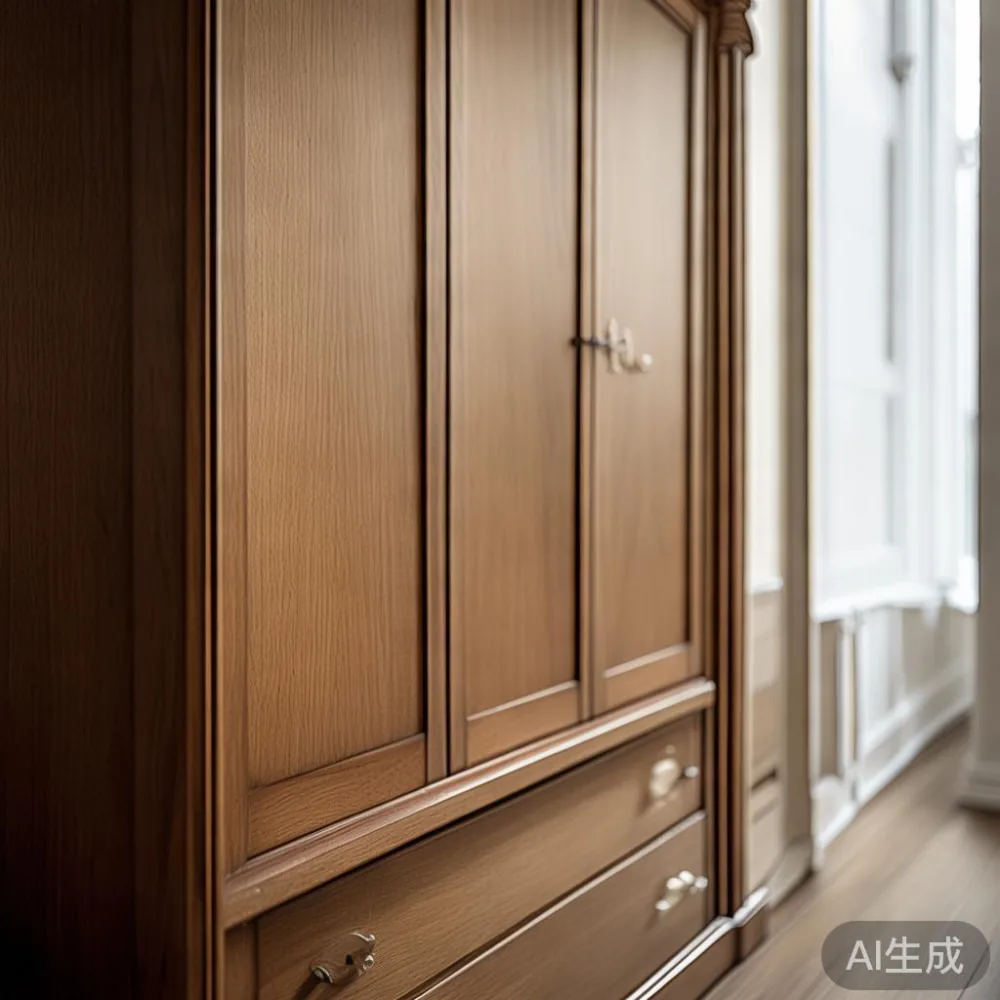
Consider a 240 cm wide, 220 cm high, 60 cm deep wardrobe with 4 doors, 6 adjustable shelves, 3 drawers, and a hanging rail. A mid-range veneer version in Singapore may cost SGD 1,450 before GST, while a comparable solid hardwood version may cost SGD 2,450 before GST. At 9% GST, those figures become SGD 1,580.50 and SGD 2,670.50. The SGD 1,090 initial gap may seem large, but the outcome depends on the wardrobe’s construction and the home’s access route.
A veneered wardrobe commonly uses a chipboard or engineered-wood core, a 0.6 mm to 3 mm wood veneer, and melamine or lacquered surfaces. A solid wood wardrobe uses solid boards for visible and structural sections, although some pieces may contain engineered components that improve stability. Marketing labels such as “solid wood” do not reveal every joint, back panel, drawer base, or veneer thickness, so buyers should request a material schedule.
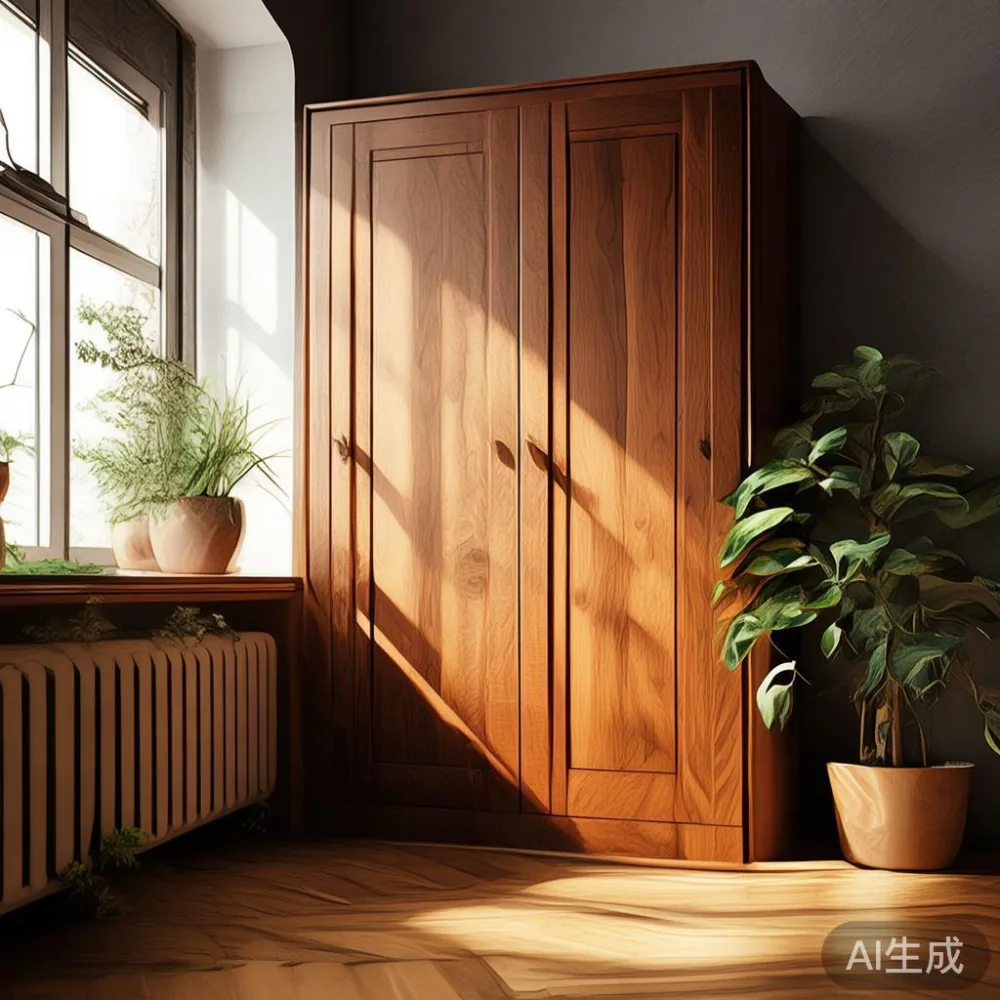
Over 5 years, a well-made veneer wardrobe could remain entirely serviceable. A lower-cost example might absorb SGD 350 in minor repairs, 2 delivery attempts at SGD 90 each, and a final touch-up cost of SGD 80. A solid wood wardrobe might require SGD 180 for one hinge adjustment, SGD 120 for drawer maintenance, and SGD 90 for a refinishing consultation. These are planning figures rather than guaranteed quotations, since humidity, usage, and construction matter.
How much does a Singapore wardrobe cost after GST?
Here is a practical 5-year planning model for a standard HDB or condo wardrobe. The cabinet is 240 cm wide, 220 cm high, and 60 cm deep, with 4 doors, 6 shelves, 3 drawers, 2 hanging rails, and soft-close hinges.
Veneer option: SGD 1,450 before GST; SGD 1,580.50 after 9% GST. Estimated delivery is 10 to 14 days after production, with a delivery charge of SGD 90 below the free-shipping threshold of US$350, equivalent to approximately SGD 460 at an illustrative exchange rate of SGD 1.31 per US$1. If the order is above the threshold, the stated free-shipping arrangement may apply, although the merchant should confirm whether it includes lift delivery, unpacking, and installation.
Mid-range solid wood option: SGD 2,450 before GST; SGD 2,670.50 after 9% GST. Estimated delivery is 14 to 21 days after production. Delivery may cost SGD 90 to SGD 150 depending on distance and access requirements.
Higher-specification solid wood option: SGD 3,600 before GST; SGD 3,924 after GST. This example includes 4 drawers, 8 shelves, 2 hanging rails, 2 mirror doors, solid hardwood drawer boxes, and upgraded runners. It may take 21 to 28 days to deliver.
The important point is not to divide purchase price by 5 and call that “cost per year.” A wardrobe is a durable household asset, but it also has moving costs. Residents who expect to remain in the same HDB flat for at least 8 years may get a stronger financial return from spending more upfront on drawer runners, hinges, board thickness, and finish quality. Residents who expect to move after 3 years may prefer a lighter veneer configuration.
What happens to veneer and solid wood in Singapore humidity?
Singapore’s outdoor relative humidity commonly ranges from roughly 65% to 85%, with air-conditioning reducing indoor moisture but not removing it completely. Timber movement is therefore a normal part of furniture use. A cabinet door may expand by several millimetres across its width as humidity changes.
For a 60 cm wide door, a 0.2% dimensional movement is about 1.2 mm. Plywood or engineered-wood cores generally tolerate this movement more consistently because they are manufactured in layers. Solid wood can also be stable when it is properly dried, joined, and finished, but lower-grade boards may develop small checks, seam movement, or surface changes over time.
Veneer is often less vulnerable to visible cracking because the thin outer layer can move with its core. However, veneer is not immune to problems. Edge banding can peel, a corner can chip, or a veneer sheet can bubble if moisture reaches an unprotected substrate. Solid wood can be sanded and refinished locally. A small veneer chip may require a larger patch if the sheet cannot be matched.
MIDHILL offers a 10-year structural warranty and lifetime refinishing for qualifying products. Buyers should still establish what “lifetime refinishing” means in writing, including labour, transport, and finish limits. For any wardrobe, a practical humidity-care routine includes keeping it 10 cm away from a window, maintaining indoor relative humidity around 45% to 65% where possible, and wiping spills within 30 minutes.
Which material is easier to move through HDB corridors and condo lifts?
Weight can be the deciding factor. A 240 cm wardrobe with a chipboard core, melamine back, and standard drawer runners may weigh approximately 75 kg. The same dimensions in solid hardwood could weigh 115 kg. Larger premium versions may reach 140 kg.
Many HDB blocks have a common lift car interior around 110 cm wide and 140 cm deep, though block-specific dimensions vary. The usable door opening may be only 85 cm to 100 cm. A flat-packed or modular wardrobe is much easier to carry than a rigid finished carcass. A preassembled 240 cm cabinet may not turn through a 90 cm corridor corner, even if it fits the lift’s floor area.
Before ordering, Singapore buyers should measure 4 items: the lift doorway, lift depth and diagonal, corridor width, and bedroom door. A cabinet lifted on its side needs enough diagonal clearance. An installer should also know whether the route includes 3 steps, a 15 cm skirting obstruction, or parking distance of 40 m.
This is where lighter veneer can have a measurable 5-year advantage. If a second delivery attempt costs SGD 90 and 2 people require 90 minutes of paid time, the operational saving can reach SGD 210 to SGD 300 per incident. Solid wood still offers an advantage for future disassembly if joints are designed for it, but very heavy solid carcasses are harder to dismantle safely.
Is a solid wood wardrobe worth the higher price for a condo?
For a Punggol or Bedok condo, the answer depends less on the property type than on the wardrobe dimensions, family routine, and expected occupancy. A 4-door solid wood wardrobe with hardwood drawer boxes may be worthwhile where daily storage is heavy and the unit will remain in place for 10 years or more. A high-quality veneer wardrobe may be more suitable where the design is temporary, the budget is fixed, and frequent rearrangement is expected.
One useful test is to calculate the “finish replacement exposure.” If the wardrobe has 10 m² of external surface and refinishing is quoted at SGD 45 per m², a complete refinishing job could cost around SGD 450. With veneer, a full sheet replacement may also be necessary after 5 years if colour matching is not possible. Solid wood can often be spot-repaired or refinished more discreetly.
Design intent also affects value. French light luxury wardrobes often use pale oak, walnut, fluted glass, and curved metal pulls. American light luxury tends toward generous crown mouldings, deep shaker doors, and warm wood tones. Post-modern light luxury may pair clean cabinets with unusual profiles or coloured glass. A solid wood carcass gives the craft and touch more credibility, while high-grade veneer can achieve the same visual effect with less material weight.
For clients searching for the best Italian light luxury wardrobe for 2026, construction should be checked before the label. Italian-inspired styling does not automatically mean Italian manufacture, and “European” remains a broad origin description. Ask where each component is made, which timber species are used, and whether the finish is water-based, PU, or lacquer.
Which wardrobe has lower maintenance and repair costs over 5 years?
Both materials can fail through use rather than age. Hinges may loosen after 5,000 cycles, drawer runners may wear after 3 years of daily opening, and an adjustable shelf pin can work loose. Planners should budget separately for the wardrobe and its serviceable parts.
For the example wardrobe, a 5-year veneer maintenance allowance might be SGD 280: SGD 90 for hinge alignment, SGD 80 for runner adjustment, SGD 60 for edge repair, and SGD 50 for a professional clean. A solid wood allowance might be SGD 390: SGD 110 for hinge and runner work, SGD 120 for drawer repair, SGD 100 for a finish inspection, and SGD 60 for localised refinishing.
These numbers change with quality. A cabinet fitted with soft-close hinges, solid wood drawer boxes, and replaceable shelf supports may incur less damage. Veneer placed on flat, well-sealed panels is less likely to chip than veneer wrapped around exposed edges. Solid wood is easier to repair only when the affected area is accessible and the grain can be matched.
Cleaning matters as much as material. Use a slightly damp cloth for most marks, avoid silicone-based sprays, and test any cleaner on a 10 cm square area for 24 hours. Do not use abrasive pads on a high-gloss lacquer. If a marble table or nightstand is nearby, keep stone-safe chemicals away from the wardrobe because overspray can dull wood finishes.
How does wardrobe choice affect the rest of a light-luxury bedroom?
A wardrobe is often the largest object in an HDB bedroom, so it influences the apparent space. A light oak veneer with 4 flush doors can make a 9 m² room feel more open than a dark solid wood unit with deep panelled doors. A 240 cm wide cabinet already occupies substantial wall area, while a 200 cm unit can leave a 40 cm gap for a bedside corner.
The styling should match furniture that will be touched often. A solid wood sofa with a firm seat and a solid wood bed frame can establish material continuity with a timber wardrobe. A dining table and marble table introduce different maintenance expectations: stone is durable but porous if unsealed, while timber responds visibly to heat and moisture.
European light luxury often relies on proportion, restrained ornament, and tactile finishes rather than excess decoration. For a compact Tampines flat, fluted glass may collect dust and show fingerprints; satin veneer may be easier to maintain. In a larger Bedok condo, solid wood frames, brass-toned handles, and full-height doors can create a more architectural effect.
Buyers comparing an European light luxury bed vs French provincial bed should consider the wardrobe beside it, not in isolation. A French provincial bed may have curved posts and carved details, while a modern European design may use straighter lines. If the bed frame already supplies visual detail, a simpler wardrobe usually creates better balance.
What should I check before ordering a wardrobe in Singapore?
Ask for a drawing with dimensions, internal clearances, shelf spans, drawer travel, and weight. Confirm that the quote includes GST, delivery, carrying, installation, and removal of packaging. A 14-day return period can provide useful protection, but check whether assembled wardrobes, custom sizes, and installed products are excluded and whether return freight is paid by the buyer.
For materials, request photos of the raw boards, back panel, drawer sides, and joint construction. For a solid wood product, identify the species and whether “solid wood” applies to the full carcass or only selected parts. For veneer, request the veneer thickness and core material. A credible wardrobe specification might use 15 mm to 18 mm cabinet boards, 9 mm backs, full-extension runners, and hinges rated for at least 80,000 cycles.
Check the delivery plan against the building rules. HDB lift reservations may require a specific time slot, and condo management may charge for loading-bay use or impose protective padding requirements. Confirm whether the delivery team carries the wardrobe to the bedroom or leaves it at the lobby.
Finally, compare 5-year cash outflow rather than sticker price alone. A veneer wardrobe at SGD 1,580.50 plus SGD 350 in maintenance and SGD 180 in access-related expenses totals approximately SGD 2,110.50. A solid wood wardrobe at SGD 2,670.50 plus SGD 390 in maintenance and SGD 90 in access-related expenses totals approximately SGD 3,150.50. The solid wood option costs about SGD 1,040 more in this example, but provides a different balance of durability, repairability, weight, and finish longevity.
How do solid wood, veneer, and future resale value compare?
Neither material guarantees a higher resale price. A neutral or well-maintained wardrobe may be easier to resell, but Singapore buyers usually focus on usable internal space, condition, dimensions, and whether the design still suits the room. Solid wood can appeal when buyers can inspect the construction and appreciate refinishing. Veneer can appeal when the wardrobe matches a compact modern layout.
The financial comparison becomes clearer if the wardrobe is expected to last. A SGD 1,580.50 veneer wardrobe used for 8 years has a nominal purchase cost of about SGD 198 per year. A SGD 2,670.50 solid wood wardrobe used for 20 years has a nominal purchase cost of about SGD 134 per year, before maintenance. If the solid wardrobe can be refinished rather than replaced, its useful life may extend substantially.
That longevity supports a different kind of bedroom. A solid wood bed frame and dining table can develop a consistent tactile character over time. A marble table may remain visually unchanged but requires careful sealing. For buyers comparing is European light luxury bed worth it and is Japanese bed worth it, the storage package matters: a high-capacity wardrobe can reduce the need for a bulky bedside unit and keep circulation clear.
The final choice is personal. Choose veneer when the budget is constrained, the unit is lightweight, and the design priorities are strong. Choose solid wood when the wardrobe will be used daily, the family values repairability, and the room can support a heavier, more tactile piece. In either case, measure the route, check the construction, include GST and delivery in the comparison, and judge the wardrobe as part of the bedroom rather than as an isolated object.