How To Match Solid Wood Furniture To A Warm Minimal Interior (Without Losing The Cosiness)
Walk into most Singapore HDB flats in Tampines, Bedok, or Punggol and you will notice the same interior mood: full-height windows, pale walls, vinyl or timber-look flooring, and a living room that is roughly 18 to 28 square metres after the beam columns and kitchen wall are accounted for. The homeowners I speak to usually want two things at once. They want the calm of a minimal interior, the kind you see in Muji catalogues or on the pages of Kinfolk. And they want warmth, because all-white spaces with cold metals tend to feel like a clinic after the second year. The good news is that warm minimalism is not a contradiction. It is a specific, repeatable way of choosing furniture, finishes, and layout, and it works extremely well in our tropical light and our relatively compact rooms.
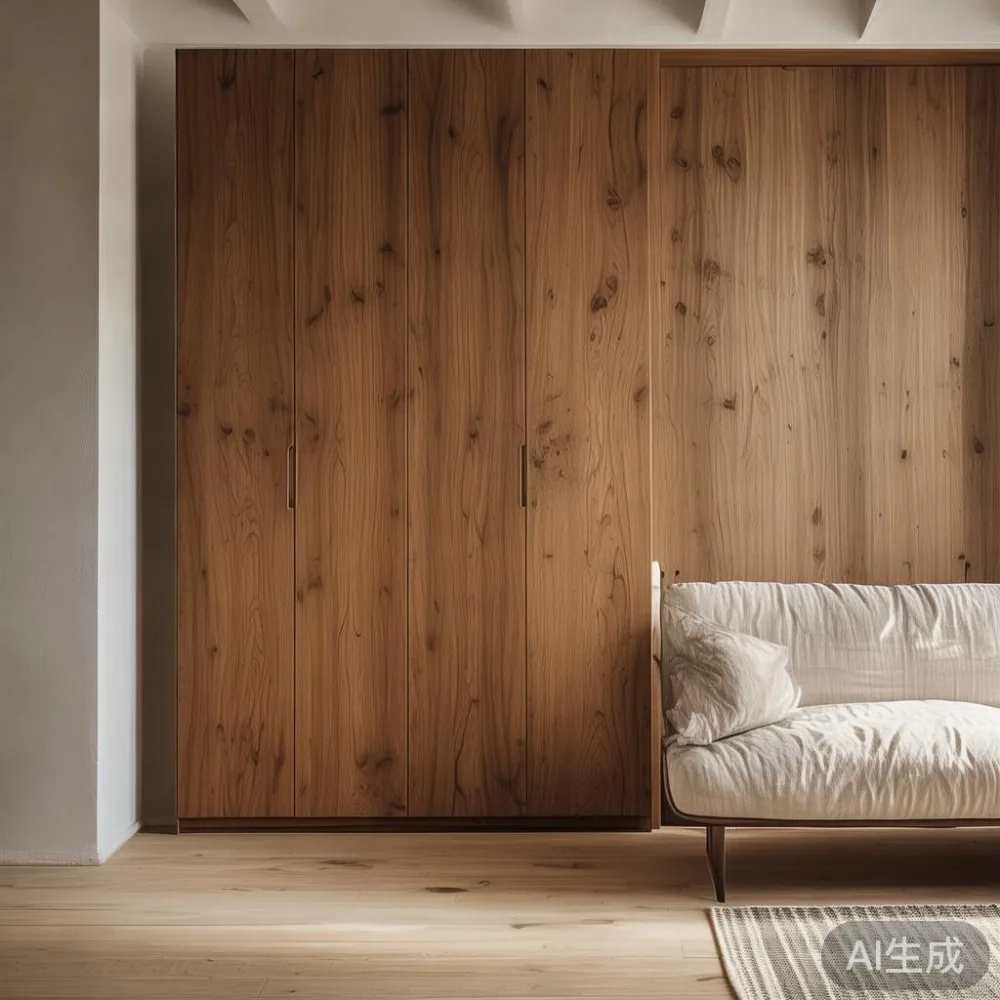
I have been specifying solid wood pieces for local homes for years, and I keep coming back to the same conclusion. A warm minimal room is built from three or four pieces of well-made furniture, each one solid, each one chosen with the wall colour and floor tone in mind. Everything else is quiet. Below is a 1500-word guide, written for Singapore readers, covering what to buy, what to avoid, how to plan a wardrobe sg delivery through your HDB corridor, and how to land that elusive light-luxury feel without the heavy price tag of imported European names.
What Exactly Is A Warm Minimal Interior, And Why Does It Work So Well In Singapore?
Warm minimalism is the meeting point between Scandinavian restraint, Japanese craft discipline, and a softer, earthier palette. The walls are warm white (Dulux 30YY 83/026 or Jotun Sensitive White are two reliable options), the floor is a honey-toned engineered timber or a warm oak laminate, and every furniture piece is solid wood with a visible grain. Contrast is kept low. Metals are brushed brass or blackened steel, not polished chrome. Textiles are linen, cotton, or boucle. Nothing is glossy.
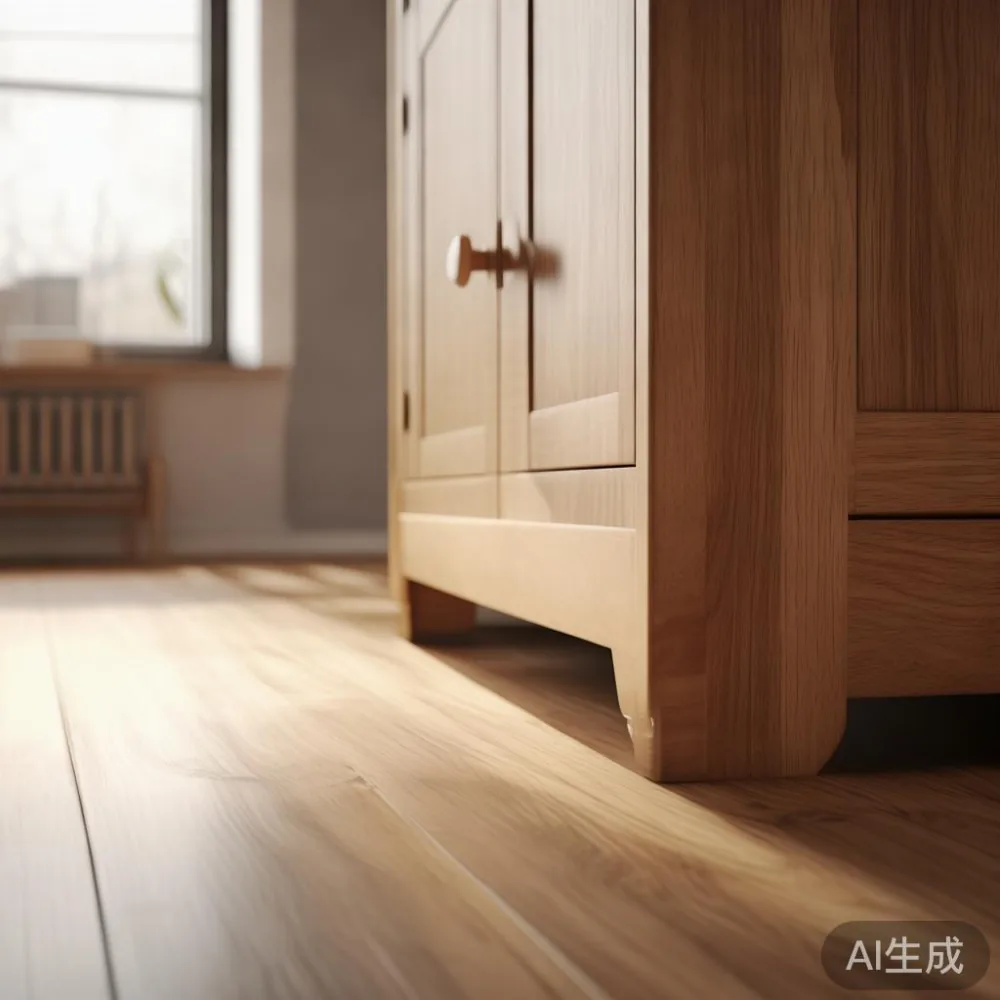
This works in Singapore because our daylight is bright but diffused for most of the year. Direct tropical sun at noon will bleach a dark walnut within six months, but oak, ash, and white-stained ash hold their tone. Warm minimalism also flatters HDB proportions. A typical 4-room BTO living room is 3.2 m wide by 4.1 m deep, which is in effect a 13 m² rectangle once you deduct 60 cm of walkway. A single solid wood sofa (around 220 cm long by 95 cm deep) can anchor the room without crowding it. Add a 130 cm solid wood coffee table, one armchair, and you still have 90 cm of walkway behind the sofa, which is enough for two adults to pass each other carrying laundry baskets.
The Core Furniture List: Five Pieces That Carry The Whole Room
When I visit a new client home, I draw the same five-piece floor plan nine times out of ten. These are the pieces that earn their footprint in a warm minimal room, and each one should be solid wood unless you have a very specific reason to compromise.
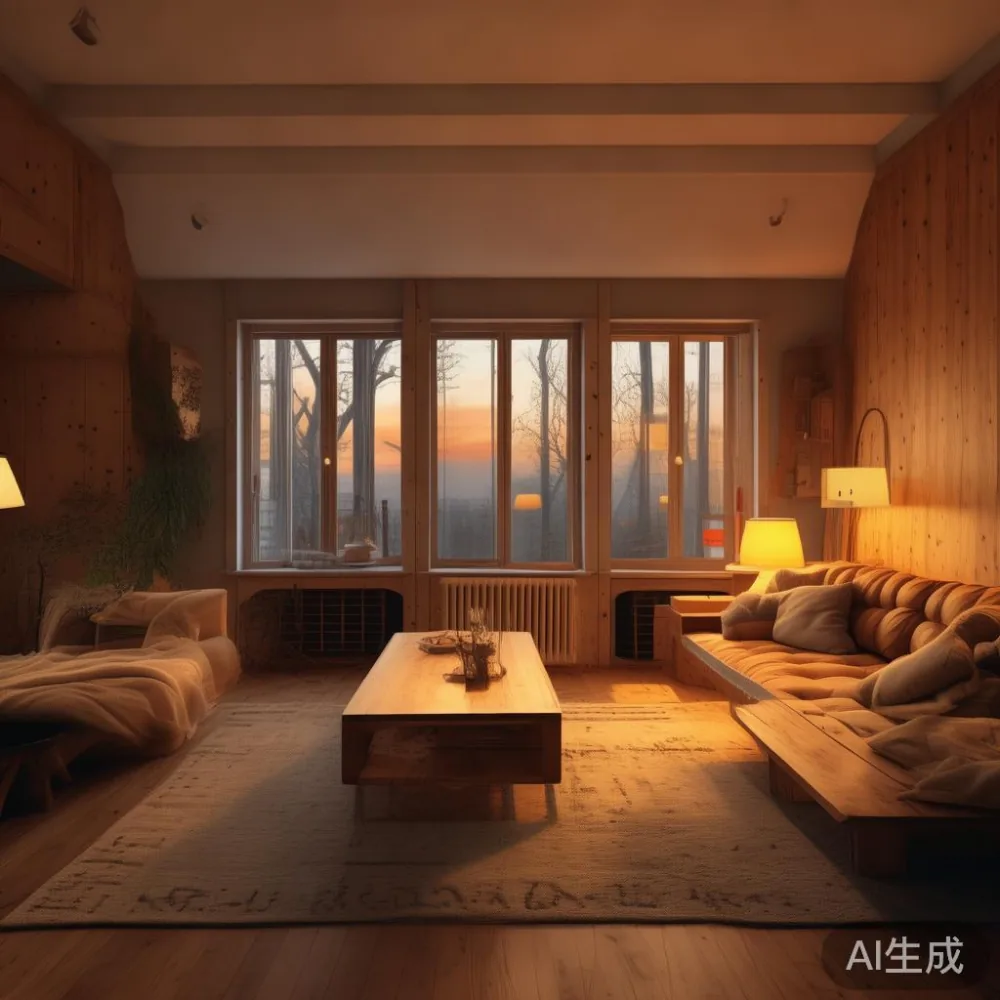
1. The sofa. Choose a solid wood sofa frame in white oak or ash with a 100% linen or cotton-velvet cover in oatmeal, sand, or a faded terracotta. A 3-seater at 210-230 cm long fits a standard HDB living room; a 2-seater at 170-180 cm is better for a 3-room flat. Seat height around 44-46 cm works with most local dining and coffee table heights, so you avoid that lounge-cafe mismatched look.
2. The bed frame. A platform bed frame in solid ash with a low headboard (90-100 cm tall) keeps the bedroom visually quiet. King size at 180 x 200 cm needs a minimum wall length of 220 cm to leave 60 cm of walkway on one side and 80 cm on the other. If you are hunting for the best Industrial bed for 2026, remember that industrial warmth is really about blackened steel legs, a chunky solid timber headboard, and a visible mortise-and-tenon or bolted joinery. Keep the metal thin (25 mm square tubing) or it stops being minimal.
3. The dining table. A 160 x 80 cm solid wood dining table seats six comfortably at a Singapore HDB, and a 140 x 75 cm seats four. Top thickness of 3.5-4 cm reads as substantial without being heavy. Round tables at 120 cm diameter are kinder in tight dining corners and let four people sit without knees clashing.
4. The wardrobe. This is the centrepiece of a Singapore bedroom, and the wardrobe sg category has matured a lot in the last three years. A floor-to-ceiling solid wood wardrobe at 240 cm height uses the full HDB ceiling and removes the 30 cm dust-trap gap that stock laminates leave behind. Internal layouts worth specifying: two hanging zones (long and short), three drawers, and two open shelves. Door fronts in plain-sawn white oak with vertical fluting or a quiet shaker profile keep the room warm.
5. The nightstand. A small 45 x 40 x 50 cm solid wood nightstand with one drawer is more useful than an open shelf because it hides cables and books. Pair it with a ceramic or stoneware lamp base in a warm beige, and a linen shade.
Light-Luxury Positioning: French, American, And Post-Modern, Without The Heft
Light luxury has been overused in Singapore marketing, so let me reset the definition. French light luxury in furniture is really about curved silhouettes, tapered cabriole legs softened into slimmer forms, brass-tipped hardware, and very pale fabrics. American light luxury is more linear, more architectural, often with channel-tufted upholstery and walnut tones. The two styles converge on three rules: solid wood frames, natural fabrics, and visible craft. Post-modern light luxury adds a single sculptural accent, such as a fluted marble side table or a curved velvet chair, against an otherwise quiet backdrop.
I tested this approach last month at a 92 m² Punggol condo I was helping a young couple style. We kept the room to four solid wood pieces (sofa, dining table, bed frame, wardrobe) and added one accent, a 55 cm round marble table in Carrara white as the bedside reading surface. The total visual weight felt higher than the price suggested, which is exactly what you want from light luxury. The marble read as investment, the solid wood read as craft, and the empty walls did the heavy lifting.
If you are researching under 2000 Japandi furniture or under 2000 Nordic furniture, the same principle applies. Spend the budget on one or two solid wood pieces and let the supporting pieces be simpler. A 140 cm solid ash dining table at S$1,480 will outlast three particleboard replacements, and it photographs far better in resale listings.
How Do You Get A Cohesive Look When Each Piece Comes From A Different Collection?
This is the question I get most often from buyers in Tampines and Bedok who have assembled their home over several years. The answer is the three-layer method.
Layer one is the wood tone. Pick one tone (oak, ash, or walnut) and stay within two shades of it. If you buy a sofa in light ash, your dining table should be light ash or a very light white oak. A dark walnut bed frame in the same room will look like a different apartment walked in.
Layer two is the metal finish. Decide on brushed brass, blackened steel, or polished nickel, then repeat it on handles, lamp bases, and frame accents. Mixing metals is the amateur move that makes a curated room read as a catalogue sample.
Layer three is the textile palette. Two main fabrics, two accent fabrics. In the Punggol condo we used oatmeal linen on the sofa, ivory boucle on the dining bench, and a single rust-coloured velvet cushion as the accent. That is it. No fourth colour.
When you follow this method, a piece of Foshan furniture in solid ash will sit comfortably next to a European sofa, and the room will not feel pieced together. Solid wood forgives a lot of styling mistakes because the grain itself is the pattern.
How Do You Match A Wardrobe sg Delivery To A Singapore HDB Corridor And Lift?
Practical furniture from this region, including pieces shipped directly from manufacturers in southern China, often arrives fully assembled. This is a quality signal, but it also means you need to check clearances. Standard HDB corridor widths in newer BTOs are 1.2 to 1.5 m, with lift cars around 1.1 m wide by 1.4 m deep and doors at 80 to 90 cm. A 240 cm tall wardrobe that is 180 cm wide will not fit a lift as a single piece in many blocks, even tilted.
Reputable suppliers will flat-pack or split large wardrobes into two or three modules for free, and re-assemble them in your bedroom. Ask before you buy. The wardrobe sg market in Singapore has standardised on three module widths: 60 cm, 80 cm, and 100 cm, each 240 cm tall and 60 cm deep. Two 100 cm modules plus one 60 cm module gives you 260 cm of wardrobe, which fills a typical 3 m bedroom wall cleanly with 20 cm of breathing room on each side. MIDHILL ships in this exact module system, which is one of the reasons their pieces survive the Bedok-to-Tampines corridor journey without damage.
For lift-only access (no lift in this condo block, especially some older walk-ups in Tiong Bahru or Geylang), confirm the stairwell turning radius. A wardrobe module at 60 cm deep and 240 cm tall will usually work through a 90-degree stair landing if the corridor is at least 1.1 m wide. Anything larger needs a crane, which adds roughly S$280 to S$450 per hour.
Real Cost Numbers For A Singapore Warm Minimal Bedroom And Living Room
Let me give you a worked example for a 4-room BTO. Prices include GST at 9% and assume free shipping above US$350 (about S$480).
Living room: solid wood sofa 220 cm at S$2,180, solid ash coffee table 130 x 65 cm at S$720, one linen armchair at S$980, marble side table 55 cm at S$480. Total around S$4,360.
Dining room: 160 x 80 cm solid ash table at S$1,480, four linen dining chairs at S$260 each (S$1,040). Total S$2,520.
Bedroom: king-size solid ash platform bed frame at S$1,780, two solid wood nightstands at S$420 each (S$840), 260 cm wardrobe in three modules at S$2,980. Total S$5,600.
Grand total around S$12,480 for five main pieces, all solid wood, all sized to HDB proportions. Compare that to S$18,000 to S$25,000 for a similar set from European or American light-luxury retailers, and the value gap is clear. MIDHILL's 10-year structural warranty and lifetime refinishing service are the kind of after-sale terms that justify the spend. If you scratch the dining table in year three, you can ship it back for a S$180 refinish rather than replacing the table.
What Mistakes Do Singapore Buyers Most Often Make With Warm Minimal Furniture?
Three mistakes come up over and over.
Mistake one is buying a dark walnut bed frame for a small bedroom. Dark wood plus low ceiling plus warm LED lighting makes a 12 m² room feel like a hotel room in Helsinki. Stick to light ash, white oak, or a pale-stained beech in compact rooms.
Mistake two is mixing too many wood tones. Two tones maximum, ideally one main tone and one supporting tone that is one shade darker or lighter.
Mistake three is ignoring the corridor delivery. A wardrobe sg purchase that does not fit the lift is a S$400 to S$700 mistake once crane charges are added. Always check the module width against your lift door width before paying the deposit. If you are choosing furniture for a Japanese for guest room layout, keep the wardrobe under 200 cm tall so it does not dominate the tatami-edged platform.
A fourth, less common mistake is treating warm minimal as an excuse to be sparse. Minimal is not empty. A warm minimal room has texture (linen, boucle, raw timber grain), one sculptural accent, and three or four well-made pieces. That is the difference between a calm room and a half-furnished showroom.
Mid-Century Modern For Office, And How It Relates To Warm Minimal At Home
Several of my clients in Punggol work from home at least three days a week, and they ask whether the home pieces will clash with a mid-century modern for office desk. The answer is usually no, because the lines overlap. A 1960s teak desk in light walnut pairs cleanly with a solid ash dining table, and an Eames-style chair in tan leather reads as warm against white walls. The trick is to keep the legs visible (tapered, 35-45 cm clearance underneath) and the tops uncluttered. One lamp, one plant, one closed laptop stand.
If you want a single piece of guidance to take away, here it is. Warm minimal is a wood-tone and textile decision first, a furniture-shape decision second, and a brand decision last. Once you decide on light ash solid wood, oatmeal linen, and brushed brass, every later purchase becomes simple because you already know whether it belongs in the room. A solid wood sofa at S$2,180 from a direct-from-factory source will outperform a S$4,200 branded sofa if the materials and proportions are right. The warranty, the refinishing service, and the delivery terms matter as much as the headline price, because a wardrobe you cannot return is not a saving.