Proper Care for Lacquered Wardrobes in Singapore's Climate
A lacquered wardrobe can look calm and precise in a Singapore home: clean slab doors, softly reflective edges, and storage that makes a compact bedroom feel more ordered. The finish, however, sits in a demanding environment. Humidity, salt-laden air near the coast, air-conditioning, dust, and repeated hand contact can leave marks or dull the sheen over time. Good care is less about complicated products and more about a repeatable routine.
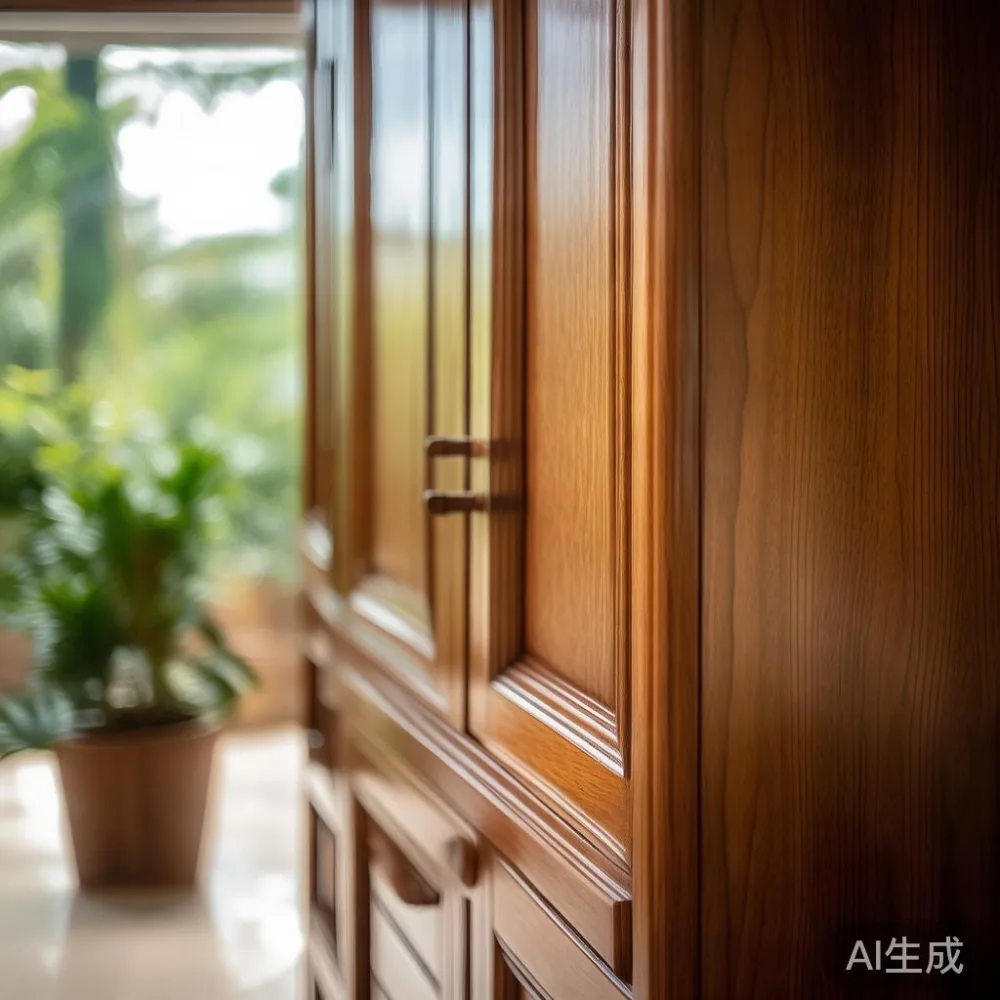
This guide explains how to maintain lacquer on a solid wood wardrobe in local conditions, from HDB flats in Tampines or Bedok to newer condos in Punggol. It also considers the narrow lift and corridor dimensions common around Singapore housing developments. For readers comparing pieces, the same discipline applies to a lacquered nightstand, dining table, bed frame, or marble table, although each material needs a slightly different approach.
MIDHILL makes solid wood furniture with a 10-year structural warranty and lifetime refinishing. Those details matter for a high-use wardrobe, but the finish still needs sensible care. Free delivery over US$350 is shown in international trade pricing; Singapore purchases should request a local SGD quotation so GST and delivery can be stated clearly.
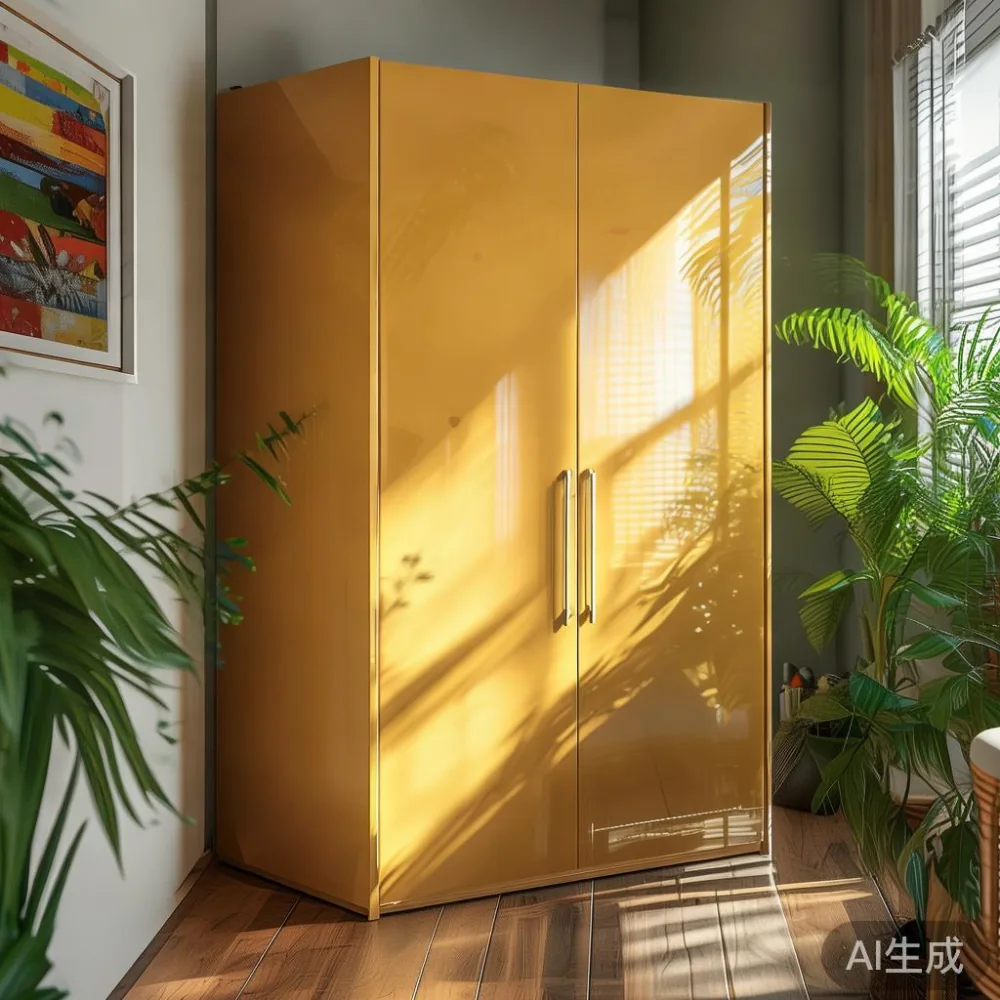
Does Singapore humidity damage lacquered wardrobe doors?
Yes, sustained humidity and condensation can affect lacquered surfaces. Lacquer is generally more resistant to a brief damp wipe than untreated raw wood, but moisture can still enter fine scratches, soften adhesive lines around panels, or create a cloudy appearance after prolonged exposure. A wardrobe in a ground-floor Bedok unit, for example, may see more dampness than one in a high-floor Tampines condo.
Singapore’s relative humidity often changes through the day. Outdoor air may enter during the monsoon periods, while tightly cooled rooms can develop condensation on vents and nearby walls. Aim for roughly 40–70% indoor relative humidity where practical. A basic hygrometer costing S$18–S$35 is enough to check a bedroom or dressing corner. Place it at wardrobe height, not on the floor, and record readings in the morning and evening for 7 days.
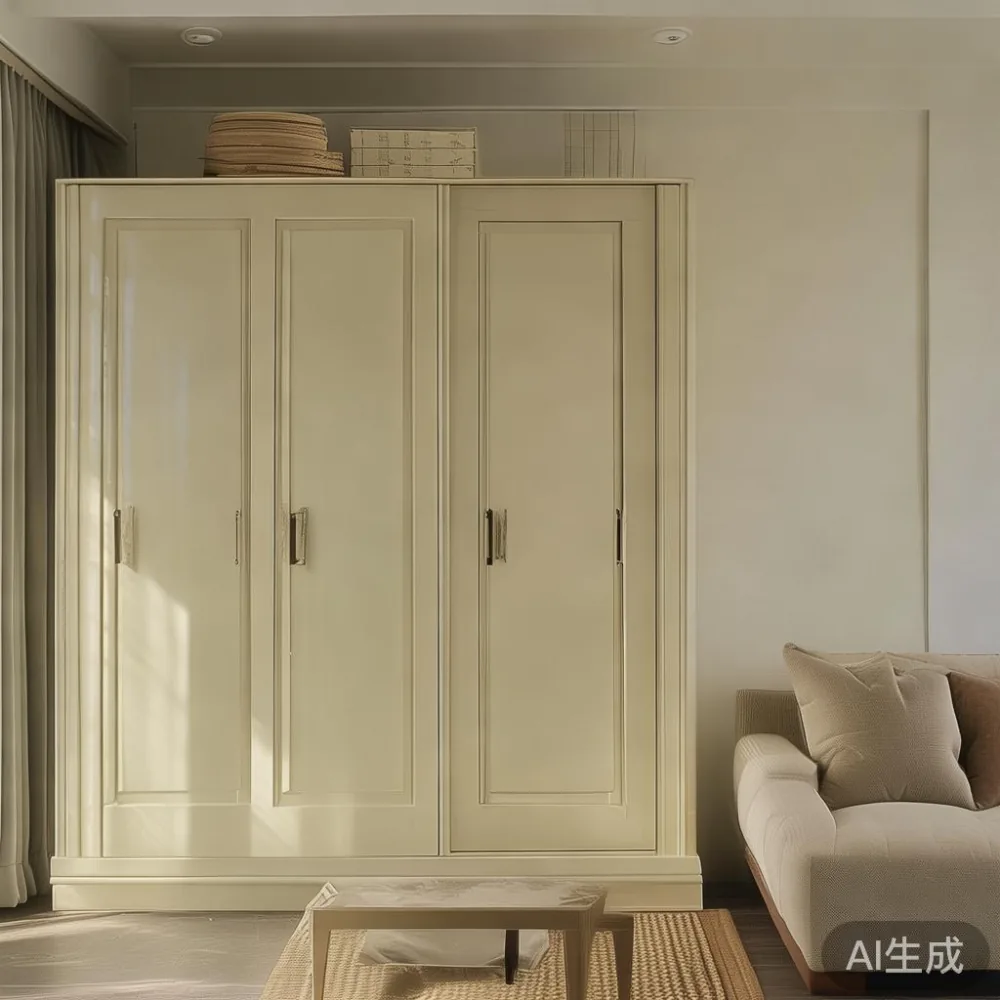
Do not wait until the door feels damp. A wardrobe sg buyer should inspect the perimeter, handle bases, top panels, and internal hanging rails twice each year. Use a clean cotton cloth to lift dust from a 30 cm section, then examine the finish under daylight. Any lifting, bubbling, or persistent haze should be addressed before moving more clothing into the affected area.
Keep hot items away from lacquer. Hairdryers, heated towel rails, and irons should remain at least 30 cm away. Direct sun can fade pigments and raise surface temperature, so blinds or curtains are useful for east-facing bedrooms in Tampines and Punggol. Air-conditioning helps during wet weather, but set it to around 24–26°C and avoid blowing cold air continuously onto the doors.
What is the safest way to clean a lacquered wardrobe?
Start with dry, gentle cleaning. Use a microfibre cloth with light pressure for 2 minutes over a small area. Vacuum the wardrobe interior with a brush attachment and empty the dust container every 5–7 days. Around handles, pay attention to oils from skin, which can attract dust and leave a slightly sticky patch after several weeks.
For a marked area, dampen a fresh microfibre cloth with plain water. The cloth should be barely damp, not dripping. Wipe once, then use a second dry cloth to remove moisture. A pH-neutral surface cleaner designed for lacquer can be diluted according to its label; avoid household bleach, ammonia, acidic glass cleaners, and alcohol-based sprays unless the finish manufacturer specifically approves them.
Test an inconspicuous area near the bottom inside edge for 24 hours before cleaning the full door. If the patch becomes dull or tacky, stop using the product. In practice, 80–90% of routine care comes from a dry cloth, careful handwashing, and controlled indoor humidity. More aggressive chemicals create more risk than they remove.
Never use a scouring pad, wire brush, rough sponge, or household wipe. Grit dragged across lacquer can create fine scratches that catch light. If grit is visible, lift it with a damp cloth first rather than rubbing it across the panel. Keep cleaning solutions off the floor and away from the wardrobe plinth, where moisture can collect behind the doors.
How often should lacquer be polished, and what products should I use?
Polishing is occasional maintenance, not a weekly ritual. For a wardrobe in normal household use, apply a compatible lacquer care product every 6–12 months. A heavily handled wardrobe near a primary bathroom or corridor may need attention every 6 months; a low-touch guest-room wardrobe may need only annual care.
Choose a product labelled for lacquered wood or lacquered veneer, and confirm compatibility with the supplier before use. Apply only 3–5 ml to a clean microfibre pad for a section roughly 30 × 30 cm. Work in the direction of the grain, then allow the area to haze for the stated drying period before buffing. A typical product may require 10–20 minutes, but the label takes priority.
Avoid waxes unless the lacquer system specifically accepts them. Some waxes create a yellowed layer that is difficult to remove and can make dark finishes look uneven. Do not use shoe polish, furniture cream, car wax, or cooking oil. Those shortcuts may improve the look for a few days but can trap moisture or contaminate the surface.
For a French light luxury or American light luxury interior, restrained maintenance supports the intended finish. Test every product on a hidden 10 × 10 cm area and wait 72 hours. In a shared condo corridor with heavy foot traffic, keep the treatment inside the wardrobe so the doors are not exposed to airborne dust while the finish settles.
How should I move a wardrobe through a lift and corridor?
Measure before delivery day. Record the lift door width, lift car depth, corridor width, turning points, and the route from the loading area. Singapore lift openings are often about 900–1,100 mm wide, while an internal car may be only around 1,100–1,500 mm deep. A flat-packed wardrobe can fit where a rigid assembled unit cannot, so confirm the packing dimensions rather than guessing.
For large wardrobes, professional movers commonly charge S$120–S$350 for a standard HDB unit, depending on distance, stairs, and the number of panels. Confirm the total before work starts, including GST where applicable. Ask whether the quotation includes delivery, placement, unpacking, and removal of packaging. A wardrobe sg project should have dimensions approved before production or shipment.
Protect the finish during movement. Wrap each lacquered panel with a clean moving blanket and add cardboard of 3–5 mm thickness. Do not tape directly onto the lacquer. Lift by the frame or base rather than pulling on a handle or door edge. Use 2–4 people for panels over 25 kg, and keep panels upright unless the maker’s instructions state otherwise.
Allow the lacquer to acclimatise for 24–48 hours after delivery. In an air-conditioned room, keep the wardrobe 15–30 cm from the wall where ventilation is available, especially during the first 7 days. Avoid closing the doors tightly while residual moisture dissipates.
Can scratches and small marks be repaired without replacing the doors?
Small marks can often be managed, but the correct method depends on the damage. First determine whether the lacquer is solid, sprayed, or a thin layer over veneer. Test with the edge of a clean coin only on an inconspicuous point; a scratch that catches a fingernail may extend beyond the surface and need professional attention.
For a shallow scuff, use a soft cloth with a lacquer-compatible cleaner and follow the product’s instructions. For a tiny chip exposing pale wood, an experienced refinisher may use a matched lacquer system. Colour-matching by eye alone can produce a visible patch under a bedroom’s angled lighting. Photograph the area with a ruler for scale, then provide the sample to the repairer and allow 3–7 days for assessment and drying.
Do not sand the whole panel to deal with a 5 mm mark. A 180-grit sheet may sound mild, yet it can flatten a sprayed edge or leave swirl marks across a 60 × 120 cm door. Use a qualified specialist for deep scratches, lifting lacquer, water stains, or impact marks.
MIDHILL offers lifetime refinishing, which provides a clear route for eligible products and damage covered by the service terms. It is not a promise that every accidental mark can disappear without replacement. Obtain the care instructions and warranty conditions in writing, and schedule an inspection before visible damage reaches the handle zone or exposed edge.
How do I prevent mould, odour, and moisture inside the wardrobe?
Good airflow matters more than a strong fragrance. Empty the wardrobe every 4–6 weeks, vacuum the base, and wipe dry any condensation around the back panel. Leave the doors open for 15–30 minutes after showering or wet-weather walks, provided the room is ventilated. Use charcoal or bamboo charcoal bags in humid areas, replacing or reactivating them according to the maker’s directions.
Do not use lavender sachets, camphor blocks, or scented dehumidifiers directly against lacquered surfaces. Their oils can settle in scratches, and their odour may persist inside clothing. A small electronic dehumidifier is preferable in a persistently damp wardrobe; budget roughly S$180–S$450 for a unit suitable for a bedroom, depending on capacity.
Store folded clothing on clean shelves and leave a 5 cm gap behind hanging garments. Avoid damp towels and wet swimwear in a closed wardrobe. Dry them near an exhaust fan first. Check the back panel twice each year for algae-like spotting or musty odours. If moisture is present, improve ventilation and address the source rather than covering the area with another layer of polish.
Is an American light luxury wardrobe suitable for a compact Singapore bedroom?
It can be, provided the dimensions and internal organisation suit the room. A large statement wardrobe may overwhelm a compact HDB bedroom, while a 120–150 cm wide unit can provide useful hanging space without consuming the full wall. French light luxury styling often uses curved profiles and decorative moulding, while American light luxury tends toward generous proportions and clean symmetry.
For style references, a search for the best Scandinavian sofa for 2026 is useful when choosing a bench for a dressing corner, although the wardrobe remains the focus. A solid wood sofa or solid wood bed frame should not be wedged tightly against a lacquered door; leave at least 10 cm for airflow and movement. For a compact room, a nightstand with 2 drawers and a width of 40–50 cm may be more practical than a bulky cabinet.
Material matching can be subtle. A marble table introduces a cool, mineral surface, so pair it with restrained wardrobe hardware rather than competing patterns. A dining table may share the same wood tone elsewhere in the home. Questions such as how to style French provincial sofa in bedroom and light luxury bed vs Nordic bed can help with broader visual planning, but dimensions should be settled before finish decisions are made.
A Modern light luxury bed with a low profile works well in a condo bedroom if the wardrobe has minimal handles. For a more tailored room, consider solid wood nightstands with closed storage. A practical wardrobe interior might include 1 hanging zone, 3 shelves, 1 drawer, and 2 double hanging rails, all positioned to keep frequently used pieces away from damp rear corners.
What should I include in a wardrobe care schedule?
A simple schedule keeps lacquer consistent without turning maintenance into a major project. Record dates and products used, especially if several cleaners have been tried. This prevents repeated use of unsuitable chemicals and gives a refinisher useful information if damage develops.
Daily: touch up one handle area with a dry cloth if needed, and avoid placing damp items against the doors.
Weekly: vacuum the interior and check the bottom edge for dust or moisture. Allow 15 minutes of airflow after humid weather.
Every 3 months: check humidity near the wardrobe with an S$18–S$35 hygrometer and inspect hinges, runners, seals, and the back panel.
Every 6 months: clean the exterior with a damp cloth, test a high-touch area, and check whether polish is needed.
Every 12 months: review scratches, sunlight exposure, seal condition, and the movement of doors. A professional inspection may cost S$80–S$220 before GST, depending on location and access.
For larger design projects, wholesale Mid-century modern furniture enquiries should include wardrobe dimensions, room photographs, humidity readings, and delivery constraints. A MIDHILL coffee table may be specified alongside the wardrobe, yet it should not block ventilation or make corridor access difficult.
Finally, ask whether an American sofa worth it question applies to your room before adding seating to a tight dressing area. A compact bench may be enough, leaving at least 80 cm of clear passage and 60 cm in front of wardrobe doors. For larger homes, a solid wood sofa can anchor the room; in HDB flats, measured clearance usually matters more than scale.
Reliable lacquer care is a routine of restraint: measure the climate, use clean cloths, control moisture, test products, and move panels without scraping them. With these habits, a lacquered wardrobe can retain its crisp finish through Singapore’s heat and humidity for years of regular use.