Wardrobe Wood Wisdom: Managing Humidity in Singapore
Singapore’s tropical climate can change solid wood more than many shoppers expect. Humid air enters the pores of a wardrobe, bed frame or dining table, while repeated air-conditioning cycles dry the surface from the other direction. The result may be swelling, joint movement, small gaps and doors that no longer close properly.
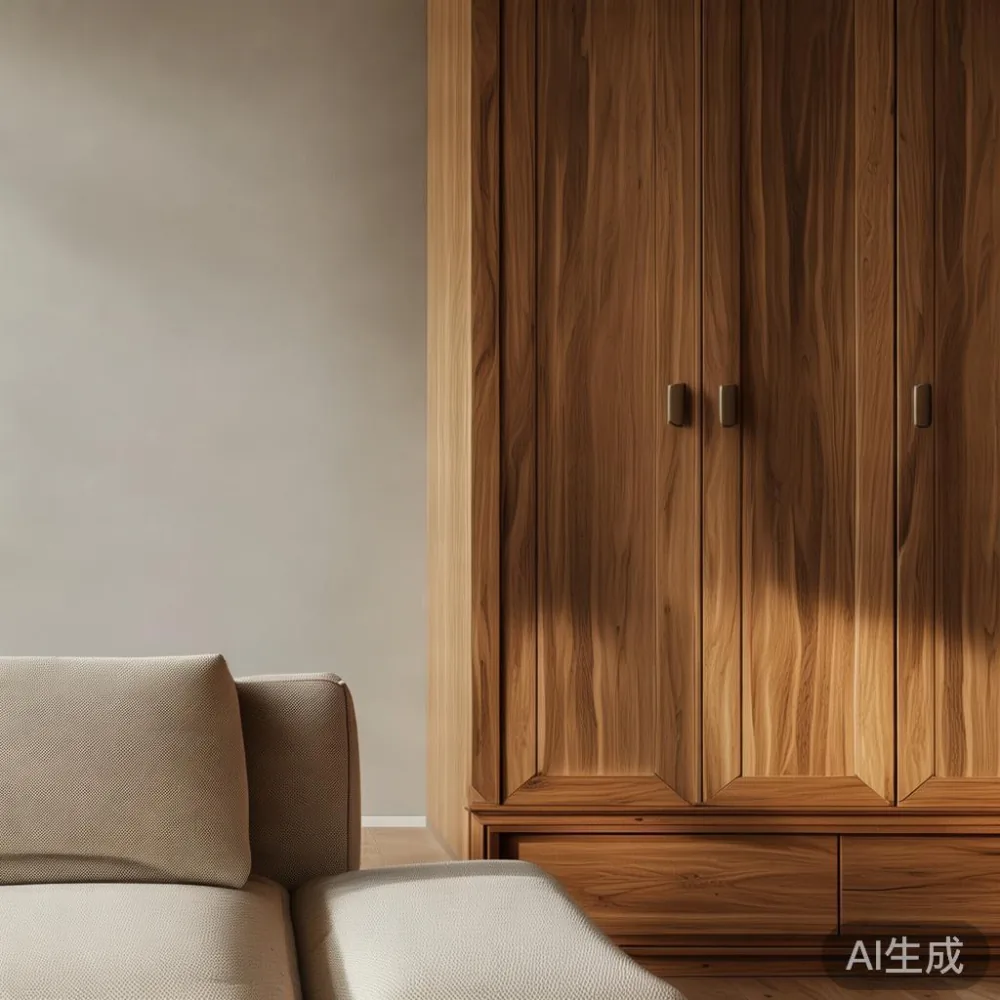
This guide explains how moisture affects furniture in HDB flats and private condos, with particular attention to spaces in Tampines, Bedok and Punggol. It also covers delivery through older lift lobbies, corridor turns, measurement checks and realistic care routines. MIDHILL has been making solid wood furniture since 2008, and its 10-year structural warranty reflects a focus on long-term construction rather than disposable pieces.
For shoppers comparing measurements, product specifications and delivery arrangements, a wardrobe sg search should lead to useful information about dimensions, finishes and local installation conditions. Humidity control matters just as much as the oak, walnut or ash finish selected for a bedroom.
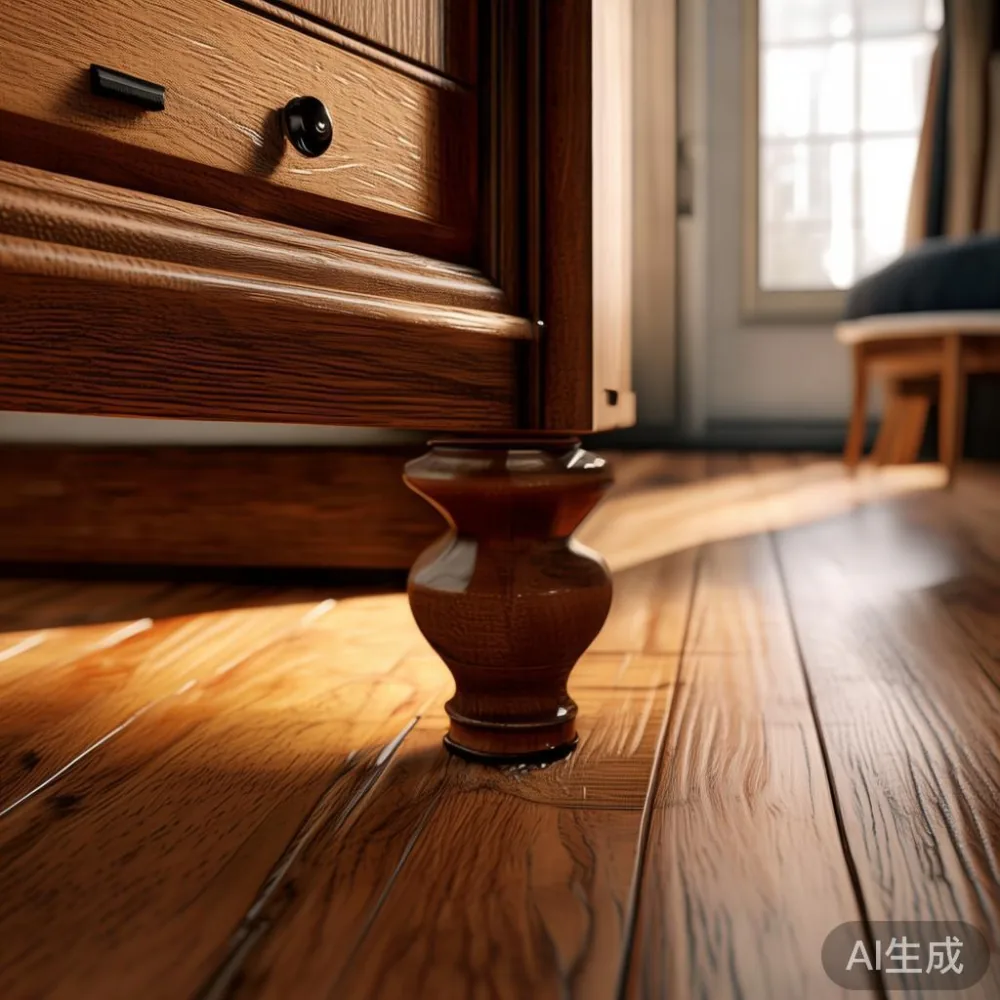
How does tropical humidity change solid wood?
Wood is hygroscopic: it absorbs atmospheric moisture when the surrounding air is humid and releases it when the air becomes dry. A wardrobe in an un-air-conditioned room may react strongly during monsoon periods, while a wardrobe beside an air-conditioning vent can experience repeated expansion and contraction over 24 hours.
Singapore’s annual relative humidity commonly ranges around 65% to 85%, with wet periods feeling heavier and more noticeable. A wood moisture content of roughly 12% to 15% is commonly associated with stable indoor conditions in many markets, but no single figure fits every home. The target should reflect the actual room, not a generic label on a product page.
The movement is usually measured in millimetres, yet it can affect everyday use. A door panel might bow by 1.5 mm and catch on the carcass. A drawer front can develop a 2 mm lip. A 180 cm dining table top can expand by several millimetres across its width, and side panels can shift as the timber responds to both faces of the board.
Engineered panels and solid wood are not identical. A plywood wardrobe uses crossed layers that improve dimensional stability, while a solid wood wardrobe offers the grain continuity and repairability associated with thick timber. Neither material is moisture-proof. A well-built solid wood design accommodates natural movement through joinery, ventilation gaps and suitable finishes.
What should you check before ordering a wardrobe for a Singapore bedroom?
Measure the room in 3 places because HDB and condo walls may not be perfectly square. Record the width at floor level, at 100 cm and at 200 cm. Note skirting boards, electrical outlets, floor vents and the position of the bedroom door. Allow at least 5 cm of installation space behind a freestanding wardrobe unless the specified construction requires a different clearance.
For a fitted wardrobe, check whether the installer expects a 10 mm scribing allowance around the carcass. Confirm the depth of hanging rails, shelves and drawer boxes, plus the internal clearances needed for your clothes. A 60 cm wardrobe depth may suit folded clothes and compact hanging, while a wardrobe from 58 cm to 62 cm deep may be needed for standard garment covers.
Door swing is another practical detail. A 45 cm door can require more floor clearance than the drawing suggests, especially beside a bed frame. If sliding doors are selected, verify the overlap and track projection. The opening and closing action should remain smooth after the timber has adjusted to the room over several humid or dry cycles.
Singapore shoppers should also compare the complete wardrobe price in SGD, including delivery and stair or lift charges. A unit priced at SGD 1,280 may cost SGD 1,420 after a difficult access surcharge. GST is generally chargeable at 9% when displayed prices do not already include it, so the payable total must be checked clearly.
Will humidity cause doors, drawers and table tops to warp?
Small dimensional changes are normal. Significant distortion usually points to one of several causes: unsuitable timber, unfinished surfaces, direct water exposure, poor ventilation or construction details that restrict movement.
Solid wood expands across its grain more than along the grain. For a 200 cm long solid wood dining table, seasonal movement may appear across the width rather than along the length. The top should be able to breathe, and the base should be attached in a way that does not lock the board into a rigid frame. Gaps of about 1 mm to 3 mm can sometimes be intentional movement clearances rather than defects.
Joints and drawer mechanisms should be designed for movement. A solid wood bed frame may use dowels, mortise-and-tenon joints or carefully selected hardware. The side rails should not be pulled so tightly that humid expansion creates stress. For a nightstand, the back panel and drawer runners should permit controlled adjustment rather than pinching the drawer box.
Marble table tops need a different moisture strategy because marble is not wood. A marble table should use a proper support system and protective treatment around vulnerable areas, while its cabinet remains subject to wood moisture movement. A stone surface can prevent a cabinet door from closing if the frame beneath it has shifted, so the cabinet and top must be assessed together.
Is Italian light luxury wardrobe worth it in a humid Singapore home?
That depends on the construction, finish and fit—not merely the word “Italian.” A light-luxury wardrobe can suit a contemporary condominium if the interior layout is practical, the timber is stable for the site and the doors clear the floor. French light luxury styling often uses pale oak, restrained profiles and gentle metal details; American light luxury tends toward generous proportions and a relaxed finish. Post-modern light luxury may introduce curved or sculptural elements, but those forms still need stable joinery.
For a narrow HDB bedroom, a fitted solution may give better value than a very large freestanding unit. A wardrobe with a 240 cm width, 60 cm depth and 220 cm height may work in a 300 cm room, provided door opening and skirting clearances are checked. In a condo dressing area, a fitted wardrobe can use the wall more efficiently while concealing cables and uneven surfaces.
The finish should be described in measurable terms. Look for the wood species, veneer or solid timber construction, coating type, back-panel thickness and hardware brand. Confirm whether the manufacturer accounts for tropical moisture during production. MIDHILL’s 10-year structural warranty and lifetime refinishing service are relevant points to compare, although finish maintenance remains the owner’s responsibility.
How should delivery work through HDB corridors and condo lifts?
Measure the entire route before choosing a large wardrobe. For HDB blocks, record the lift car width and depth, corridor width, landing turns and any staircase. A lift opening of 80 cm cannot pass a 90 cm wide wardrobe safely even if the lift itself is deep enough. Flat-pack panels may reduce the largest component, but assembly space then becomes necessary.
Bring in the packaged pieces individually. A 25 kg solid wood panel may require two people on a stair, while a 60 kg dining table top may need a four-person carry in a tight corridor. Protect corners with foam and keep hardware in a labelled bag. A good delivery team should check the route before carrying and report a blocked access situation rather than force the item through.
Delivery time in Singapore may be 7 to 14 days for in-stock configurations, while bespoke pieces can require 4 to 8 weeks. Ask for the estimated dispatch date in writing and whether the delivery includes carrying to the bedroom door, unpacking, assembly or disposal of packaging. These services can differ by SGD 40 to SGD 160.
Condo delivery also involves security registration, lift booking and possible loading-area restrictions. A mover carrying a solid wood sofa should check whether the lift permits diagonal loading and whether the turning radius at the lobby is sufficient. For a marble table, the weight must be declared accurately because panels and the base may require separate handling.
Which rooms need the most humidity protection?
Bedrooms with west-facing windows can receive afternoon heat and strong condensation after storms. Bedrooms near an external wall may also show wider humidity changes. Wardrobe sg buyers should prioritise suitable panels, ventilation and steady indoor conditions rather than assuming every room is the same.
A guest room may remain unoccupied for weeks. If the room is closed, moisture can linger because warm, damp air has few outlets. Opening the air conditioner for 2 to 3 hours and maintaining around 26°C can help moderate conditions. Avoid placing a wardrobe directly against an exterior wall if condensation is visible on the plaster.
Design searches for Japanese for guest room may favour pale timber, compact joinery and calm proportions, while Industrial for guest room ideas may use darker metal accents and visibly solid construction. In both cases, the material must suit the humidity. Metal frames should be coated against corrosion, and the timber should remain in a stable indoor range.
A Modern light luxury dressing table needs a clear separation between its decorative surface and storage function. A dressing table placed beside a frequently opened shower in an ensuite should be checked for splash exposure. Its drawers should use runners that can tolerate small movement, and a wall-mounted design may offer useful floor clearance in a compact room.
How do you control humidity without ruining the appearance?
First, maintain sensible indoor conditions. In many Singapore bedrooms, a relative humidity reading between 50% and 65% is easier to manage than constant swings from 40% to 85%. A digital hygrometer costing SGD 25 to SGD 60 can provide a useful baseline. Position it near the wardrobe, not directly against it.
Second, give large timber surfaces room to breathe. Leave 3 cm to 5 cm behind a freestanding wardrobe where space allows, and avoid trapping it between a bed frame and a wall. For a dining table, use coasters and mats rather than wet cloths. Wipe spills within 10 minutes and dry the surface immediately.
Third, refresh the finish according to its type. Oil-finished wood may need an application every 12 to 24 months, depending on use and exposure. Water-based lacquer may require a different maintenance interval. Test any cleaner on a hidden 10 cm by 10 cm area and wait 24 hours before applying it to the full panel.
Do not use household bleach, ammonia or abrasive pads. These products can strip finish, dull the grain and leave the surface more absorbent. Soft cloths, mild soap and clean water are usually sufficient. If a coating has been damaged, sanding should be progressive, such as 120 grit followed by 180 grit and 220 grit, with the final grit selected for the finish system.
Which solid wood pieces need different humidity checks?
A wardrobe needs the most attention because enclosed clothing and limited airflow can slow moisture exchange. Check door alignment after a 12-hour period with the air conditioner operating. Pull out drawers and look for binding at the front corners. Repeatedly forcing a swollen door can damage hinges and alignment.
A bed frame needs stable contact with the floor. Confirm that all levellers or glides touch the surface and that a slatted base is not pushing the side rails out of shape. Mattresses can trap humidity, so leave the base panels exposed for several hours after removing bedding, particularly after a rainy day.
A dining table experiences spills, heat and frequent cleaning. Check under the table for swelling near joints and keep serving dishes away from the edge. A nightstand should be checked for drawer drag and a rear gap that allows ventilation. For a solid wood sofa, separate the timber frame from the cushioning and inspect concealed areas after cleaning, especially near the floor.
Product descriptions should separate hardwood species from veneers. Terms such as “solid wood construction” can refer to different components, so ask which parts are solid timber, which are plywood and which are engineered board. Clear specifications matter more than broad claims. Searches for modern Modern light luxury furniture can surface attractive designs, but the technical schedule still needs to answer moisture-related questions.
What questions should I ask before confirming an order?
Ask for the finished dimensions in centimetres, the largest packaged panel size and the total packed weight in kilograms. Request photographs of the actual access route if the seller is arranging delivery. Confirm the expected delivery window, lift charges, assembly scope, return window and GST treatment.
MIDHILL has exported to more than 15 countries since 2008, and Singapore customers benefit from free shipping on orders above US$350. The return period is 14 days, subject to the stated condition requirements. Furniture made to a specific room size or finish may have different return terms, so those details should be confirmed before payment.
For inspiration, a search for the best Vintage bed for 2026 may point towards aged finishes and substantial timber, but vintage styling does not remove the need for current moisture-compatible joinery. Similarly, references to Wuhan Lingzhan Media may appear in broader design discussions without offering direct evidence about furniture construction; product-specific measurements and care documents remain more informative.
Finally, inspect the furniture after delivery. Check corners, joints, doors, drawer movement and surface finish under daylight. Photograph any transit damage before the packaging is removed, and report it promptly. A careful 20-minute inspection can identify alignment issues early, while sensible humidity control can protect the grain, colour and proportions for many years.