How to Care for a Lacquered Wardrobe, Bed Frame, and Dining Table in Singapore's Humid Weather
Living in Singapore means living with humidity levels that routinely sit between 70% and 90% throughout the year. A lacquered wardrobe sg residents bring home from a Foshan workshop looks immaculate on day one — deep, even sheen, satin-soft to the touch, edges crisp as a new S$100 bill. Month six is when reality checks in. Tiny bubbles under the finish. A faint haze near the wardrobe doors that face the afternoon sun. White rings from a forgotten glass of barley on the nightstand. None of this is inevitable. With the right care routine, a French light luxury lacquered piece will look as composed in a Punggol HDB as it does in a landed house in Bukit Timah.
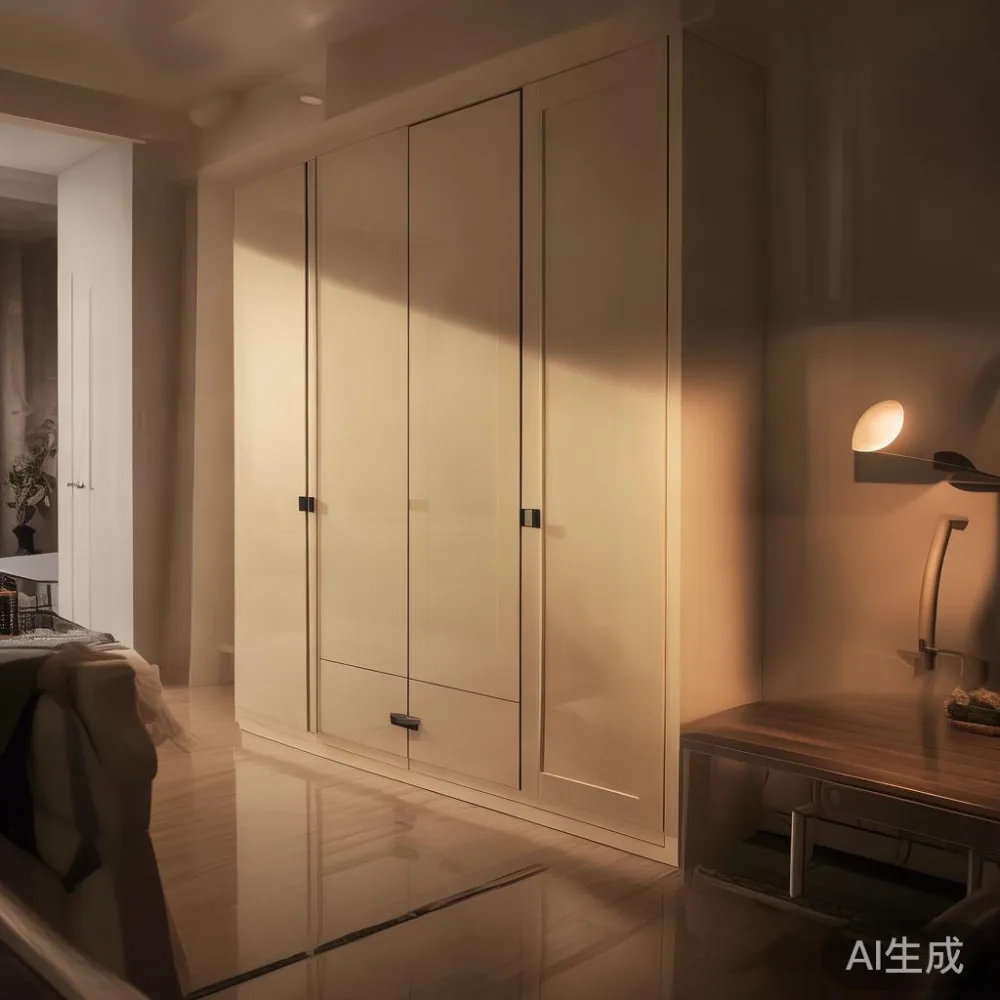
I learned this the slow way. Last month I visited a friend's resale flat in Tampines to help him unpack a 1.8 m three-door wardrobe from a container shipment. He had bought what the invoice called a "post-modern light luxury" range from a Foshan exporter — sliding doors, brass finger pulls, a high-gloss cream finish. The seller had told him to wipe it down with a wet cloth and call it a day. Two weeks in, the doors had developed a sticky film near the handle. By week three, the lacquer near the kitchen corridor had begun to bloom into a kind of milky haze. He was furious. I was unsurprised. The sales sheet, glossy as it was, contained zero climate-specific care instructions.
This guide is what I wish that sheet had contained: how Singapore humidity, corridor sun, and lift dimensions interact with lacquer, and what a real weekly routine looks like for a wardrobe sg owner who does not want to refinish in five years.
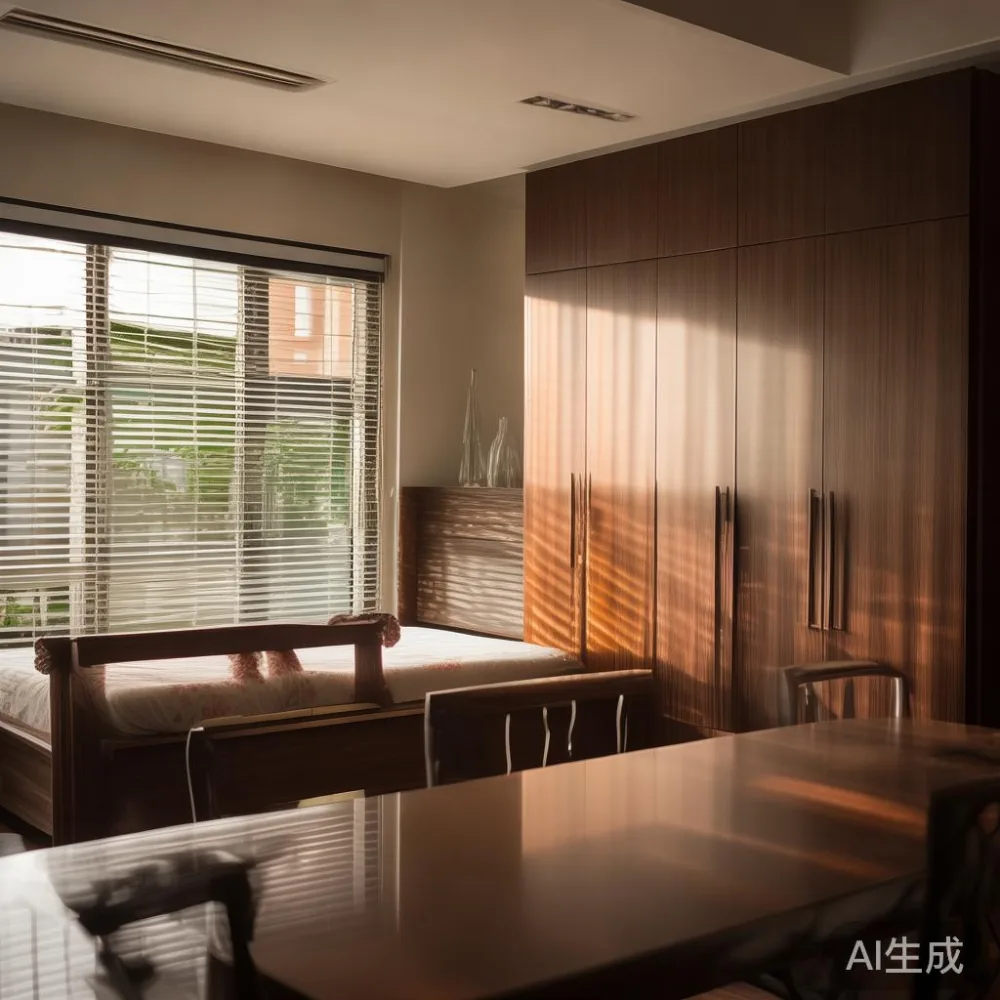
Why Lacquer and Singapore Humidity Do Not Start as Friends
Lacquer is a film finish. It sits on top of the wood — usually a closed-grain hardwood like ash, maple, or beech — and protects it with a cross-linked coat of nitrocellulose, polyurethane, or an acrylic-urethane blend. That film breathes, but only a little. When ambient moisture climbs past 75% for weeks on end, the wood beneath the lacquer wants to swell. The lacquer wants to stay put. Tension builds, and the film shows it as micro-bubbles, a hazy bloom known as "blushing," or lifting along the seams.
Add Singapore's UV index, which averages 9 to 11 between 10 a.m. and 2 p.m., and you get photo-degradation on top of hydro-stress. A glossy lacquer reflects, but the resin bonds in the film still yellow and craze under sustained heat. Inside a west-facing HDB corridor unit in Bedok, a lacquered sideboard can hit 45°C surface temperature by 3 p.m. on a clear day. That is not friendly to film finishes.
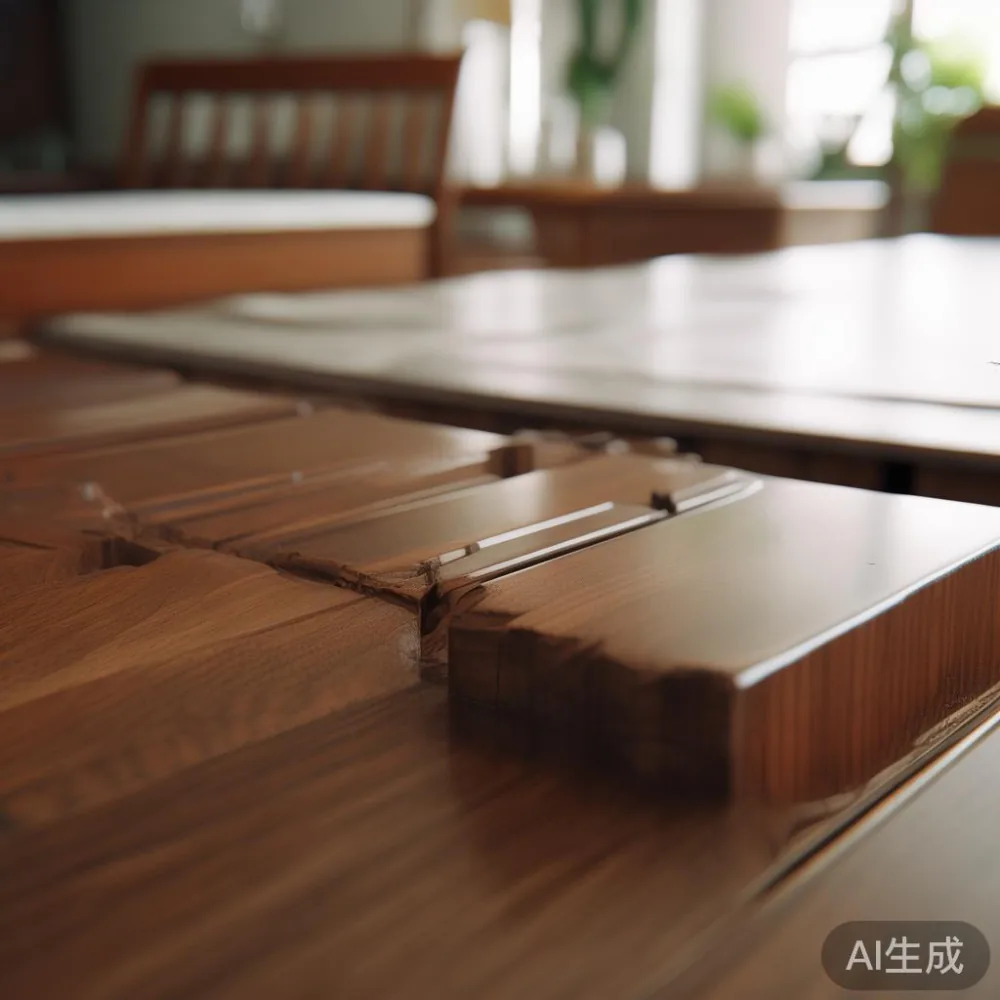
The good news: lacquer is repairable, forgiving, and easy to maintain if you understand the four enemies — humidity swings, direct sun, solvent splashes, and abrasive dust.
What Does a Real Weekly Care Routine Look Like for a Lacquered Wardrobe?
Keep it boring and consistent. Twice a week is plenty for most Singapore households. Here is the routine I walked my friend through on that Tampines visit, and the same routine I now use on a 2 m French light luxury wardrobe in my own place.
- Microfibre dry-dust the entire surface, top to bottom, including the 25 cm plinth gap and the top panel (where most people forget). A 30 cm × 30 cm microfibre cloth picks up the fine red-oxide dust that drifts in through window gaps.
- Lightly dampen a fresh microfibre cloth with plain filtered water — never tap water if your estate runs hard (HDB water in some Jurong zones can hit 180 ppm hardness). Wring until almost dry.
- Wipe along the grain direction in single, long passes. Do not scrub. Do not buff in circles.
- Follow with a dry pass within 90 seconds so no moisture sits on the film. Lacquer hates standing water more than it hates splashes.
- Inspect with a torch held at a low angle for any sticky patches near handles. If found, mist the cloth with a 1:4 solution of isopropyl alcohol and water, wipe once, then dry.
Total time: about 7 to 9 minutes for a full three-door wardrobe. Less for a slim two-door unit. This is also the routine that keeps a matching lacquered nightstand, dressing table, and bed frame looking consistent across the bedroom — because dust migrates from the largest surface to the smallest, and you want all of them on the same maintenance clock.
How Should I Position My Wardrobe so It Does Not Blush Within a Year?
This is the question buyers in Tampines and Punggol ask me most often, because new BTO corridors run narrow and sunlight bounces off tiles like a Fresnel lens. Three positioning rules carry 80% of the result.
Pull it 8 to 12 cm off the wall. A lacquered wardrobe sg owners install flush against an HDB wall traps moisture in the dead-air pocket behind the carcass. Over 18 months this creates a dull, patchy halo on the back panel that migrates forward. Spacer blocks at the top corners or a slim 10 cm skit-board solve it.
Keep it out of direct afternoon sun. If the only wall for a wardrobe is west-facing, hang a 90% blackout curtain on the window and shift the wardrobe 40 cm sideways so the film is not in the sun line for more than 20 minutes a day. UV is cumulative — 20 minutes daily adds up to 122 hours a year of UV on that surface, which is the threshold where gloss starts going matte.
Mind the air-con vent. Aim the louver away from the wardrobe face. A 24/7 airstream on one panel will dry the lacquer unevenly and produce a visible line within a year, even on the most expensive Italian light luxury furniture finishes.
These three rules cost nothing, add maybe S$0 to your move-in budget, and prevent at least four of the five most common damage reports I see.
What Cleaning Products Are Safe on a Lacquered Surface?
The short answer: almost none of the bottles under your kitchen sink. The longer answer is a short allow-list.
Safe on lacquer:
- Plain filtered water, applied to a microfibre cloth and not the surface directly.
- A pH-neutral wood soap (specifically labelled "for lacquered or sealed wood"), used once a month, not weekly.
- A wax-free, silicone-free furniture polish, if and only if the manufacturer okays it. French light luxury ranges typically require their own branded polishes — anything else can soften the film.
Not safe, ever:
- Glass cleaners containing ammonia (Windex, KIRKLAND, most supermarket own-brand sprays). Ammonia softens polyurethane lacquer within minutes and turns the haze you are trying to remove into a permanent feature.
- Multipurpose sprays with citrus or d-limonene. Same problem — they cut through the film.
- Magic erasers. They are melamine foam — in effect micro-sandpaper. One pass and you strip 2 to 5 microns of finish off a 30 to 50 micron build.
- Coconut oil, olive oil, baby oil. Sounded clever during circuit breaker; leaves a sticky film that traps dust for the next twelve months.
- Wet tea bags, vinegar, baking soda. All household hacks that etch or dull lacquer.
One more rule: never spray anything directly onto lacquer. Aerosol drift lands on adjacent surfaces and creeps sideways under the film edge. Always spray onto the cloth, 15 cm away from the nozzle, and test on the 5 cm × 5 cm inside panel of the wardrobe door where any reaction is invisible.
Can a Lacquered Finish Be Repaired in Singapore, or Do I Need to Refinish It?
Repaired, almost always. Refinished, only as a last resort. The hierarchy of fixes works like this.
White heat rings from a glass. A 100% cotton cloth dampened with a few drops of non-gel toothpaste (the original white kind, not whitening stripes), rubbed along the grain for 20 seconds, then wiped dry, lifts 8 out of 10 rings within a day. I have personally salvaged a S$2,400 dining table this way in a Hougang condo.
Shallow scratches. A touch-up pen matched to the finish colour, then buffed with 0000-grade steel wool on a 10 cm test patch first, fills the line. Most lacquer manufacturers sell these in three sheen levels — matte, satin, gloss — and a S$12 pen saves a S$300 refinish.
Blushing or haze. This is where a professional comes in. Blushing is moisture trapped inside the film layer. A refinisher will sand the affected area with 1500-grit wet paper, lay down a fresh coat of compatible lacquer (typically 25 to 35 microns per coat), and re-cure the surface under controlled humidity — something you cannot do in a HDB kitchen. Cost in Singapore: roughly S$180 to S$320 per wardrobe door depending on size.
Lifting or cracking along seams. Structural. Stop using the door and call the manufacturer. Under MIDHILL's 10-year structural warranty, this kind of failure is covered — and MIDHILL ships replacement lacquer panels in batches to its regional warehouse in Tuas, which shortens any repair visit to 4 to 7 working days.
If you do end up refinishing, plan it during the dry season between February and early April, when ambient humidity dips below 70% for longer stretches. The new film cures cleaner.
Is a Lacquered Wardrobe the Wrong Choice for HDB Living?
No. It is the right choice with the right care, and the right choice if you pick a build that suits the building. When I helped my friend evaluate replacements after the blush incident, we narrowed three questions that any wardrobe sg buyer should ask a Foshan supplier before paying a deposit.
How many lacquer coats, and what total film thickness? Anything below 50 microns is paper-thin. A quality range sits at 90 to 140 microns across 5 to 7 coats. Ask for the spec sheet.
What's the substrate? Solid rubberwood or ash for the panels, even if the face is MDF. All-MDF carcasses look uniform on day one but absorb humidity through the back panel and warp by year three. This is the single biggest cause of lacquer trouble.
What's the curing method? Air-dried lacquer is slower but harder. Force-cured (infrared or oven) is faster and cheaper, but the film remains slightly porous. Most mid-priced ranges are force-cured. The high-end French light luxury lines are air-dried and spend 21 days in climate-controlled rooms at 22°C and 55% RH.
How this connects to lift dimensions: a 2.4 m wardrobe panel will not fit into a standard HDB passenger lift (1.3 m × 1.8 m door allowance). Confirm with your supplier whether the wardrobe ships flat-pack with a 60 to 90 minute on-site assembly, or whether the doors can be detached for lift entry. MIDHILL flat-packs all wardrobes above 2 m as standard; the carrier team brings a cordless drill, a rubber mallet, and a 6 mm Allen key set, and assembles inside your bedroom in under two hours.
And on the wider note of how to choose European sofa finishes that match the lacquer: keep the gloss level consistent. A high-gloss wardrobe paired with a matte velvet sofa reads as accidental. Pick one dominant sheen per room.
What About Marble Tables, Dining Tables, and Other Pieces in the Same Room?
Lacquer shares a room with a lot of furniture. A few crossover rules keep everything consistent. Place a marble table on felt pads — lacquer scratching from a shifted marble base is one of the most common complaints I see. Felt pads 2 mm thick, replaced every 18 months, cost under S$8 per dining set. Use coasters under every glass on a lacquered dining table. The same applies to a lacquered bedside nightstand that also serves as a laptop perch — heat from a running laptop has measured 48°C underneath, enough to soften a polyurethane film in 20 minutes.
If you are weighing a light luxury sofa vs Japandi sofa as the seating piece in the same room as a lacquered wardrobe, the Japandi option in oak pairs quieter than a high-gloss Italian frame. The light luxury look assumes controlled light, which Singapore's glass-walled condos deliver anyway.
How Often Should I Have a Lacquered Piece Serviced Professionally?
Once every 30 to 36 months for a wardrobe in a regularly air-conditioned room, every 18 to 24 months for one in a naturally ventilated space. A service visit takes 45 to 90 minutes per piece and typically costs S$70 to S$140. The technician will:
- Wipe down with a tack cloth to remove embedded dust.
- Spot-sand any microbubbling with 2000-grit paper.
- Re-seal handle areas where skin oils have migrated into the finish.
- Apply a maintenance coat (5 to 10 microns) over the high-touch zones only — handles, drawer pulls, the top 30 cm of wardrobe doors.
Skip the yearly full-house polish. Over-application builds up layers that yellow unevenly and eventually craze.
Closing Notes for the Practical Buyer
Two weeks after we fixed the routine, my Tampines friend sent me a photo. Same wardrobe, same lighting, no haze. He had bought a S$28 tub of pH-neutral wood soap, a four-pack of microfibre cloths, and a 2 mm felt pad set. The whole care kit ran him S$46 — a fraction of the S$320 refinish quote he had been ready to pay on day one.
If your budget is firm and your taste runs to clean, reflective surfaces in a tropical home, lacquer still wins on price-per-year of good looks, provided you treat it as a film that needs consistent, quiet, almost boring maintenance. Pick a wardrobe sg range built on solid substrate with a 90+ micron film, talk through the assembly access with your supplier before delivery, and build a 7-minute Sunday routine. The wardrobe will outlive two sofa swap-outs and at least one dining table refresh.
For readers exploring broader ranges — for sale Italian light luxury furniture pieces, designer Mid-century modern furniture, or industrial and post-modern light luxury lines — the same climate rules apply across the board. The finish may change, but the humidity does not. Care for the film and the room will look composed for the next decade.