Price Dynamics of Solid Wood Furniture: Inside the Factors
Solid wood furniture can cost SGD 680 for a dining table or more than SGD 5,600 for a large wardrobe, yet the price tag alone says very little about the timber, construction or finish. The real drivers are usually hidden in timber grade, moisture control, joinery, hardware, surface treatment, dimensions and delivery logistics. For Singapore homes, those practical factors matter even more because HDB lifts, condo corridors, high humidity and limited storage can change both the specification and the final installed cost.

MIDHILL has made solid wood furniture since 2008 and exports to more than 15 countries. Its 10-year structural warranty and lifetime refinishing service reflect one useful principle: a solid wood piece should remain serviceable, not disposable. Even so, “solid wood” is an umbrella description rather than a complete specification. Buyers comparing wardrobe sg listings, dining tables or solid wood sofas need to compare the actual material and construction, not just the style name.
Is solid wood furniture expensive because of the timber?
Partly, but timber species is only one layer of the price. Oak, ash and other familiar hardwoods are often more affordable than walnut or teak. A solid oak dining table using 4–6 cm boards may retail around SGD 1,850–3,600, while a walnut table with selected grain and book-matched surfaces may reach SGD 3,200–6,800. The difference can reflect board yield as much as species: a wide table needs longer, straighter boards, and decorative cutting can reduce usable timber from a log.
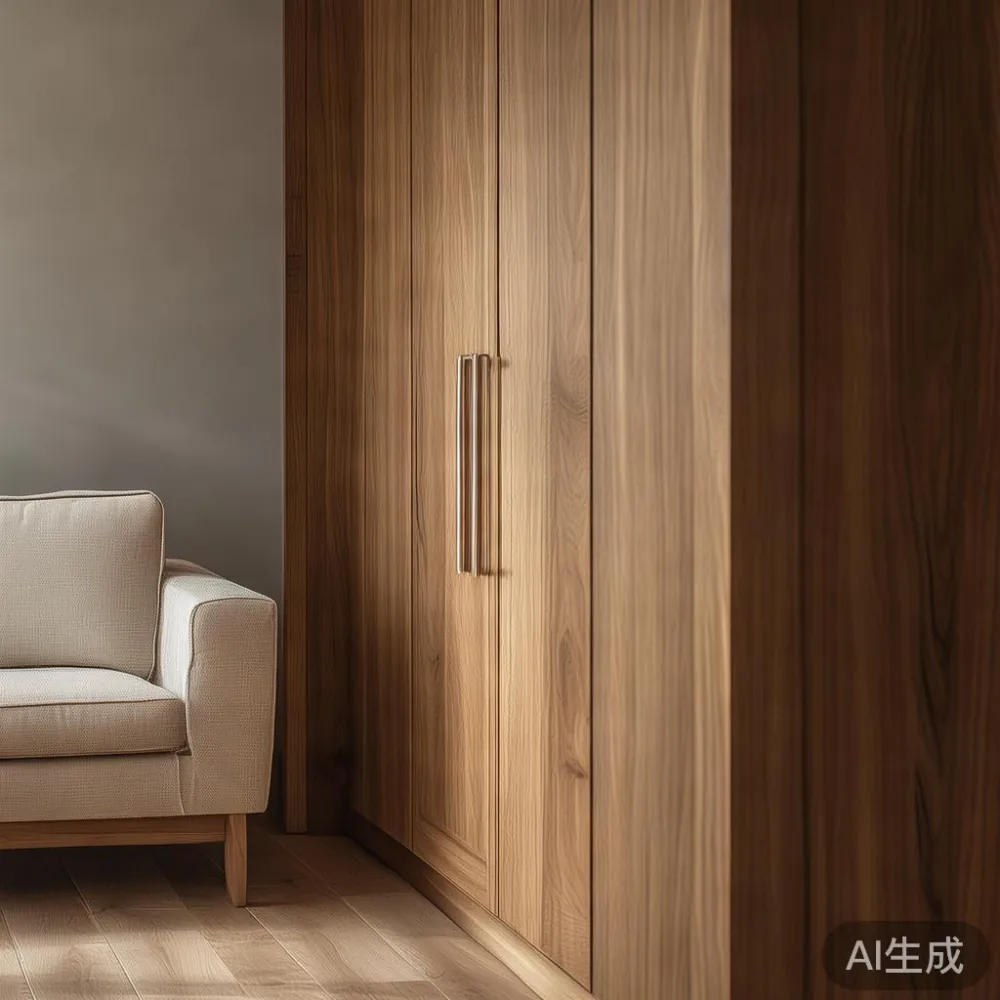
Check whether the whole visible component is solid timber. In a wardrobe, the side panels may be oak while the back is plywood, MDF or particleboard. That mixed construction can be sensible: a 9–12 mm engineered back panel may resist Singapore humidity better than a very thin solid back. A customer asking about wardrobe sg should therefore identify every material rather than assuming one label applies throughout.
Another driver is movement. Solid timber expands and contracts with humidity, so kiln moisture content should suit the local environment. A workshop that acclimatises stock for roughly 7–14 days before assembly pays attention to movement, even though no visible customer can easily measure that step. Uneven moisture can cause checking around joints, while excessive panel restraint can lead to bowing.
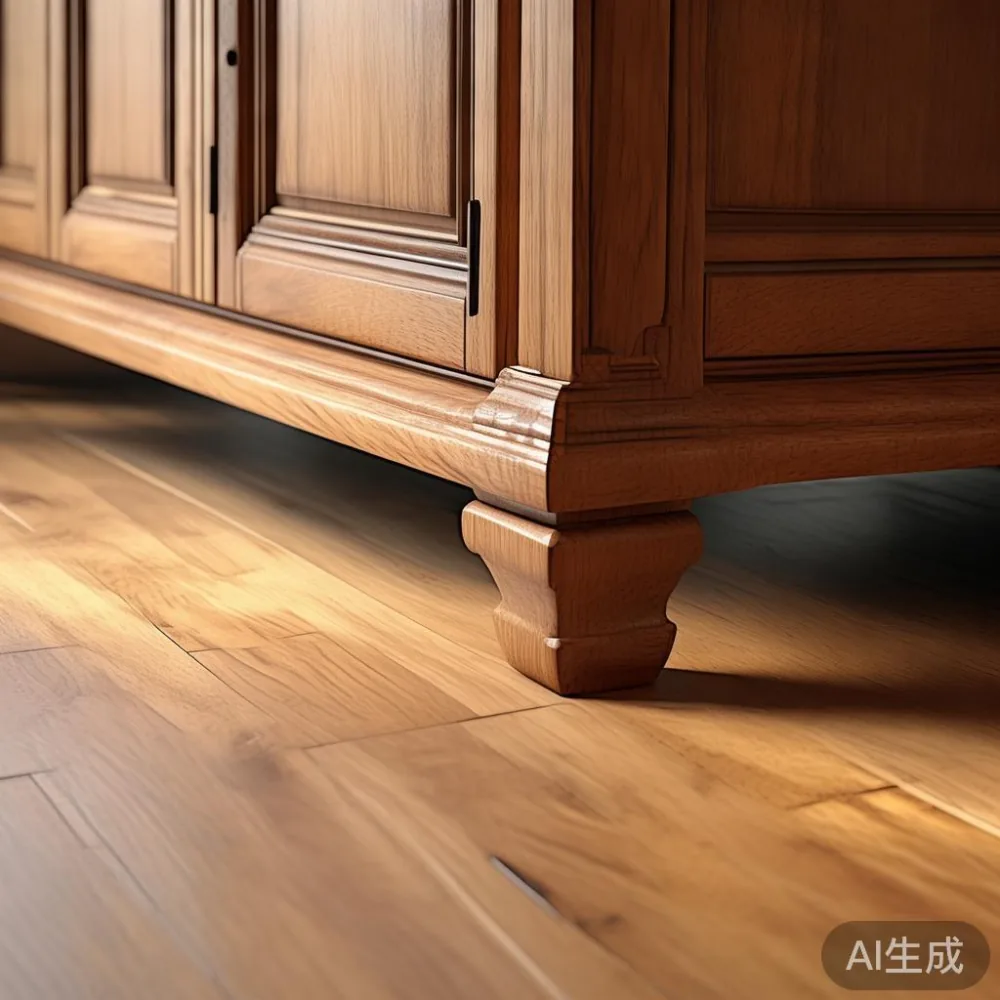
My colleague in the workshop showed me two samples of similar-looking oak last month. One weighed 18.5 kg for a 90 × 50 × 72 cm nightstand; the other weighed 23.8 kg. The heavier piece used thicker shelves, wider rails and a solid drawer bottom instead of a thin fibreboard insert. Both were “wood,” but their performance expectations were different.
What do joints, hardware and thickness change in the price?
Joinery often separates fitted furniture from loosely assembled boxes. Mortise-and-tenon, dowel, dovetail or well-designed screw joints take time, fixtures and accurate woodworking. A drawer that uses dovetail construction can cost more than one held together mainly with dowels. A wardrobe carcass may use concealed hinges, adjustable shelf pins and solid drawer components, while a budget version uses surface-mounted hinges and printed board backs.
Thickness is easy to overlook. A wardrobe side panel might be 18 mm at the front and 9 mm at the rear, while a higher-grade carcass uses 18 mm panels consistently. A bed frame may have a 30 × 40 mm side rail but a much lighter centre rail that bows when two adults sit near it. A dining table’s apron, leg section and joint determine how it behaves under a 120 kg load. Look for measured dimensions, not phrases such as “heavy duty.”
Hardware also forms part of the cost. Soft-close drawer runners with 40–50 kg load ratings, premium hinges and adjustable legs add perhaps SGD 90–650 per cabinet. Hardware is not decorative padding: a wardrobe full of doors needs alignment, access to services and a workable layout. For a bed frame, good centre support can be more valuable than a louder headboard. For a dining table, precise fastening matters because seasonal movement must not split the top.
The same principle applies to a solid wood sofa. Frame timber, webbing or suspension, foam density and upholstery labour can move the final price from SGD 1,980 to SGD 7,500. A labelled solid wood sofa can have a kiln-dried hardwood frame, though seat cushions and back cushions will still be upholstered materials rather than timber. Ask for the frame species and actual seat construction.
Why do finishes and colours make such a large price difference?
Finish is not merely a layer of brown stain. Preparation, stain tone, pore filling, sanding and coating determine colour consistency, tactile quality and durability. An open-pore oak finish with a matte clear coat is demanding because it must remove surface marks without closing the grain. A darker walnut finish can also need more corrective work because pigment must blend naturally.
Hardwax oil may offer a tactile, repairable result, but maintenance expectations must be clear. Water rings, heat marks and daily wear may need attention. A tougher factory coating can simplify busy family use but can be harder to refinish locally. A light-luxury wardrobe in French light luxury style may rely on pale, carefully selected boards and restrained hardware. Post-modern light luxury often uses warmer wood tones with simplified profiles. Neither style removes the need to inspect the finish schedule.
A marble table adds another material layer. A sintered marble or porcelain slab can be less permeable and more uniform than natural marble; natural stone can show veins and small tonal differences. The support structure must account for an 80–120 kg stone top, while a solid oak dining table has different handling needs. Do not assume marble and solid wood pricing can be compared without checking slab thickness, support, edge treatment and stone origin.
How much should a solid wood dining table or wardrobe cost?
Prices should be treated as ranges because dimensions and specifications vary. A solid oak dining table for six people, approximately 180 × 90 cm, may be around SGD 1,680–3,450. A 220–260 cm walnut or carefully matched oak table may fall between SGD 3,200 and SGD 6,900. Length drives board selection, while extra leaves, sliding rails and complex underframes add cost.
A 2-door wardrobe around 180 × 60 × 220 cm may be SGD 1,450–3,900 depending on species, internal fittings and finish. A fitted 300 cm wardrobe with drawers, hanging space, lighting and adjustable shelves may range from SGD 3,600 to SGD 8,500. These are reference bands, not universal quotes. The more useful comparison is the written specification.
For smaller pieces, a nightstand can begin around SGD 380 and reach SGD 1,250 with solid sides, dovetail drawers and premium hardware. A solid wood bed frame can range from SGD 980 for a simple platform to SGD 4,800 or more for a slatted base, thicker posts and designed details. A marble table can move from SGD 1,200 to over SGD 5,000 depending on real stone and fabrication.
Singapore buyers should also include GST. If a listed furniture price is not tax-inclusive, add 9%. A SGD 2,000 net table becomes SGD 2,180 before delivery or installation. Request one written figure that states whether GST, delivery and assembly are included.
What delivery details matter in HDB flats and condos?
Delivery can add between SGD 90 and SGD 650, but the important figure is what the service actually includes. Some suppliers deliver to the lobby; others bring goods into the unit, lift them upstairs, unpack them and remove packaging. Clarify these points before ordering. A heavy wardrobe may weigh 140–280 kg before protective packaging, and a solid oak dining table can weigh 75–130 kg. Carrying those loads through a corridor or lift is different from kerbside delivery.
HDB and condo access rules vary by block. A lift door may measure about 90 cm wide and 210 cm high, while an internal lift depth can be around 135–160 cm. A wardrobe panel wider than 90 cm will not enter vertically; turning it diagonally may work, but the ceiling, corridor corners and landing clearance still matter. Some buildings require booking a service lift or arranging mover protection in advance.
Measure door openings, bay windows, stair turns and lift dimensions. Allow at least 5–10 cm of working clearance where panels must be turned. For a dining table, check whether the route allows the top to enter in one piece. If not, a competent supplier should discuss a jointed top or another safe method rather than promising a delivery that the access cannot support.
Lead time is another price driver. A made-to-order wardrobe may take 35–60 days after artwork approval; stock pieces could be available within 7–21 days. Peak periods may extend delivery, and remote or upstairs installation can take 1–3 hours for a bed frame, 2–5 hours for a dining table and 4–8 hours for a fitted wardrobe. MIDHILL offers free shipping over US$350, but the threshold is stated in another currency, so Singapore buyers should still request a local delivery quotation rather than assume the promotion applies exactly as expected.
Is Mid-century modern sofa worth it?
“Is Mid-century modern sofa worth it” is a fair question if the buyer values proportions, tapered legs and a durable frame. It may be less suitable for a small Tampines flat if the model has deep arms, a high back or no clear route beneath it. A 210 cm sofa can occupy a large share of a 10 × 12 m living room once circulation space is included.
Style itself does not guarantee construction. Check the frame, suspension, cushion rebound and removable covers. A solid wood sofa can be visually mid-century while using a practical 85–90 cm seat depth. In Bedok or Punggol, furniture with slim arms and a raised base often suits compact rooms, but physical dimensions remain more useful than style labels.
French light luxury may pair a pale solid wood sofa with rounded arms and softer textiles. American light luxury often uses cleaner lines, generous cushions and understated detail. Post-modern light luxury may combine traditional timber references with simpler forms. These are aesthetic directions, not quality grades.
The comparison is particularly useful in the question Japanese sofa vs French provincial sofa. A Japanese approach usually emphasises compact width, floor efficiency and restrained visual weight. A French provincial sofa may offer softer curves, upholstery details and a more decorative profile. Compare total dimensions, seat comfort and frame specification rather than deciding by origin.
Apartment styling matters too. If you are searching for how to style Japanese bed in apartment, low-profile timber, linen-look bedding and controlled storage can keep a 90 × 200 cm bed visually manageable. If your interest is how to style French provincial sofa in apartment, reduce ornament elsewhere so the sofa remains intentional rather than crowded. The same logic guides how to style Japandi wardrobe in room: pale timber, simple hardware and ample negative space can work in a compact bedroom.
How can you compare two quotations without being misled?
Ask each supplier for five numbers: dimensions, solid timber species and panel thickness, frame or carcass construction, finish type, and delivered weight where relevant. Add three more facts: GST treatment, lead time, and what delivery includes. A wardrobe quotation that states “oak wardrobe, 2 doors, installed” is not comparable with one that lists the same words but omits back-panel material, drawer bottoms and hinge rating.
For a wardrobe sg purchase, photograph the room and mark the ceiling light, floor level and nearest socket. Internal fittings should follow daily use. A 40 cm hanging section may suit a 55 cm folded garment; 150 cm may suit dresses or long coats. A 220 cm high unit needs an opening strategy too. Hinges, handles and drawer clearances can matter more than decorative trim.
For a bed frame, check centre support rather than focusing only on the headboard. For a nightstand, confirm drawer interior measurements. For a dining table, ask about leaf storage, extension movement and top stability. For a marble table, verify stone thickness, edge profile and support. For a solid wood sofa, ask whether all exposed structural members are solid wood and how the upholstery will age.
Buyers often look for one miraculous answer to price. There is no single universal number, but material quality becomes clearer when specifications are comparable. A higher figure can reflect more timber, slower preparation or better hardware; a lower figure can reflect engineering, smaller components, mixed materials or less included delivery. Neither direction alone proves poor value.
MIDHILL’s 14-day returns policy gives buyers room to assess scale and comfort, while a 10-year structural warranty addresses longer-term confidence. Its lifetime refinishing service adds value only when the piece is designed for serviceability and the customer understands what maintenance is appropriate. Those policies should sit beside dimensions and construction details, not replace them.
A disciplined buying process is simple: measure the room and route, request a written specification, compare equivalent options, calculate 9% GST when needed, and confirm the installation scope. Solid wood furniture can justify a premium when the premium is visible in the board, joint, frame, finish and long-term support. That is more informative than any single “luxury” label.