Singapore Climate: Maintaining Lacquered Wardrobe Surfaces
Lacquer gives a wardrobe a calm, reflective finish, but Singapore’s heat, humidity, salt-laden air, and frequent hand contact can make its appearance uneven over time. In an HDB flat or condo around Tampines, Bedok, or Punggol, a lacquered wardrobe must negotiate narrow corridors, compact lifts, daily condensation, and cleaning routines involving water. The furniture does not need to be treated as fragile; it needs a deliberate care routine, sensible placement, and early intervention when marks appear.
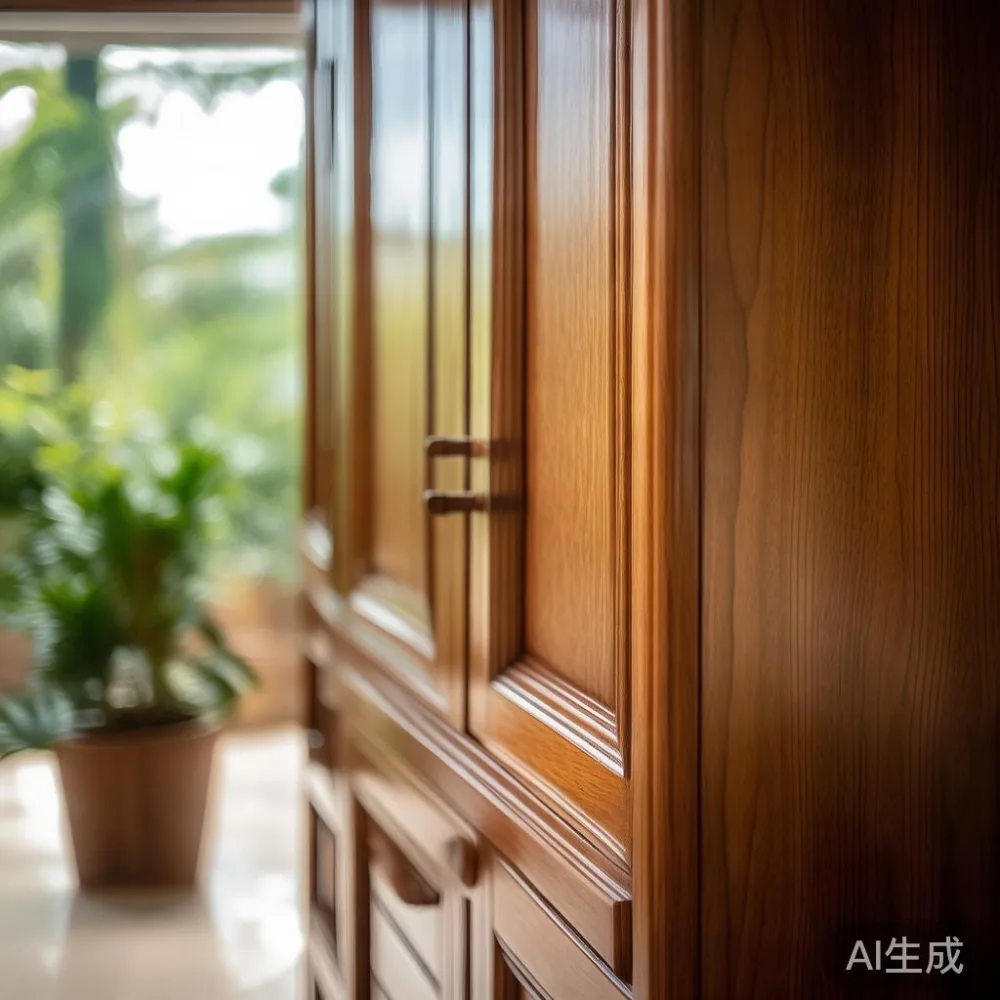
This guide focuses on lacquered wardrobes and the surfaces immediately connected with them: timber rails, handles, drawer fronts, and nearby bedroom furniture. If you are comparing bedroom concepts, the phrase light luxury for bedroom usually describes a restrained palette, pale woods, matte metal, and balanced storage rather than an abundance of decoration. A well-maintained wardrobe can contribute to that atmosphere for years, including through the company’s 10-year structural warranty and lifetime refinishing service.
Why does lacquer need special care in Singapore?
Singapore’s climate can remain humid throughout the year. A bedroom may experience overnight temperatures around 25–29°C, relative humidity near 60–80%, and surface condensation when an air-conditioned room meets a warmer corridor. Lacquer is less porous than unfinished timber, yet the underlying wood can still respond to moisture. The result may be a haze, softened reflection, or a fine “orange peel” appearance along frequently touched areas.

Direct afternoon sun adds another challenge. UV exposure can gradually fade a tinted lacquer, especially in west-facing condo bedrooms. The same flat that receives sea breezes through an opening may also collect airborne dust and oily deposits. Singaporean households also touch wardrobe handles hundreds of times a year, so grease from hands is one of the most common causes of a streaky finish.
These effects are manageable. Keep the wardrobe away from a window or curtain where direct sun falls for more than 2 hours a day, maintain indoor humidity near 50–65% where practical, and clean spills before they dry. Avoid placing a lacquered wardrobe against an untreated wall that may feel damp. For a bedroom fitted tightly beside the wall, leave approximately 3–5 cm of ventilation space where the installation allows it and use a moisture-reading device costing about SGD 20–40.
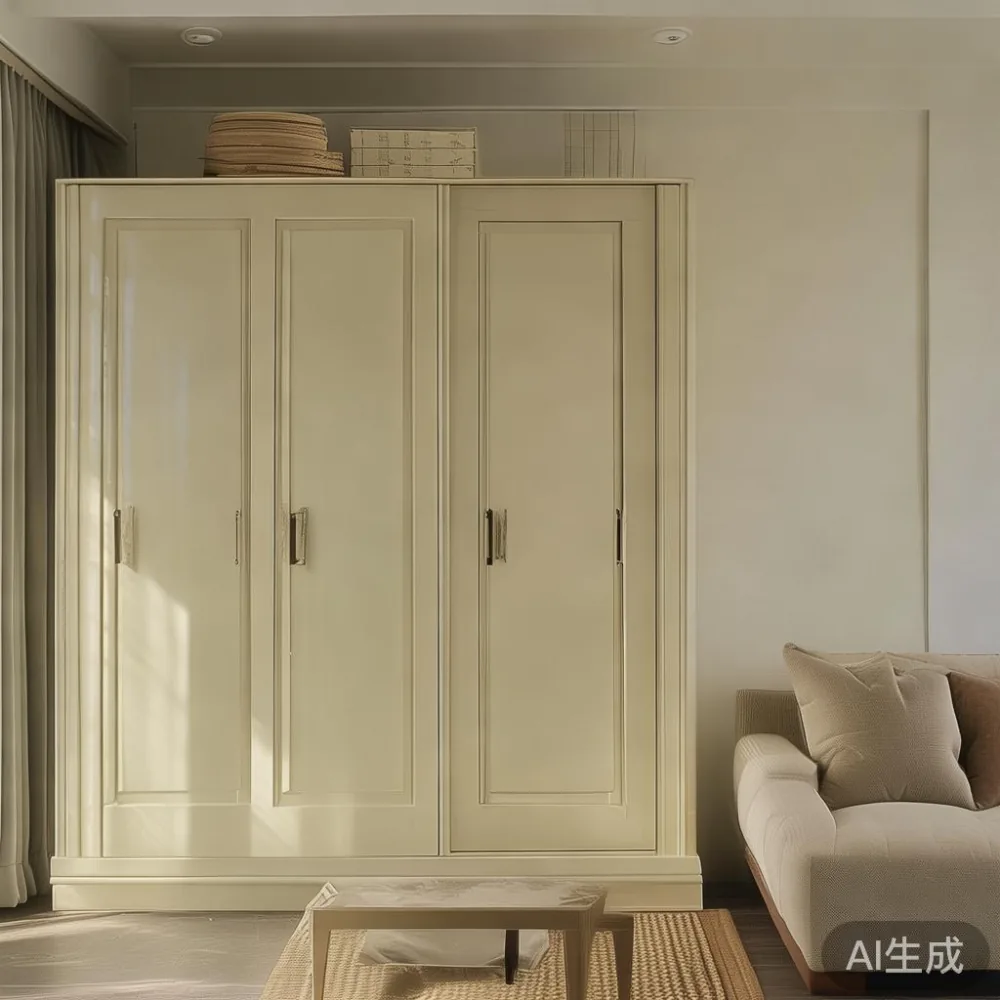
Furniture should also be moved with care. A large wardrobe may exceed the usable turning radius of an older HDB lift even when its carton fits inside. Measure the lift door, cabin depth, and the route from the service lobby before delivery. Staircases, corridor corners, and fire doors can reduce the workable dimensions by several centimetres. MIDHILL can help plan delivery details, but the installer still needs a clear route and safe lifting space.
How should I clean a lacquered wardrobe safely?
Use a two-cloth method. For routine cleaning, slightly dampen a microfibre cloth with plain water or a pH-neutral cleaner diluted according to its label. Wipe the lacquer in sections, then remove moisture with a second dry microfibre cloth. A 30 × 30 cm cloth is easy to control, while a 50 × 50 cm cloth covers a larger panel more quickly. The cloth should be damp, not wet; no liquid should collect around handles, joints, or the base.
For fingerprints, dilute a small amount of mild dish soap in a bowl of water, perhaps 3 ml per 500 ml, and test the mixture on a concealed 5 × 5 cm area. After wiping, dry the surface immediately. Do not use abrasive pads, steel wool, scouring powder, ammonia, alcohol, acetone, furniture polish, or “spray and shine” products. Those substances may strip the lacquer or leave a patchy film.
Clean touch points every 2–4 weeks and general panels every 1–2 months, adjusting for dust and household use. If a wardrobe handles more than 10 people each day, wipe the handles weekly. Never spray cleaner directly onto the wardrobe. Spray 2–3 pumps onto the cloth instead; overspray can seep into seams or leave a visible edge.
Spills require speed rather than aggressive scrubbing. Blot water immediately with a dry cloth. For an oil-based stain, lift the residue with a clean cloth and a tiny amount of pH-neutral cleaner, then dry the area. If lacquer lifts or exposes timber, stop using chemicals and arrange an assessment. A refinishing service is far more predictable than repeated household treatments.
What are the signs that lacquer needs refinishing?
Minor dust and fingerprint smudges do not require refinishing. The finish should be considered for professional attention when the reflection becomes permanently cloudy, when scratches expose a different colour beneath the topcoat, or when lacquer begins to peel, crack, or separate at an edge. Check the same panel under the same lighting every 6 months. Photograph it with your phone, including a ruler for scale, so changes are easier to judge than from memory.
Small scratches under about 0.5 mm can sometimes be reduced with lacquer-safe repair materials. Deeper marks, broad dull patches, or flaking over more than 10 cm² are not DIY projects. Moving a wardrobe without removing doors or drawers can create new damage, especially if the base scrapes the floor or the unit tilts in a narrow corridor.
MIDHILL offers lifetime refinishing, which provides a useful route for preserving the wardrobe’s appearance across a long ownership period. Confirm the scope, turnaround time, transport charges, and applicable GST before scheduling. For a flat in Tampines or Punggol, the customer may need to reserve a service lift or parking bay at least 3–5 days ahead. Collection and return often take 7–14 working days, although the exact duration depends on the finish, condition, and workshop queue.
It also helps to distinguish lacquer from veneer. A lacquered solid wood wardrobe has a sealed surface coating over prepared timber; decorative veneer may have a thin wood facing that can be sanded through. If a seller does not clarify the construction, ask for photographs of the edge, back panel, and an area beneath a drawer. MIDHILL’s product information should support clear comparisons before purchase.
Can humidity or heat damage a lacquered wardrobe?
Yes, but prevention is simpler than correction. Keep the unit at least 20–30 cm from an air-conditioner vent, as repeated airflow can drive lacquer and timber edges to expand and contract at different rates. A bedside lamp or nightstand should not press against a door panel. Use felt pads under items placed on a lacquered top and avoid placing hot cups directly on the surface; a 70°C cup can leave a ring that becomes visible within hours.
For HDB rooms with limited ventilation, run the air-conditioner in the room for 30–60 minutes before closing doors at night. This reduces the temperature difference when a wardrobe is operated. During the day, use a dehumidifier if readings remain above 65% for several hours. A compact unit may consume around 200–350 watts, depending on capacity and settings, so check the household’s electrical load.
Condo bedrooms near the coast should be inspected more closely. Salt does not rapidly corrode an intact lacquer film, but it can carry dust and moisture into scratches. If the wardrobe is near a balcony door, wipe the lacquer and handle every 1–2 weeks during wet periods. Keep exterior doors closed while the air-conditioner runs, and clean the tracks with a soft brush rather than flooding them.
Storage conditions matter as well. Do not overfill shelves with heavy folded bedding; aim to leave 5–8 cm above stored items so air can move. A typical shelf should support no more than 25–30 kg when adjusted for its span and the manufacturer’s instructions. In tall wardrobes, distribute heavier clothing across lower shelves. This protects the timber and reduces pressure on the lacquered front.
How can I fit a lacquered wardrobe into a compact Singapore bedroom?
Measure the finished wall, skirting, door swing, sockets, and the path from the lift. A 180 cm-wide wardrobe may look substantial in a 10–12 m² bedroom, while a 150–180 cm unit can still provide useful hanging space if planned around the bed frame. Leave 60–90 cm of circulation space where possible, although this may need adjustment in smaller HDB rooms. Avoid a layout that blocks the bedroom door or requires the wardrobe door to open directly into the bed.
The appearance of the finish should be assessed under several conditions. View a sample in daylight and at night, ideally against both warm timber and cool painted walls. Warm lighting around 2700–3000K can make neutral lacquer appear creamier, while cool lighting near 4000K can make it look flatter. Ask for a physical finish sample and leave it in the room for at least 24 hours before ordering a large wardrobe.
Local language is less important than accurate space planning, but search terms such as wardrobe sg often bring up broad product pages rather than installation guidance. When reviewing a wardrobe sg collection, check dimensions in centimetres, drawer extension, hanging depth, handle projection, and the finish-care policy. For a condo with a narrow service corridor, a flat-pack or modular wardrobe may be easier to install, but confirm that no joint is weakened by repeated assembly.
For a coordinated bedroom, the wardrobe can sit beside a solid wood bed frame, a dining table elsewhere in the home, or a solid wood sofa in the living room. These pieces may share timber tones without matching every detail exactly. This approach fits French light luxury: a carved or profiled bed frame, pale cabinetry, and classic hardware create warmth without making a compact flat feel crowded. Post-modern light luxury offers another route through clean geometry and restrained contrast.
A French provincial wardrobe can also work in an apartment if its proportions are disciplined. If you are searching for how to style French provincial wardrobe in apartment ideas, focus on the opening, ceiling height, and colour of the adjacent walls rather than copying a large European room. In a 2.7 m-high HDB bedroom, an oversized cornice may look visually heavy; simple shaker-style panels or a slim crown can preserve the character at a lighter scale.
How should I prevent scratches, fingerprints, and furniture collisions?
Protect the high-contact zones. Fit handle sleeves made from soft silicone or felt when renovating, and replace them rather than allowing them to become thin and dirty. Keep keys, coins, and watches away from the top surface, where they can be dragged across it. If a nightstand stands beside the wardrobe, provide a 3–5 cm gap and place its legs on felt pads. The nightstand top can still hold a lamp, but use a coaster and keep its base at least 5 cm from the wardrobe.
Vacuum the floor before moving a wardrobe or installing a marble table nearby. Grit trapped under a caster can scratch lacquer and stone surfaces alike. Use a lifting team for any piece over 35–40 kg and for wardrobes taller than 180 cm. Two people should not pull a tall unit by its doors or handles; the carcass and joints can fail before the surface does.
In a compact Singapore home, collisions often happen while cleaning. Choose a wardrobe height that allows the upper panels to be reached with a 2-step stool rated above 100 kg. Do not stand on a bed frame or dining chair. A padded wall guard can reduce damage from an opening door, while a 2 cm floor gap allows the cabinet to be cleaned without wetting its base.
Material coordination can help the wardrobe feel integrated rather than isolated. A solid wood sofa with a straight profile complements a simple lacquered wardrobe, while a marble table introduces a brighter, harder texture in the dining area. When comparing living-room references, the best Mid-century modern sofa for 2026 is ultimately about fit, proportion, and comfort in the actual room; similarly, how to style Japandi sofa in apartment depends on circulation and visual balance. These comparisons should support a coherent home, not distract from the wardrobe’s finish.
What should I ask before buying a lacquered wardrobe?
Ask whether the lacquer is sprayed, brushed, or factory-applied, and whether the coated surface covers all faces or only the visible fronts. Request a close-up photograph showing the grain, a handle, a drawer edge, and a rear ventilation opening. The finish should feel consistent under raking light. Also check whether the quoted wardrobe sg price includes delivery, installation, GST, and removal of packaging.
Singapore shoppers should compare the full cost rather than a promotional figure alone. For example, a wardrobe listed at SGD 1,880 before GST becomes SGD 2,068 at the standard 9% rate, with a GST-registered business generally responsible for the tax. A delivery charge of SGD 80–150 may also apply outside free-shipping thresholds. MIDHILL provides free shipping for orders over US$350, but the currency conversion and the exact checkout total should be checked at the time of purchase.
Check the service conditions as carefully as the colour sample. MIDHILL has operated since 2008, exports to more than 15 countries, offers a 10-year structural warranty, and provides lifetime refinishing. Ask what documentation is supplied, how claims are assessed, and whether refinishing includes collection, transport, and GST. A 14-day return period also requires attention to packaging, assembly, and the condition in which the unit must be returned.
Those questions are particularly useful when comparing European light luxury sofa vs Mid-century modern sofa for a living room and designer light luxury furniture for the wider flat. A disciplined wardrobe, solid wood bed frame, and carefully scaled nightstand can establish the bedroom’s visual language. The living-room pieces can then echo its colour palette without competing with it.
What is a practical care schedule for a tropical bedroom?
A weekly routine should include wiping handles, checking the wardrobe corners, and removing dust from the plinth. Use a soft brush on vents and around hinges. Every month, clean the panels with a damp microfibre cloth, inspect humidity readings, and check whether the wardrobe doors strike the wall or bed frame.
Every 3 months, clean the top and side surfaces more thoroughly, rotate stored clothing, and verify that heavier items remain on lower shelves. Inspect moving parts with the family present so you can identify a handle that has begun to loosen. Touch the lacquer with a clean, dry finger; if the surface feels unusually warm, move adjacent heat sources away and allow the room to stabilise.
Every 6–12 months, compare photographs taken in the same position and lighting. Record the condition of the lacquer, timber edges, and joints. Check the warranty and refinishing terms for any change, especially after a renovation or a move. For a condo sale, these records also help the owner describe the wardrobe accurately.
A separate 10-point care kit costs about SGD 35–60: two microfibre cloths, a soft brush, a pH-neutral cleaner, felt pads, a cream-coloured touch-up pen selected for the exact finish, and a hygrometer. Store the kit away from direct sun. Do not mix cleaners, and label the bottle with the product name and dilution ratio.
Last month, I visited a family in Bedok to assess a pale lacquered wardrobe beside a compact bed frame. The door panel looked hazy because they had been applying an oily cleaner every week. After one gentle cleaning test on a 10 × 10 cm concealed area, the dull mark remained while an adjacent section responded normally. The owner had also parked a laundry basket against the cabinet, trapping humidity for 18–20 hours each day. We moved the basket, increased the rear gap to 5 cm, and changed to a pH-neutral routine. At the 6-week check, the finish was noticeably clearer, and no coating had been removed.
That experience shows why chemical mixing and blocked ventilation deserve attention. Lacquered furniture in Singapore does not need constant intervention. It needs about 20 minutes a week, a monthly wipe-down, and periodic inspection. When those habits are established, a lacquered wardrobe can retain its clean lines and calm light-luxury character through humid afternoons, busy family routines, and many years of use.