Lacquered Furniture Care: Maintaining Your Wardrobe in the Tropics
Singapore’s heat and humidity make lacquer care more demanding than it is in cooler cities. A wardrobe sg with a lacquered finish can develop a hazy film, sticky patches, or dull colour if condensation, salt-laden air, and daily hand contact are ignored. The good news is that a sound lacquer finish can remain clear and even for years when it is wiped correctly, protected from direct sunlight, and inspected every 3–4 months.
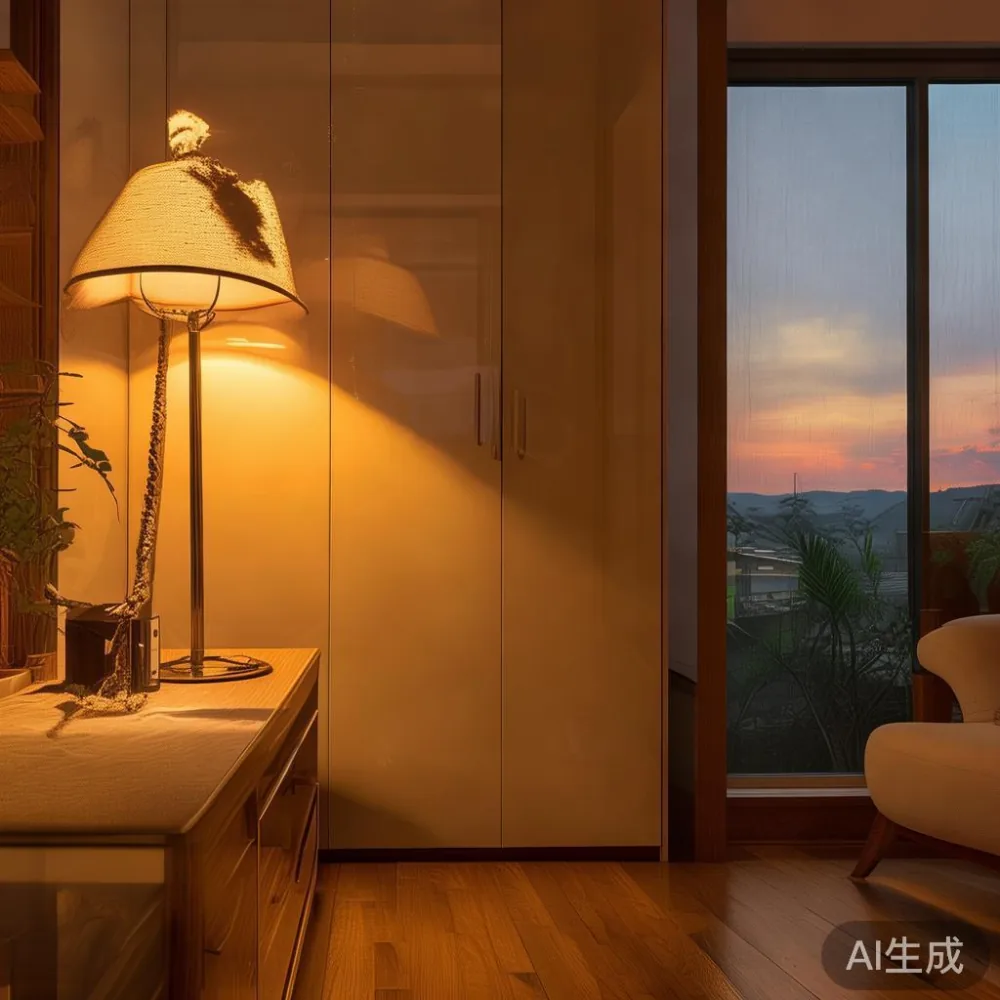
This guide focuses on lacquered solid wood furniture, especially wardrobes in HDB flats and condos across Tampines, Bedok, and Punggol. It also applies to lacquer details on a solid wood sofa, bed frame, dining table, nightstand, or marble table, provided their care instructions do not specify a different process.
MIDHILL makes lacquered solid wood furniture for international buyers and offers a 10-year structural warranty, lifetime refinishing, free shipping over US$350, and 14-day returns. For a Singapore order, displayed prices should be confirmed in SGD at checkout because GST, delivery, and promotional terms can affect the final total.
Why does lacquer react to Singapore humidity?
Lacquer is a clear or coloured surface coating applied over prepared wood. It can look glass-like, but it is not the same as glass or a ceramic glaze. Temperature changes cause wood beneath it to expand and contract by small amounts. In a tropical climate, warm air enters the home, cool air from an air-conditioned room meets it, and condensation can form along doors, rails, handles, and exterior panels.
A relative humidity reading between 55% and 70% is generally comfortable for wood furnishings. Singapore households may experience levels above 80% at different times, especially during monsoon periods or in flats with limited cross-ventilation. Repeated moisture exposure can make lacquer look cloudy, create fine surface marks, or weaken adhesion at edges. Direct sunlight adds another stress: UV exposure can fade a coloured lacquer even when the underlying wood is sound.
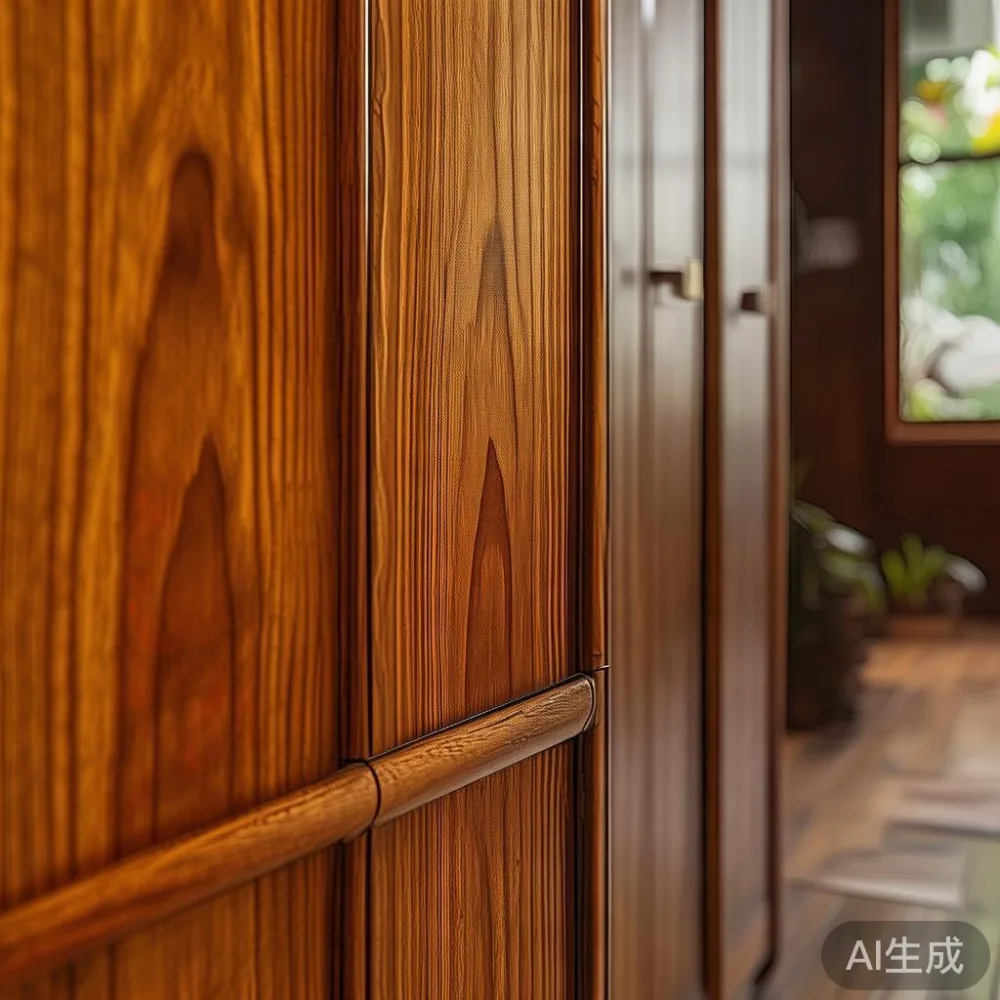
Placing a wardrobe close to a bathroom or kitchen is less suitable than placing it against a dry interior wall. Keep it at least 30 cm from an exterior wall if ventilation is weak, and avoid air-conditioning vents aimed directly at the doors. Aim for a practical gap of 10–20 cm between the wardrobe side and nearby walls so that panels can be cleaned without scraping neighbouring surfaces.
Do not assume a humid room will always damage lacquer. Stable indoor conditions, sensible spacing, and routine care reduce the load. Air-conditioning and dehumidifiers can help, but they should not be used as substitutes for wiping away moisture. Set a dehumidifier to maintain roughly 55–65% relative humidity where possible, and run it for 4–6 hours in closed rooms rather than allowing the air to become excessively dry.
How should I clean a lacquered wardrobe sg without scratching it?
Use a soft, lint-free microfibre cloth and a small amount of mild dish soap diluted in water. A practical mixture is 5 ml of detergent to 500 ml of lukewarm water. Wring the cloth until it is merely damp, then test a concealed 10 cm × 10 cm area for 24 hours. Wipe with the grain of the wood, dry immediately with a clean cloth, and avoid circular scrubbing.
For ordinary dust, a dry microfibre cloth may be enough. After a handover or major cleaning, wipe each door once with the diluted solution, paying attention to pulls, hinges, top edges, and the lower 20 cm of panels where shoes may deposit grit. Finish with a dry cloth. Never use a wet mop around the plinth, and never let cleaning liquid run between door gaps or into rail components.
Common products can cause problems. Avoid silicone spray, furniture polish containing wax or oil, ammonia, bleach, acetone, alcohol-based cleaners, and abrasive pads. Alkaline cleaners may dull lacquer, while solvents can soften or strip the film. If a cleaner’s label says “natural,” “wood-safe,” or “multi-purpose,” that is not enough; check whether it contains alcohol, silicone, petroleum distillates, or ammonia.
A wardrobe sg should be cleaned every 2–4 weeks in busy family homes and every 4–8 weeks in quieter rooms. During periods of heavy perspiration or construction dust, clean touched areas weekly. A useful weekly habit is to inspect the finish under daylight for 5 minutes and wipe fingerprints from handles with a dry cloth.
What should I do when lacquer looks cloudy, dull, or sticky?
Cloudiness usually indicates moisture, a residue film, or very fine surface contamination. Start with the mildest response: dry the surface with a clean microfibre cloth and leave the room ventilated for 12–24 hours. If the haze remains, use the diluted detergent method described above, then dry immediately. Do not keep repeating wet cleaning, because excess moisture can worsen the appearance or affect lacquer adhesion.
Sticky patches need investigation before polishing. They may come from airborne pollutants, hand cream, cooking oil, or a cleaning product that was not suitable for lacquer. Identify the source, remove it gently with diluted detergent, and allow the panel to dry for 24 hours. If the sticky area spreads beyond 20 cm or appears after wiping, stop applying household products and seek an assessment from a furniture-finishing professional.
Fine scratches can often be treated with a lacquer-safe polishing product, but colour and sheen must match. Test it on a hidden section for 7 days. Use a soft cloth, apply less than a pea-sized amount, and work by hand for no more than 20–30 seconds per section. A deeper scratch that exposes wood, catches a fingernail, or crosses a door edge requires professional attention rather than aggressive buffing.
Last month I visited a customer in Bedok who had placed a lacquered wardrobe beside an open balcony door. The lacquer looked cloudy across 2 door panels and had a faint sticky film near the handles. The family had used an oil-based multipurpose polish for about 6 months. After one gentle detergent treatment, a 48-hour drying period, and adjustment of the balcony-door routine, the finish recovered without panel replacement. That experience reinforced how easily an inappropriate “shine” product can complicate a simple maintenance issue.
How can I prevent heat, sunlight, and condensation from damaging the finish?
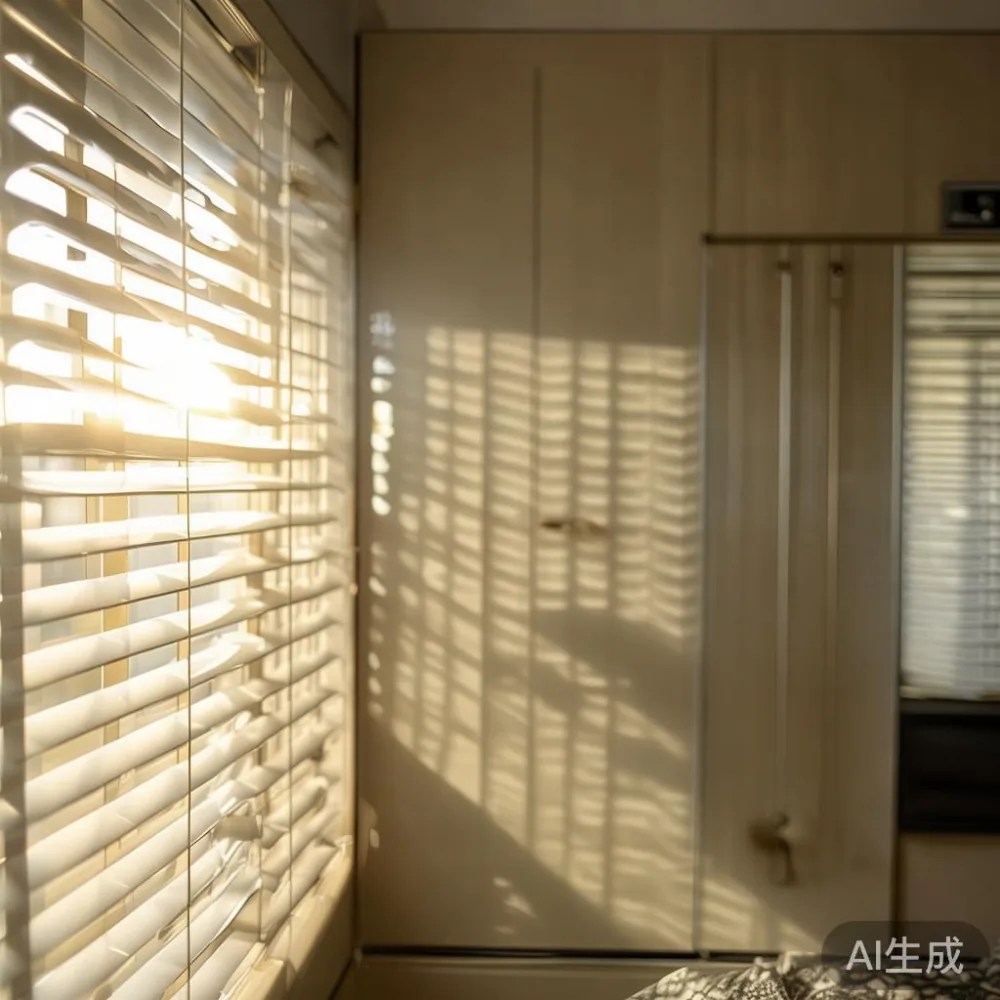
Control the environment around the furniture. Keep the wardrobe away from south-facing windows where possible, or place a sheer curtain that filters light while retaining ventilation. If a window receives direct sun for more than 2 hours a day, use UV-filtering film or blinds. Lacquer can discolour gradually, and a change visible after 6 months may be difficult to correct without refinishing.
Do not install a wardrobe immediately against an exterior wall in a high-rise condo if condensation is already visible on nearby walls. Check in the morning and after evening showers, noting whether the wall or panel is damp. Leave 30–60 cm of clearance when the layout permits. In compact HDB rooms, this may not be realistic, so improve airflow by opening the bedroom and living-room doors for 20–30 minutes after showering and by running air-conditioning in a moderate setting.
Protect the top and sides from hot objects. A halogen lamp should remain at least 40 cm away, and a floor lamp should not be positioned so that its metal shade touches a lacquered panel. For furniture that includes a marble table, use coasters and trivets with a clearance of at least 5 cm from any heated object. Although marble tolerates heat better than lacquer, heat can transfer through a nearby lacquered wooden edge.
For an open wardrobe, avoid leaving damp clothing inside for more than 12 hours. Shake out wet garments before hanging them, leave the doors ajar by 10–15 cm for ventilation, and provide 10 cm of space between clothing and the back panel where the rail depth allows it. This supports both the lacquer and the wardrobe hardware.
Does furniture placement matter in HDB flats and Punggol condos?
Yes. Singapore’s lift and corridor dimensions influence delivery, while apartment planning affects lacquer care. Many HDB lift cars have internal door openings near 80–90 cm and car depths around 130–140 cm, although block-specific dimensions vary. A flat-pack or modular wardrobe may therefore be more practical than a fully assembled lacquered unit, but the panels still need protection from corridor moisture and impact during moving.
Measure the route before delivery: the flat entrance, lift threshold, lift car, corridor turns, bedroom doorway, and final position. Add 5–10 cm of working clearance around large panels. Confirm whether the building requires a booking for the service lift or the loading area. Delivery to many Singapore addresses takes 3–7 working days after production confirmation, with 1–2 additional days possible during peak periods.
For a condo, check whether the loading bay and air-conditioned corridor are shared or separately accessed. Freight handlers should use clean blankets, cardboard corner guards, and straps that do not cross a finished panel. Do not accept a lacquered wardrobe with a visibly crushed corner or a white stress line. Photograph the packaging and furniture on arrival, then inspect all 4 sides, 2 doors, drawer fronts, rails, handles, and plinth before the delivery team leaves.
Singapore’s GST-inclusive pricing should be confirmed in SGD. If a quote is shown in another currency, request the local total before confirming. MIDHILL’s 14-day return period provides an opportunity to report manufacturing or finish issues promptly, although normal colour differences under different lighting should be assessed against the supplied product information.
How does lacquer fit into a light-luxury interior?
Lacquer can support French light luxury, American light luxury, and post-modern light luxury, provided the finish is controlled rather than mirror-glossy. A warm, muted lacquer that reveals fine timber grain can complement French provincial for office projects, while darker edges and restrained profiles suit American light luxury. Geometric door detailing and clean rectangular forms create a post-modern light luxury mood without excessive ornament.
The furniture should feel proportionate rather than overloaded. A 180 cm-wide lacquered wardrobe may suit a Tampines HDB bedroom with a 300 cm wall, but a 240 cm unit would need careful circulation planning. In a Punggol condo master bedroom, a 220 cm wardrobe with 60 cm doors can provide substantial storage while leaving a 70 cm passage if the bed and side tables are carefully placed.
Material pairing matters. An oak-toned solid wood sofa, a low solid wood bed frame, and a pale lacquered wardrobe can create a calm mixed-material room. A marble table introduces stone texture and reflective variation, so it works well beside matte lacquer rather than against a heavily patterned surface. A lacquered nightstand should have enough top clearance for a 15 cm-wide lamp base and at least 30 cm between the bed edge and the drawer front when drawers open.
Readers comparing European light luxury bed vs Mid-century modern bed may notice that lacquer is often associated with the former, while timber grain and tapered legs distinguish the latter. The choice is not about labels alone; it is about proportion, grain, finish, and the way the room handles tropical light. Searches for best European light luxury furniture, top 10 light luxury furniture, French for guest room schemes, or the best Scandinavian sofa for 2026 can be useful during planning, but the finish should still suit the actual room and climate.
For complete projects, compare finishes across the solid wood sofa, bed frame, dining table, wardrobe, nightstand, and marble table rather than ordering a cabinet that feels unrelated. MIDHILL’s 10-year structural warranty and lifetime refinishing policy add long-term reassurance, while refinishing eligibility should be confirmed for the specific finish and purchase.
How often should a lacquered surface be inspected and maintained?
Create a 3-month inspection routine. Check the wardrobe sg for haze, sticky areas, scratches, loose joints, and colour changes. Look under direct and angled daylight as well as under warm evening light, because different lighting can reveal defects that one inspection angle hides. Record the location of any mark with a small piece of masking tape placed nearby, never on the finish, and photograph it for comparison.
Every 6–12 months, clean the pulls and lower panels, check hinge gaps, and confirm that doors do not touch damp walls. Vacuum the interior with a brush attachment kept 5 cm away from lacquer. Clean the floor beneath the plinth every 2–3 months, because dust can be kicked upward and settle on lower panels. Use a humidity meter rather than guessing; a reading above 70% for several hours suggests a ventilation or dehumidification adjustment.
Renew protective window films or curtains if they become dusty, since dirty films reduce light transmission and heat gain. Replace a damaged felt pad under a nightstand lamp or an object placed on a lacquered shelf. Felt pads should be at least 2 cm across and should never be placed directly under heavy moisture.
Professional refinishing should be considered when the lacquer has blistered, peeled, separated over an area larger than 10 cm, or lost its colour. It may also be appropriate when scratches extend through the film, a door has warped, or the finish no longer responds to careful cleaning. Ask the specialist to identify the original lacquer system, colour code, sheen level, and wood species before work begins. Allow 7–14 days for assessment and another 5–10 working days for refinishing, depending on access and drying conditions.
For the best results, treat lacquer as a carefully maintained finish rather than an invisible surface. Gentle cleaning, controlled humidity, sensible placement, and periodic inspection can protect a wardrobe sg for many years. In Singapore, consistency matters more than constant heavy treatment: use less water, fewer products, and regular checks.