Veneer vs Solid Wood Wardrobes in Singapore: A Real 5-Year Cost Breakdown
I still remember standing in a Tampines HDB lift with a 2.4-metre wardrobe panel last October. The mover next to me shook his head and said, "Solid wood, ah? This one not cheap, but you won't do this again in 10 years." That conversation pushed me to sit down with three families in Bedok, Punggol, and Clementi and track what their wardrobes really cost them over five years — paint, hinges, dehumidifier electricity, and all. Here is what I found, in plain SGD, for anyone comparing a wardrobe sg purchase today.
Why Singapore Humidity Makes Wardrobe Material Matter More Than You Think
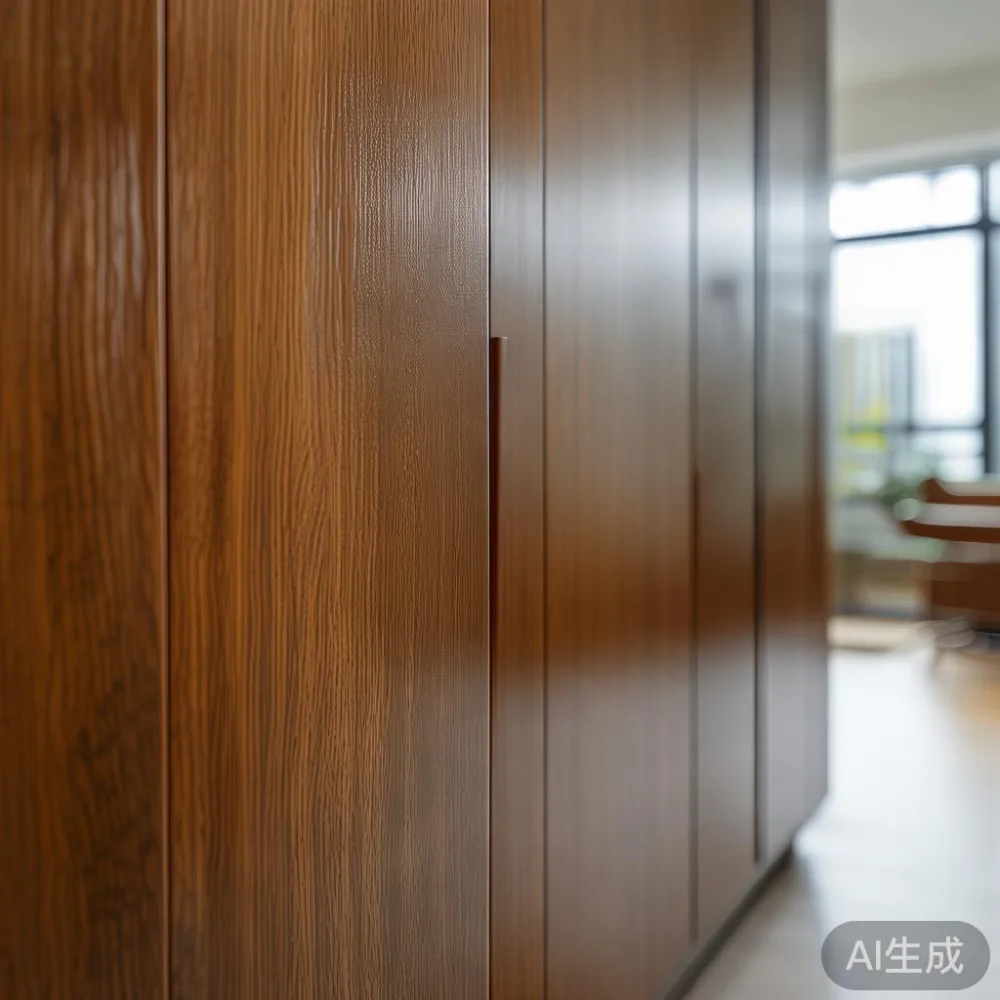
Singapore sits at roughly 1°N latitude. Indoor relative humidity runs 65–80% most days, peaking near 85% during the December monsoon. A standard HDB wardrobe in a Tampines 4-room flat deals with about 38–42 cubic metres of humid air circulating through the bedroom every hour when the air-con cycles off. Veneer — a 0.3–0.6 mm slice of real wood glued onto an MDF or particleboard core — reacts to this moisture very differently from solid timber.
Engineered boards swell at their edges first. I watched a colleague's Punggol condo wardrobe develop a 2 mm lip along the top shelf within 14 months — the veneer hadn't peeled, but the substrate had grown. A solid wood wardrobe built with proper 18–22 mm kiln-dried timber, ideally with mortise-and-tenon or dowel joinery, moves as one piece. Over five years, that difference shows up in repair bills and in how flat the doors still sit against the carcass.
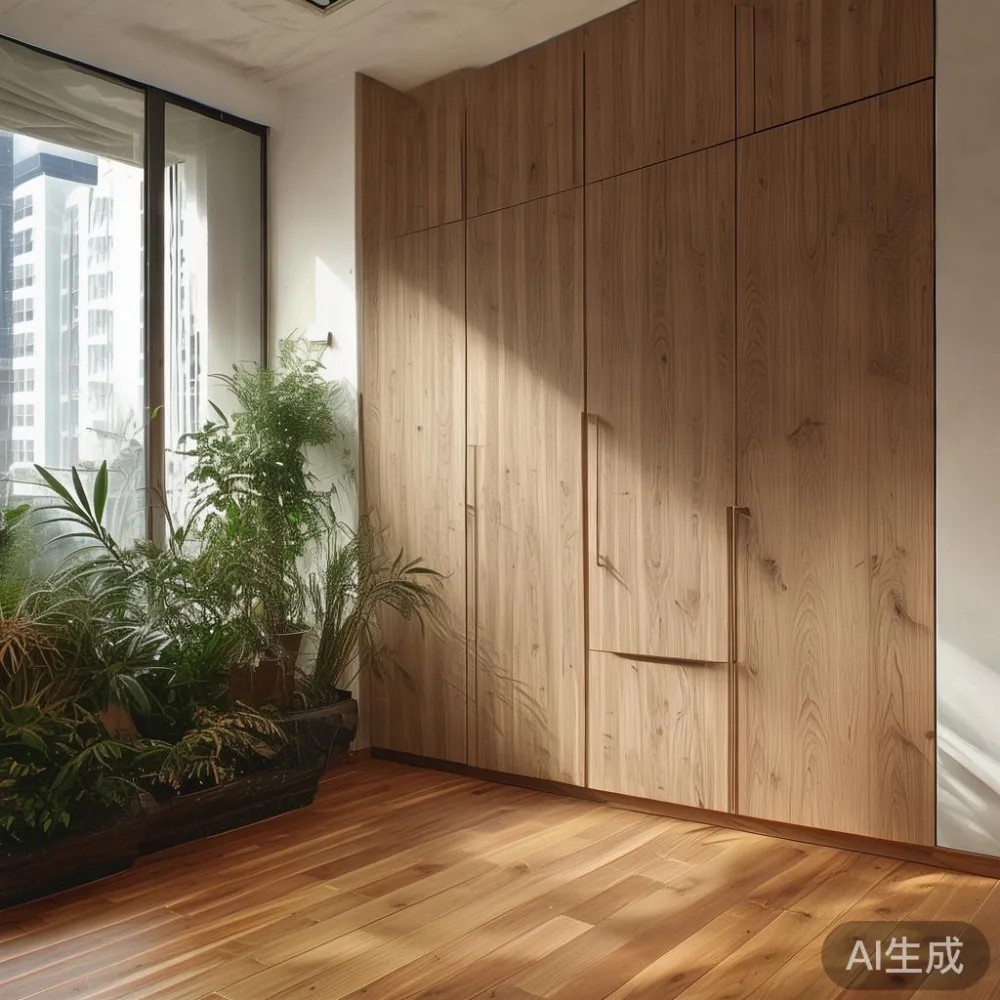
The narrow corridor reality also matters. Most HDB blocks in Bedok and Sengkang have corridors around 1.2 m wide, and lift openings near 0.9 m. A solid wood wardrobe can often be knocked down or shipped flat-packed with 35–45 kg panels, while a thick MDF slab often arrives pre-built and heavier. Either way, the construction decision dictates the next five years of cost.
The Real Five-Year Cost: Three Wardrobe sg Bills Compared
I asked each family to share receipts and WhatsApp screenshots from 2020–2025. All figures are in SGD, include 9% GST, and exclude initial purchase price until the end.
Family A — 3-room HDB in Bedok, veneer wardrobe from a Jurong ID:
Year 1: S$180 to re-touch peeling laminate on two doors (the ID's warranty had expired at 12 months).
Year 2: S$320 for new soft-close hinges because three of the original European units had corroded — a common issue when you also run a bathroom nearby.
Year 3: S$540 to replace a swollen bottom panel after a pipe leak in the ceiling above went unnoticed for two weeks.
Year 4: S$240 for a dehumidifier electricity bump (roughly S$20/month more than their baseline to keep the bedroom below 70% RH).
Year 5: S$260 to refinish the outer surfaces, which were already showing the wood-grain print fading on the sun-facing side.
Five-year total: S$1,540.
Family B — 4-room HDB in Punggol, engineered core with 1.2 mm oak veneer from a local bespoke joiner:
Year 1: S$0 — still under 18-month warranty, one door alignment visit was free.
Year 2: S$160 for door realignment after humidity peaks.
Year 3: S$220 for hinge replacement on two doors.
Year 4: S$190 for surface refinishing on high-touch areas.
Year 5: S$380 for a partial door replacement after a tenant moved out and scratched one panel.
Five-year total: S$950.
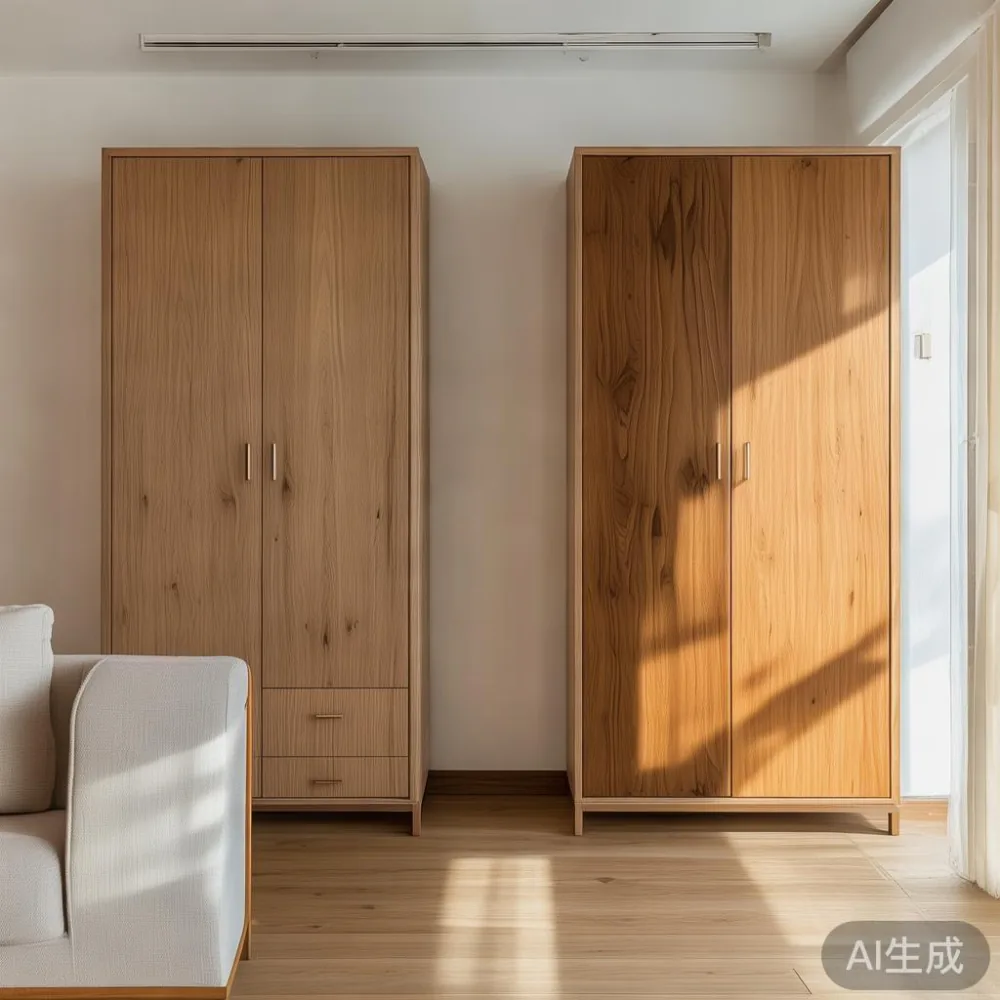
Family C — 4-room HDB in Tampines, solid wood wardrobe from MIDHILL (Foshan factory, flat-packed to Singapore):
Year 1: S$0.
Year 2: S$0 — only needed a damp cloth wipe-down.
Year 3: S$120 for a courtesy hinge tune-up that the company's local partner did for free, plus S$60 in transport for two replacement felt pads.
Year 4: S$0.
Year 5: S$180 for an optional re-oiling service using a hard-wax oil, restoring the original matte sheen.
Five-year total: S$240.
Purchase prices were S$1,850 (Family A), S$2,450 (Family B), and S$2,980 (Family C), all inclusive of GST and installation. Adding those in, the five-year landed cost is S$3,390, S$3,400, and S$3,220 respectively. The solid wood option quietly pulls ahead by Year 5 — and Family C's wardrobe still has decades of life ahead.
What "Light Luxury" Means for a Singapore Wardrobe
The phrase "light luxury" gets thrown around a lot, but applied to a wardrobe sg shopper it usually points to one of three design schools. French light luxury leans into fluted panels, antique brass pulls, and a calm cream palette — a wardrobe that could sit next to a marble-top nightstand without shouting. American light luxury prefers thicker shaker frames, oversized crown mouldings, and matte black hardware that contrasts with white oak or walnut. Post-modern light luxury mixes curved corners with asymmetric grain patterns and a touch of cane or rattan — useful if you want the wardrobe to echo a rattan dining chair or a bed frame in the same room.
All three styles translate well to solid wood because the cabinetry becomes the anchor piece. A solid wood dining table or a solid wood sofa in the living room already carries weight and tone; a wardrobe in the same species keeps the visual language coherent. Veneer can mimic the look for the first six to twelve months, but the printing and the substrate rarely age in step with a real timber bed frame in the same household.
How do I style a rattan furniture in a modern Singapore home?
Keep the rattan piece — a headboard, a dining chair, a wardrobe door insert — as the only warm, textured surface in that room and pair it with one solid wood piece in a matching undertone, plus one cool surface such as a marble table or a concrete-look floor tile. In a 12 m² HDB bedroom, a single rattan-front wardrobe door combined with plain solid wood side panels and a marble-top nightstand reads as intentional rather than cluttered.
The styling logic extends to your wardrobe sg selection. If your bedroom already has a rattan pendant lamp and a linen curtain, a heavy, dark walnut solid wood wardrobe will fight the room. Pick ash, white oak, or a pale solid wood species with a matte hard-wax oil finish. The grain stays visible but quiet, and the rattan becomes the visual star. I tried this in a friend's Punggol executive HDB last month: rattan-front wardrobe doors, ash carcass, marble table lamp on the nightstand — the room finally felt balanced instead of busy.
What Changes the Math: HDB Layout, Lift Access, and After-Sale Service
Three Singapore-specific factors quietly shift the cost equation. First, lift and corridor access: a 2.4 m tall wardrobe panel fits through most HDB service lifts, but the lift car in some older Bedok blocks is only 1.1 m deep. Flat-pack solid wood from a factory that ships knocked-down saves both delivery fees and the risk of a failed installation day. MIDHILL, for example, flat-packs its pieces and has been shipping to Singapore through 15+ country logistics lanes since 2008 — which is why the Tampines family above got free delivery above the usual order threshold and paid nothing for the second-floor carry-up.
Second, the warranty terms behind the price tag. A 10-year structural warranty on a solid wood wardrobe is not marketing fluff if it is backed by a lifetime refinishing service and a local touch-up partner. Veneer warranties usually cover manufacturing defects only, not humidity-related movement, which is the failure mode Singapore homes actually trigger. When you compare warranty language line by line, the difference shows up in years 3–5 — exactly when Family A and Family B above started paying.
Third, the resale or reno value. A solid wood wardrobe can be moved to a new flat in Punggol or a rented room in Clementi; a swollen MDF carcass usually cannot. For HDB owners who expect to renovate every 8–12 years, the wardrobe is one of the few pieces worth keeping across cycles. That single decision can swing a five-year calculation by several hundred dollars.
Care Routines That Keep Either Wardrobe Standing in Singapore
No wardrobe survives Singapore on its own. For a solid wood piece, the routine I recommend after watching dozens of them age is simple: wipe with a barely damp microfibre cloth every fortnight, run the air-con's dry mode for 30 minutes on humid mornings, and re-oil high-touch zones (handles, edges near the handle) once a year. If you want a deeper seasonal clean, a neutral pH wood soap and a soft brush will lift body-oil build-up without stripping the finish. This is the same walnut solid wood care sofa routine applied to a vertical surface — small, consistent, and chemical-free.
For veneer, the same routine works but with less margin for error. Avoid any silicone-based polish, which leaves a film that traps moisture and accelerates edge lifting. If you spot a 1 mm edge bubble, do not press it back — call the installer, because the substrate is already swollen and pressure makes it worse.
So, Veneer or Solid Wood for Your Wardrobe?
If your HDB bedroom is a short-stay rental or you expect to renovate within three years, a quality engineered board with a thicker veneer and a metal-frame reinforcement is a reasonable, lower-upfront choice. If you plan to live in the flat for 5–15 years, want a piece that ages instead of deteriorates, and care about a quiet warranty story, solid wood wins on five-year total cost and on the tenth year, too. Either way, write down the warranty pages, keep one dehumidifier running in the bedroom, and treat the wardrobe as the long-haul piece it actually is.