Humidity's Impact on Solid Wood Furniture in Singapore
Singapore’s equatorial climate makes furniture care more demanding than in many temperate markets. Outdoor relative humidity can remain around 60–80% for much of the year, while air-conditioned interiors may drop to 40–55%. Solid wood responds to those changes by expanding, contracting, swelling, or checking, even when the furniture has been made with accurate joinery. For households in HDB flats and private condos around Tampines, Bedok, and Punggol, understanding moisture movement is the practical starting point for longer-lasting furniture.
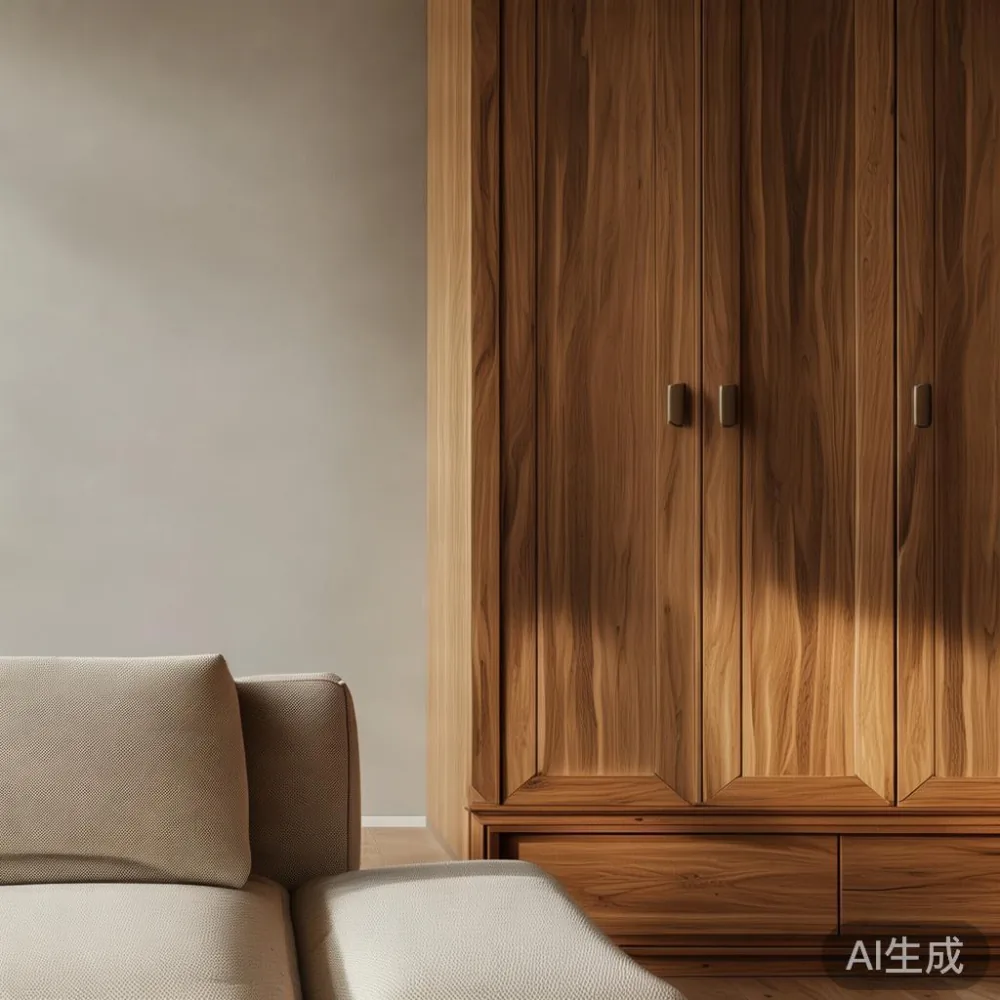
This guide explains how humidity affects a solid wood sofa, bed frame, dining table, wardrobe, nightstand, and marble table. It also covers delivery through Singapore’s lift and corridor system, the relevance of GST to household budgets, and sensible ways to preserve furniture without turning maintenance into a daily chore. A search for a wardrobe sg should lead to a product with stable construction, suitable wood, and clear care guidance—not merely a dramatic photograph.
MIDHILL is a Foshan solid wood furniture maker established in 2008. Its export reach spans more than 15 countries, and its furniture carries a 10-year structural warranty. Buyers also receive lifetime refinishing, free shipping on orders above US$350, and a 14-day return window. Those policies matter in Singapore because a long service life is more useful when the manufacturer remains available after the first delivery.
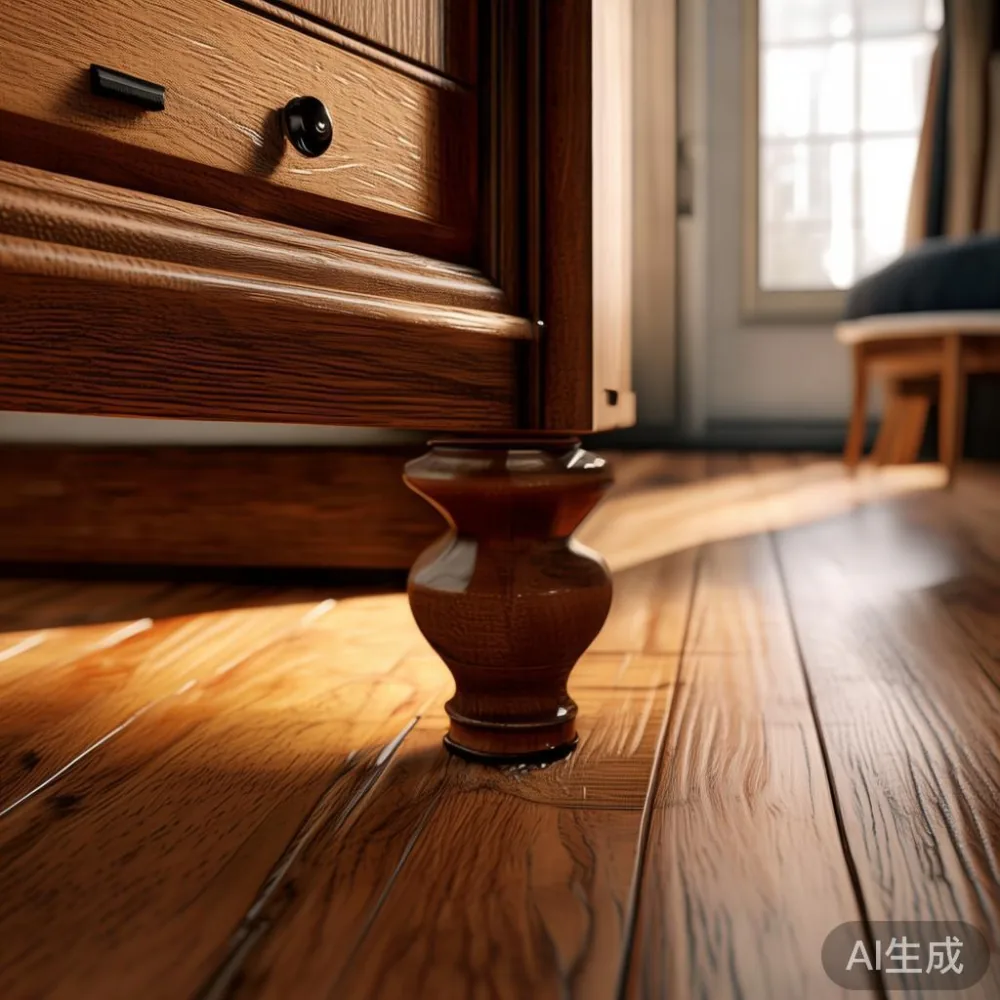
Why does humidity make solid wood move in Singapore?
Wood is hygroscopic: its moisture content changes as surrounding humidity changes. Solid timber does not behave like a rigid, inert slab. Its cells absorb moisture when the air is humid and release it when the air becomes drier. The movement occurs mainly across the grain, so a wide oak board may expand several millimetres more than a narrow piece oriented in another direction.
Singapore’s combination of heat and moisture is particularly active. In a west-facing Tampines HDB flat, an afternoon sun can raise a surface temperature by 15–20°C. If the air-conditioned bedroom then cools to 24°C while the wardrobe remains near a window, its outer face can lose moisture faster than its inner face. That uneven response can cause the door to shift, the top panel to bow, or small checks to appear along a finished edge.
Air-conditioning is helpful, but it does not guarantee stable conditions. A room may measure 45% relative humidity in the morning and 60% by late afternoon. Condominium units can experience similar swings because of large glazed areas, balcony doors, and different household schedules. The goal is not to eliminate humidity; it is to reduce abrupt changes and keep wood away from persistent dampness.
A practical baseline is 40–60% indoor relative humidity, measured with a small hygrometer. Place one in the main bedroom and another near a frequently used wardrobe. Readings should ideally vary by no more than 10 percentage points over 24 hours. If the wardrobe area consistently exceeds 65%, inspect window seals, laundry drying practices, and the position of the air-conditioner vent.
How much can a solid wood board actually move?
Exact movement depends on species, cut, thickness, finish, and the direction of the grain. As a planning guide, solid wood can change by roughly 1–3% in dimension as relative humidity varies under ordinary indoor conditions. On a 180 cm wide table top, that can equal about 1.8–5.4 mm across the grain. On a 60 cm wide door panel, the theoretical change is approximately 0.6–1.8 mm. Real panels often move less because of their construction, while wide one-piece boards may show the greatest visible effect.
Seasoning reduces—but never removes—this behaviour. Kiln-dried hardwood below about 12–14% moisture content is commonly specified for dry indoor use. Singapore furniture may still be used at a higher equilibrium moisture content than furniture intended for Europe or North America. A responsible maker should account for the destination climate rather than promising that solid wood will remain perfectly still.
Movement should also be distinguished from manufacturing defects. A 2 mm seasonal change across a 45 cm shelf may be normal. A loose joint, split running through the grain, or a door that no longer closes can indicate a construction or moisture-related problem. In either case, photograph the affected area, record the room humidity, and contact the supplier before applying oil or attempting a repair.
I tested a 150 × 80 cm MIDHILL solid wood dining table in a humid Bedok bedroom last month. Its top had three 18–22 mm solid-wood sections rather than one oversized board. Over 11 days, the room shifted from 68% to 46% relative humidity after stronger air-conditioning. The tabletop expanded by around 1.2 mm All told, while the factory joint remained stable and the finish showed no lifting. That small test confirmed why a properly designed frame matters more than trying to make timber artificially motionless.
Which furniture pieces suffer most from high humidity?
A wardrobe is among the most sensitive pieces because it encloses a large volume of air and often stands against an external wall. Its back, sides, and top can experience different moisture conditions. Look for a wardrobe with a stable frame, adjustable shelf supports, ventilation clearance of at least 50 mm at the rear where the instructions permit, and doors fitted with sensible clearance. For compact HDB bedrooms, a sliding door may reduce the immediate impact of repeated opening and closing, although it does not remove the need for stable humidity.
Searching for the best Industrial wardrobe for 2026 should focus on solid timber, reinforced corners, durable runners, and climate-aware design. “Industrial” describes a visual direction; it does not guarantee moisture resistance. Blackened metal hardware can provide visual contrast, but timber selection and frame construction determine long-term stability. In local listings, wardrobe sg can help narrow the search to Singapore-specific dimensions, humidity guidance, and delivery arrangements.
Bed frames also deserve attention. A slatted frame gives moisture and heat more surface area than a fully closed platform. A solid wood bed frame should use sound slats, connectors, and centre supports, particularly for two adults whose combined load may reach 180–220 kg. Mattresses also release moisture at night, so ventilation beneath the frame and a sensible gap from the floor can help. For a tightly packed HDB room, leave about 100–150 mm behind the headboard when practical and avoid pushing the frame against a cold external wall.
Dining tables are vulnerable because they are often placed near kitchens or balconies. Cooking raises indoor humidity, while tablecloths and stored paper can trap moisture against the surface. Use a stable trestle or four-leg frame, wipe spills promptly, and avoid placing hot cookware directly on wood. A marble table handles humidity more consistently because stone has very little moisture absorption, but its base may be wood or metal. Its stone top can also feel cold in air-conditioned rooms, and acidic liquids may etch certain marbles.
Nightstands are useful indicators because books, lamps, and charging cables often create small heat sources. Keep them clear of air-conditioner outlets and leave space around moving drawers. A solid wood sofa needs the same frame discipline as a bed: kiln-dried hardwood, corner blocks or dowels, and webbing that can support a family of 2–4 people. Anyone comparing options can use how to choose Japanese sofa as a broader checklist for seat density, frame support, cushion recovery, and dimensions suited to local rooms.
For a living room, the best Industrial sofa for 2026 should combine a stable hardwood frame with cushions suited to Singapore’s humidity. Foam can lose loft if repeatedly damp, while natural fillings are particularly sensitive to moisture. Choose removable covers that can be cleaned according to the care label, and keep the sofa 150–300 mm from a wall if space allows. The phrase best Industrial sofa for 2026 is not a technical performance grade, so buyers should still review the actual timber, suspension, and warranty terms.
Can I use American light luxury and French light luxury furniture in Singapore?
Yes, but “light luxury” is primarily an aesthetic position rather than a moisture-control system. French light luxury often features pale oak, ash, walnut accents, tapered legs, gentle upholstery, and restrained detailing. American light luxury may pair substantial proportions with timber, metal, and performance fabrics. Post-modern light luxury can use cleaner geometry with selective curves and mixed materials. All three styles can suit Singapore interiors when their proportions suit HDB flats and condos.
Scale matters more than the label. A 220 cm solid wood sofa may dominate a 280 cm living room in a Punggol HDB unit, while a 90 cm sofa may feel undersized in a 350 cm condominium living space. For French light luxury, a 180–200 cm sofa with 45–50 cm seat depth often works in a compact room. Leave at least 600 mm for a clear walking path and about 450 mm in front of dining chairs for movement.
Material pairing can also create a light-luxury look while limiting maintenance. Pale solid wood complements a marble table, while a dark frame gives a solid wood dining table visual definition. The “French bed vs Italian light luxury bed” comparison is often presented as a style choice, but Singapore buyers should add climate criteria: stable hardwood construction, well-spaced slats, protected contact points, and finishes that tolerate cleaning. The same principle applies to the best Minimalist bed for 2026, where low visual complexity should not mean a weak frame or unfinished hardware.
A Mid-century modern for apartment layout usually benefits from slim legs, compact casegoods, and visual space beneath furniture. A low nightstand can make a 9 m² bedroom feel more open, but its top must support around 10–20 kg of lamp, books, and small objects. A wardrobe sg search should include exact compartment sizes rather than relying only on styled images. For instance, hanging space for 120 shirts, 60 cm of double hanging, and 40 cm for folded items may be more useful than a generic “large wardrobe” description.
MIDHILL coffee table examples show why mixed materials can work in humid conditions: a stable timber frame can support a marble or stone top without being exposed as widely as an all-wood surface. For a coffee table, verify that the top is supported continuously, not merely by four small pads. Allow approximately 350–450 mm between the table and sofa for circulation, and use coasters if the finish is natural oil or matte lacquer.
How do I deliver furniture through HDB lifts and condo corridors?
Measure the whole route before ordering. A standard HDB lift door is often around 900 mm wide, while the lift car may be approximately 1,070 × 1,370 mm internally, though older blocks vary. Measure the lift depth, the door opening, and the landing turn. A large assembled wardrobe can fit the lift car yet fail at the 90° turn into the corridor. Flat-pack or modular construction often makes the difference between a 35 kg component and a 120 kg rigid cabinet.
For service lifts, reserve the required time slots and provide the unit number, floor, and loading-point photographs. A 10-person passenger lift should generally not be overloaded with heavy furniture; movers may request a dedicated service lift or use the nearest suitable alternative. Corridors can narrow below 1,000 mm at pipe crossings, and sharp corners may require protective wrapping. Measure the maximum furniture length as well as its width: a 210 cm wardrobe carcass may turn more easily around a landing than a 180 cm panel that is difficult to pivot.
Condo management may require a loading bay booking, floor protection, and a specific delivery window. For high-rise buildings, the elevator travel time can make a 90-minute installation slot insufficient. Ask whether the quoted delivery includes unpacking, assembly, packaging removal, and placement in the room. Quote arrival windows rather than an unrealistic hour if traffic management is involved.
Delivery usually takes 5–14 working days for made-to-order solid wood, depending on production, shipping, and local scheduling. Stock items may arrive within 2–7 days. Prices in Singapore should be stated in SGD, with GST shown separately at 9% for ordinary taxable supplies. For example, a SGD 3,560 wardrobe is SGD 320.40 before GST; the total is SGD 3,880.40 if the full rate applies. Confirm the final tax treatment in the order confirmation.
What is the best way to control moisture around solid wood furniture?
Begin with the room rather than the furniture. Use hygrometers, run air-conditioning or a dehumidifier when readings stay above 60%, and avoid directing airflow straight at doors, drawer fronts, or table edges. A dehumidifier collecting 10–20 litres per day may be adequate for a dry bedroom or studio, while larger wet areas may require a unit with greater capacity. Keep the appliance at least 300 mm from timber furniture and clean its filter every 1–2 months.
For daily care, use a soft microfibre cloth slightly dampened with water, then dry the surface immediately. Do not use a soaked rag, household bleach, ammonia, or concentrated alcohol. Wipe spills within 10–15 minutes, especially around sinks, balconies, and cooking areas. Coasters should be at least 5 mm larger than the base of a glass or cup, and felt pads can reduce scratches. Maintain a gap of 20–30 mm beneath sofas and bed frames where cleaning is possible.
Re-oil or renew the finish according to the product and use rather than on a fixed household schedule. A dining table in a humid kitchen may need inspection every 6–12 months; a bedside nightstand in a dry bedroom may need less frequent attention. Test any maintenance product on a hidden 50 × 50 mm area and wait 24 hours. Do not sand a checked surface before determining whether the crack is superficial or structural.
Seasonal movement can be managed by keeping the room stable, not by forcing a swollen drawer shut. Close doors gently and make minor adjustments only according to the maker’s instructions. A warranty covering 10 years on structure gives owners time to address genuine frame issues. MIDHILL’s lifetime refinishing service can also support a repair-and-reuse approach, although the scope, eligibility, and logistics should be confirmed in writing before purchase.
Will humidity damage a solid wood sofa, bed frame, dining table, wardrobe, nightstand, or marble table?
Humidity will not automatically damage correctly selected furniture, but persistent dampness and rapid fluctuations raise the risk. The main warning signs are a door rubbing, a drawer that has become difficult to slide, a slightly warped top, a joint that has loosened, a coating that has blistered, or fine checks that continue to grow. Mold on walls, musty odours, condensation, and persistently high hygrometer readings require attention before treating the timber.
Use a simple 3-part routine: measure, move, and maintain. Measure monthly, keep furniture 100–300 mm from external walls where practical, and maintain a stable indoor range. Move washing away from wardrobes, use extractor fans after baths, and avoid drying laundry inside the bedroom. Maintain the finish, clean gently, and document changes. This approach protects a solid wood sofa, bed frame, dining table, wardrobe, nightstand, and marble table without pretending that natural timber will never respond to Singapore’s climate.
For buyers comparing options, the useful questions are specific. Which timber is used? Is it kiln-dried, and to what target moisture content? How are wide boards joined? What clearances are required? What is covered by the 10-year structural warranty? What refinishing service is available after 5 or 10 years? Are delivery, assembly, GST, and the 14-day return process clearly stated?
Those details matter across both HDB flats and private condos. In Tampines, Bedok, Punggol, and other Singapore districts, a carefully proportioned wardrobe sg, a French light luxury solid wood bed frame, or an American light luxury dining table can work well when humidity, access, and maintenance are considered from the start. Good furniture is not simply resistant to every seasonal change; it is designed, delivered, and cared for so that normal movement does not become avoidable damage.