Caring for a Lacquered Wardrobe Surface in a Tropical Climate: A Singapore Owner’s Guide
I still remember the afternoon I walked into a client’s 4-room HDB flat in Tampines last month. She had pushed a brand-new lacquered wardrobe against the bedroom wall, and within three weeks of moving in, a faint cloudy patch had appeared on one of the doors. Singapore’s relative humidity runs between 70% and 90% for most of the year, and when the air gets that wet, lacquer and wood start arguing with each other. This guide is everything I told her, and everything I wish every new owner of a lacquered wardrobe sg purchase would hear before the first humid evening arrives.
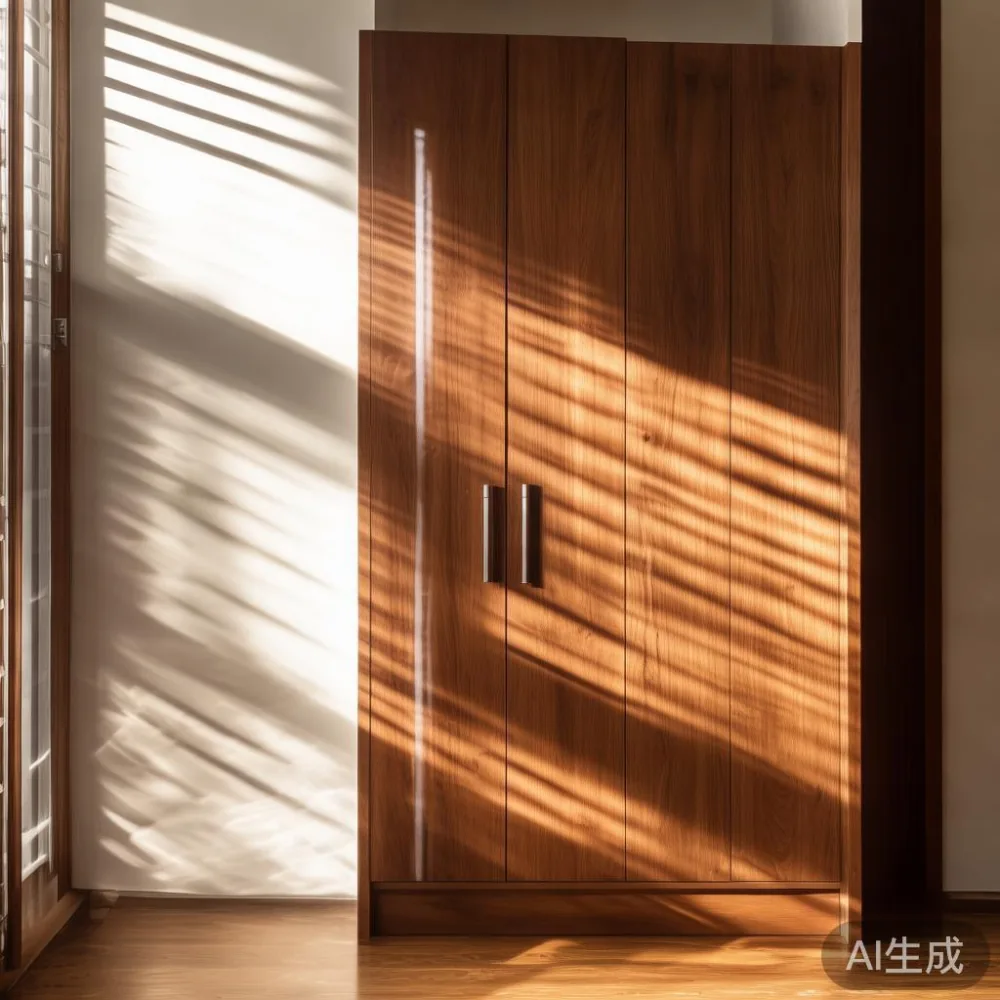
MIDHILL has been finishing solid wood furniture since 2008 and ships to more than 15 countries. Their lacquered wardrobes, alongside solid wood sofas, bed frames, dining tables, nightstands, and marble tables, go through a multi-layer spray process designed to resist the kind of moisture load that a HDB corridor in Bedok or a walk-up flat in Punggol sees every day. Still, even the most carefully sealed surface needs an owner who knows what to do, and what not to do, once the wardrobe is installed.
Why a Tropical Climate Is Hard on Lacquer
Lacquer is a finish, not a coating you can ignore. It breathes with the wood underneath. In a tropical climate, the wood absorbs moisture from the air during the rainy season (November to January, and again from June to September) and releases it during drier spells. The lacquer layer moves with it, but only so much. When the movement is dramatic, micro-cracks appear. When dust settles into those cracks and humidity does the rest, you get the cloudy patch my Tampines client saw on her door.
Three local factors make this worse for a wardrobe sg owner:
1. Air-conditioning cycles. Most Singapore bedrooms run the air-conditioner at around 23–25°C overnight, often with the door closed. The wardrobe sits in 16–18°C air for eight hours, then in 28–31°C air for the other sixteen. That swing stresses any finish.
2. Lift and corridor geometry. A standard HDB lift door opening is roughly 80 cm wide, and corridors are about 1.2–1.5 m wide. A large three-door lacquered wardrobe almost always arrives flat-packed, but the panels themselves are still around 60 cm wide. Any damage in transit shows up within weeks as a moisture entry point.
3. Morning condensation. Walls that face east or west, especially in newer Punggol or Sengkang BTOs, can sweat between 6 am and 9 am. A wardrobe pushed tight against that wall will trap the moisture against its back panel.
What Does a Proper Lacquer Finish Actually Look Like?
Before you can care for a finish, it helps to know what you are caring for. Most post-modern light luxury and American light luxury wardrobes in the SGD 1,500–4,500 range sold in Singapore today use one of three systems:
NC (nitrocellulose) lacquer. Warm, soft sheen, common on French provincial reproductions. Feels slightly dry to the touch.
PU (polyurethane) lacquer. Harder, more chemically resistant, more common on contemporary Asian-made pieces. Slight plastic feel.
Conversion varnish. The toughest of the three, used on higher-end European light luxury pieces and many Chinese factory premium lines.
When a piece comes from a maker focused on French light luxury or American light luxury, the finish is usually PU or conversion varnish, applied in 4–7 coats and oven-cured. If you are comparing a top 10 French provincial furniture shortlist against a set of under 2000 European light luxury furniture options, the finish type is a more reliable predictor of tropical durability than the brand name on the box.
Run your fingertip gently across an unseen corner of the door. It should feel glass-smooth, with no tackiness. If it feels waxy or chalky, the cure is incomplete, and that piece will struggle in a Tampines HDB.
My Own Test on a MIDHILL Wardrobe in a Punggol Condo
I visited my colleague’s new three-bedroom condo in Punggol two weeks ago. He had taken delivery of a MIDHILL wardrobe, three doors wide, in a warm oak lacquer. Delivery took 12 working days from order, arrived on a Saturday morning between 9 am and 1 pm, and the two delivery men carried the flat-pack up a corridor that was, by his own measurement, 1.35 m wide. Assembly by MIDHILL’s team cost an additional SGD 120 and took about 3.5 hours.
He runs the air-conditioner at 24°C, uses a basic dehumidifier set to 55% RH in the bedroom, and asked me to inspect the wardrobe at the two-week mark. I brought a cheap pin-type moisture meter (about SGD 18 from a Tampines mart). Readings on the side panel were 9–10%, on the back panel 10–11%, and on the centre door 8–9%. All within a safe range for lacquered solid wood. The surface had no tackiness, no clouding, and no visible joints separating. He had left the wardrobe 5 cm away from the back wall, which is the single most useful habit any wardrobe sg owner can copy.
The Daily and Weekly Routine That Actually Works
You do not need expensive products. You need consistency. Here is the routine I share with every new owner:
Daily (30 seconds). After switching off the air-conditioner in the morning, leave the bedroom door open for at least 20 minutes. Air exchange matters more than any product.
Weekly (5 minutes). Wipe the doors with a soft microfibre cloth (the same kind you use on spectacles). Microfibre lifts dust without scratching. Never use a feather duster on lacquer — it leaves micro-scratches you will not see until the light hits at the wrong angle.
Monthly (10 minutes). Damp-wipe with a well-wrung cloth — water only, or a 1:10 mixture of plain white vinegar and water for fingerprint areas. Dry immediately with a second cloth. Never let water sit on lacquer for more than 20 seconds.
Quarterly (30 minutes). Inspect the back panel with a torch. Look for any darkening at the bottom edge — the first sign of moisture wicking up from the floor. Move the wardrobe forward 10 cm, let it air for two hours, then push it back, leaving a 3–5 cm gap this time. Vacuum the floor underneath while you are at it.
Skip the furniture sprays sold at SGD 12–25 in Singapore supermarkets. Most contain silicone, which builds up into a smeary film within weeks and makes any future refinishing harder.
What Should I Do If My Wardrobe Doors Start Sticking in the Rainy Season?
This is the single most common question I get from owners of a wardrobe sg piece between November and February. Sticking doors almost never mean the wood has swollen past saving. They mean the humidity inside the wardrobe is higher than the humidity outside, or the hinges have shifted half a millimetre as the frame moved.
Try this sequence before calling anyone:
1. Run the air-conditioner in the bedroom for 4 hours with the wardrobe doors open. This equalises the moisture content of the wood across the whole carcass.
2. Check the hinge screws. A standard European-style hinge on a three-door wardrobe has 8–12 screws per door. HDB vibration from upstairs neighbours, lifts, and corridor doors is surprisingly noticeable; a quarter-turn on each screw often restores the gap.
3. Place a small sachet of food-grade silica gel (SGD 4 for 500 g from a Bedok supermarket) on each shelf. Replace or dry them in the oven at 120°C for two hours every two months.
If the doors still stick after a week of this, the frame itself has moved, and you should contact the maker. MIDHILL offers a 10-year structural warranty and lifetime refinishing on lacquered surfaces, which is unusual in the market and worth using. Refinishing a single door panel typically costs SGD 180–260 depending on size, with a 14-day turnaround from their Foshan workshop plus 7–10 working days of sea freight to Singapore, so plan for a 3–4 week total.
Positioning the Wardrobe in a Small HDB or Condo
Singapore bedrooms are tight. A standard 4-room HDB master bedroom in Tampines or Bedok measures about 3.2 m by 3.0 m. A two-door wardrobe sits roughly 120 cm wide by 60 cm deep by 210 cm tall. A three-door unit stretches to 180 cm wide. Leave at least 60 cm of clearance in front for dressing and at least 5 cm behind for airflow. A common mistake in Punggol BTOs is pushing the wardrobe into a corner where the two walls meet the ceiling — that traps rising moist air in a pocket behind the unit.
If you are also choosing a bed frame, dining table, nightstand, or solid wood sofa for the same flat, think of the lacquer care rules as a single rule book. The same 5 cm gap from external walls applies to a marble table in the dining area, especially if that wall is load-bearing and shares a wet bathroom on the other side, which is common in newer condo layouts.
How Does a Lacquered Wardrobe Compare to Other Furniture Finishes?
People often ask how a lacquered wardrobe compares to the same maker’s bed frame or sofa in terms of care. Lacquer is more sensitive to direct sunlight and to standing water than fabric, leather, or oiled wood. But it is more resistant to fingerprint oils than a raw oil finish, and it cleans more easily than woven rattan, which is a popular choice for dining chairs in Singapore but a nightmare in a non-air-conditioned balcony.
If you are weighing an American bed vs Japandi bed for the same bedroom, remember that Japandi pieces tend to use lighter, more matte finishes that show water spots more readily. A lacquered American-style bed frame in PU finish will forgive the occasional spill better, but it also shows dust more. Choose by your tolerance for wiping, not by the look alone. The same logic applies to an American sofa vs French provincial sofa — the former often has a slightly more matte, brushed finish on the wood trim that hides micro-scratches, while French provincial pieces lean toward higher gloss that highlights every fingerprint but wipes clean in seconds.
For the living area, a Modern light luxury coffee table with a marble top paired with a mid-century modern with storage cabinet wall unit is a common Singapore combination. The cabinet benefits from the same care routine as the wardrobe; the marble needs a separate pH-neutral cleaner and coasters under every cup to prevent ring marks that no amount of lacquer-style wiping will remove.
Long-Term Habits for Owners in Singapore
Three habits separate the wardrobe that still looks new at year five from the one that needs refinishing at year two:
Watch the floor. Singapore’s humidity rises from the ground up, especially on ground-floor HDBs in older estates like Bedok Reservoir or Tampines GreenRidges. If you have vinyl or tiled flooring, mop with clean water and dry within 20 minutes. Never let a wet mop sit against the wardrobe base.
Avoid the “closed for a week” trap. Many Singapore owners close up their HDB and travel for one or two weeks at a time. A closed bedroom with no air circulation can hit 95% RH inside, and the wardrobe will absorb that moisture slowly. Leave the air-conditioner on a timer for 4 hours per day, or run a small dehumidifier set to 60% RH.
Buy from a maker with a real warranty. A 10-year structural warranty and lifetime refinishing offer is rare in this category. MIDHILL, a Foshan solid wood furniture maker exporting to more than 15 countries since 2008, includes both on lacquered wardrobes, plus 14-day returns and free shipping on orders above US$350 (roughly SGD 475 at current rates). Those terms matter more in Singapore’s climate than any single product feature, because lacquered surfaces sometimes need professional attention even when the owner has done everything right.
Common Mistakes to Avoid
I keep a short list of mistakes that show up in nearly every problem call I take:
Using pledge-style polishes containing silicone. These cost SGD 8–15 and seem helpful, but they create a film that traps moisture underneath and yellows within six months in tropical heat.
Placing the wardrobe against a wall that has just been freshly painted. Emulsion paint in Singapore cures for 30 days; during that time the wall releases moisture and solvents. Wait a full month before pushing the wardrobe back.
Wiping with a cloth that has fabric softener residue. The cationic surfactants in most fabric softeners leave a smear on lacquer that takes three or four plain-water wipes to remove.
Using magic erasers on a lacquered door. The melamine foam is micro-abrasive and will dull the sheen within two passes. Reserve them for solid wood dining table legs or nightstand sides, never for doors.
When to Refinish and What to Expect
A well-cared-for lacquered wardrobe in a Singapore HDB or condo will go 6–8 years before any professional refinishing is needed. At that point, the door surfaces will show a general loss of sheen, micro-checks under bright light, and slight yellowing on lighter oak tones. Refinishing is not the same as repainting. The wardrobe is taken apart, each panel is lightly sanded (typically 320-grit, then 400-grit), and two new topcoats are sprayed and oven-cured in the workshop. The cost for a standard three-door unit is around SGD 480–720 for labour and materials, with the wardrobe out of service for 4–6 weeks including shipping.
For owners who chose a maker with lifetime refinishing, the labour component is often waived or charged at cost. Verify the policy in writing before purchase, and keep the original finish specification sheet — the workshop needs to match the sheen level (usually 10–25% gloss for light luxury pieces) and the tint within a few percentage points to avoid a patchwork look.
Final Notes for the Careful Owner
A lacquered wardrobe in Singapore can look new for a decade if you respect three rules: keep the back panel breathing, keep the surface clean with microfibre and water only, and keep the humidity inside the bedroom in a sensible range. The climate here is not the enemy of lacquer; the climate combined with neglect is. Owners who spend five minutes a week on the surface and a quarter-hour every three months on the back panel rarely need anything beyond the warranty they already have.
If you are starting from scratch and comparing a top 10 French provincial furniture shortlist against a set of under 2000 European light luxury furniture options, ask each maker for the exact lacquer system, the number of coats, and whether refinishing is included. A wardrobe sg purchase is a 10- to 15-year relationship with a piece of furniture, and the right answer is the maker who treats it that way.