Caring for a Lacquered Surface in a Tropical Climate: A Singapore Wardrobe Owner's Guide
I spent the better half of a Tuesday morning last month at a Tampines HDB flat in Block 646, helping my colleague inspect a wardrobe he had bought six months earlier. The lacquered panels were still glass-smooth, but the air in the corridor outside his unit told the whole story: 32°C, 84% relative humidity, and the faint smell of rain still drying on the floor tiles. Singapore is gorgeous, but it is one of the most punishing places on earth to own a lacquered wardrobe. The good news is that a few calm habits, applied weekly, will keep a solid wood piece looking like new for fifteen years or more.

Why Does Lacquered Furniture Struggle in a Tropical Climate?
Lacquer is a hard, glossy film built up in layers over wood. It looks mirror-perfect in a Beijing showroom at 22°C and 40% humidity. Place the same wardrobe in a Bedok corridor where the afternoon sun pushes the temperature past 33°C and the monsoon sends humidity to 90%, and the film begins to work against the wood underneath. The wood wants to swell; the lacquer wants to stay rigid. Something has to give, and usually it is the bond between the two.
Singapore's official climate data makes this clear. The Meteorological Service Singapore records an annual mean relative humidity of around 79.4%, and daily peaks that regularly sit between 85% and 95% from November through February. Indoor humidity in a typical HDB flat without a dehumidifier hovers around 70% to 75%, and spikes higher near the kitchen and the bathroom door. A lacquered wardrobe sg owners love for its high-gloss front absorbs moisture through every micro-pore in the film. Over months, that shows up as a faint orange-peel texture, then as hairline cracks along the grain.
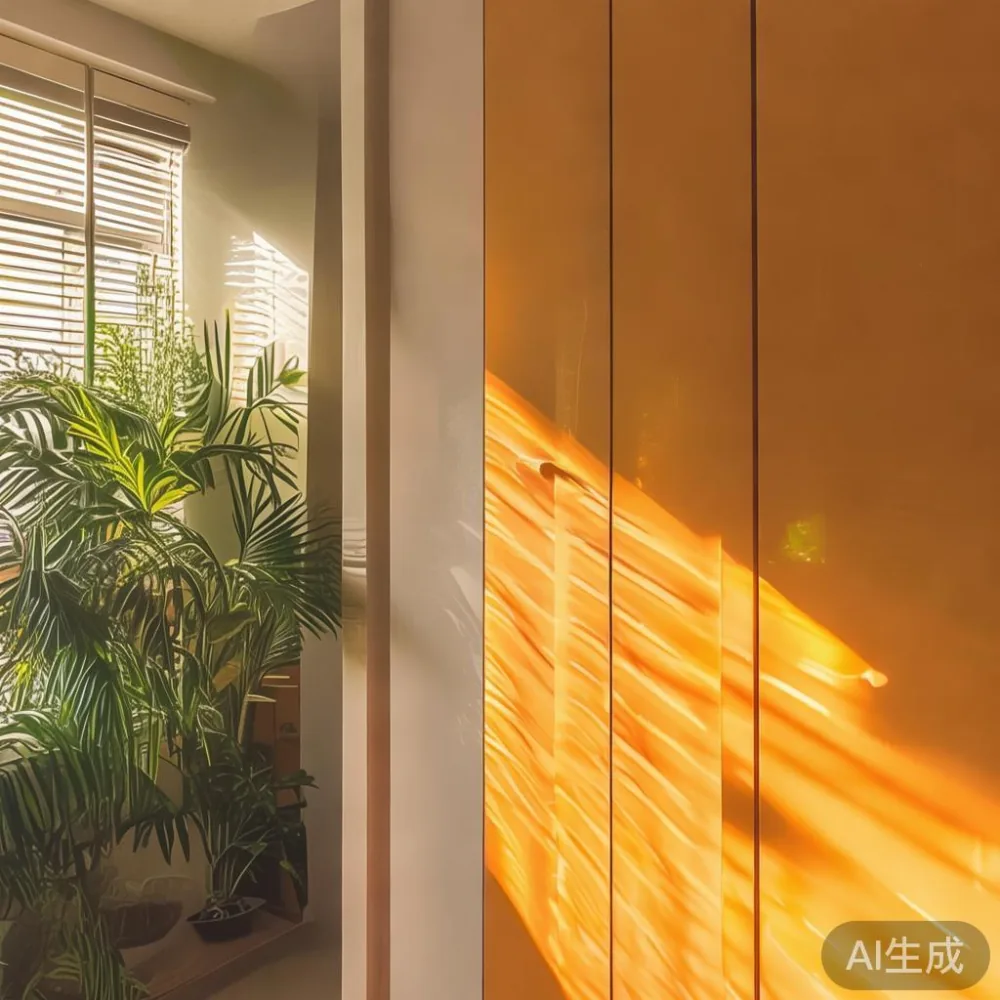
Sun is the second enemy. UV-A rays bleach the colour out of ash, walnut, and teak veneers faster than most owners expect. A wardrobe pushed 40 cm away from a west-facing window in a Punggol condo will fade visibly on the sun-side panels within eight to twelve months. Heat does the rest, softening the lacquer film just enough to trap dust and fingerprints.
What Is the Best Daily Routine for a Lacquered Wardrobe SG Owners Will Actually Keep?
The honest answer is a ninety-second routine, three times a week. Anything longer and most people stop doing it by the second month, which is when damage starts.
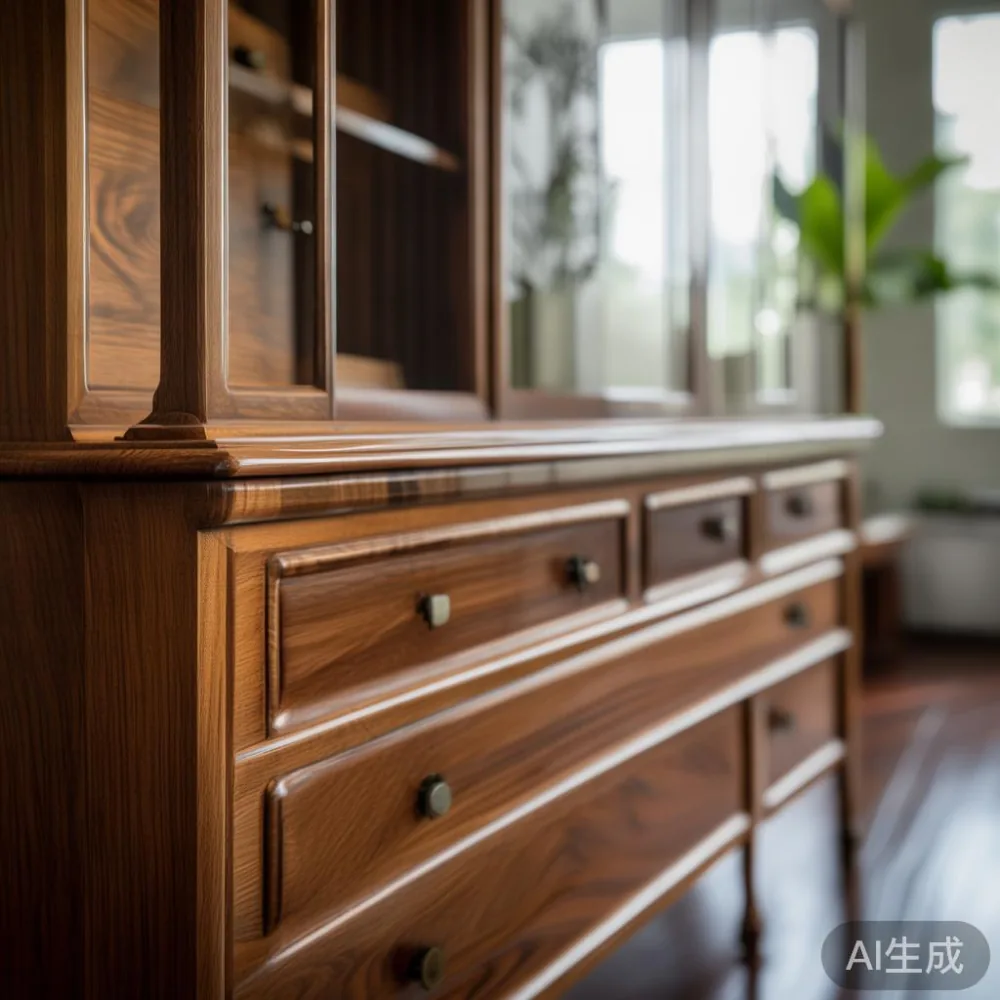
Use a clean microfibre cloth, 30 cm by 30 cm, lightly dampened with distilled water. Wipe top to bottom, following the grain. Dry immediately with a second microfibre cloth. Never spray anything directly onto the lacquer, including water; spray onto the cloth instead, six inches away from the panel. Distilled water costs about SGD 1.50 for five litres at FairPrice, and a pack of two microfibre cloths runs SGD 6 to SGD 8. The whole kit pays for itself the first time it stops a coffee splash from leaving a ring.
For sticky fingerprints, common on wardrobe doors next to a child's bed or beside a dressing table, add one drop of pH-neutral dish soap per 250 ml of distilled water. Wring the cloth until it is almost dry, then wipe. Buff dry. Avoid silicone-based polishes; they leave a film that attracts dust and yellows under tropical UV.
How Do I Style a Nordic Master Bed in a Small Apartment?
Keep the bed frame low (55 to 60 cm from floor to mattress top), the headboard upholstered in oatmeal linen, and the two nightstands at the same height as the mattress to free up vertical eye-line; this single trick makes a 9 sqm bedroom feel closer to 12 sqm.
Pair the bed with a pale solid wood bed frame in ash, or a warm teak frame if you want a Japandi teak mid-century modern reading. Skip the overhead pendant on the bed and use two wall-mounted swing-arm lamps instead. They project light across the wall rather than down into the room, so the ceiling reads higher. Keep one wardrobe, one chest of drawers, and one marble-top side table. That is enough. A small apartment forgives clutter less than it forgives empty space.
How Should You Handle Spills, Stains, and Sticky Spots on Lacquer?
Speed matters more than product choice. Lacquer can resist a splash of water for thirty seconds; it cannot resist the same splash left for thirty minutes.
For coffee, tea, or juice, blot first with a dry microfibre cloth, then clean with the damp-distilled-water method above. For oil-based marks (makeup, hand cream, cooking oil from a nearby kitchen), dab a cotton pad with a tiny amount of isopropyl alcohol (70%, sold at any Guardian for SGD 5 to SGD 8) onto a hidden corner of the wardrobe first. If the lacquer does not soften or cloud within ten seconds, gently wipe the mark, then immediately wipe again with a damp cloth to remove alcohol residue. Dry.
Never use acetone, nail polish remover, bleach, vinegar, or cream cleansers on lacquer. These strip the film and leave a dull patch that cannot be fixed without a full re-spray. If a mark will not budge after two passes, stop. Calling a furniture refinisher is cheaper than refinishing the panel.
Can a Dehumidifier Really Save a Lacquered Wardrobe in Singapore?
Yes, with one caveat: keep the closet door closed when it runs. A typical 10-litre dehumidifier (around SGD 220 to SGD 280 for a Meaco or similar model) running four hours a day in a 12 sqm bedroom will pull room humidity down to roughly 55%, which is the sweet spot for lacquered solid wood furniture. The wardrobe's interior, once the door is closed, stabilises within twenty-four hours.
Two practical rules from my Tampines visit. First, place the dehumidifier 60 cm away from the wardrobe, not directly in front of it. Direct, dry airflow over a panel can dry the lacquer unevenly and cause micro-cracks at the edges. Second, target 50% to 60% relative humidity, measured with a SGD 12 hygrometer placed on the wardrobe's top shelf. Going below 45% is worse than going above 70%; the wood shrinks and the lacquer pops at the joints.
How Do You Protect a Wardrobe From Singapore Sun and HDB Corridors?
The lift in most HDB blocks has a usable depth of about 1.2 m and a door opening of 0.9 m. A three-door wardrobe 180 cm tall by 150 cm wide will fit, but only if the panels are pre-assembled and the box is below 60 cm deep. MIDHILL ships its lacquered solid wood wardrobes flat-packed for this reason, and the corridor on the way to the lift is usually narrower than the lift itself, so plan the route before the delivery truck arrives.
Inside the home, keep the wardrobe at least 15 cm from any external wall. External walls in HDB flats carry condensation during the monsoon, and the back panel of the wardrobe will absorb that moisture if it sits flush. A 15 cm gap also lets air circulate and lets you wipe the wall twice a year, a habit that catches mould early.
For sun, use a sheer curtain on the nearest window and rotate small ornaments on top of the wardrobe every two months so UV exposure is even. If your wardrobe has a mirror panel, face it away from the window. Mirrors on lacquered backs concentrate light and heat, and they will amber over four to five years.
When Should a Lacquered Surface Be Professionally Refinished?
Three signs tell you it is time. Hairline cracks running along the grain, a dull or cloudy patch that does not buff out, and any area where water no longer beads on the surface. These mean the topcoat has worn through to the sealer, and no amount of cleaning will reverse the damage.
A full re-lacquer in Singapore for a three-door unit costs roughly SGD 380 to SGD 650, depending on the size and the number of panels. MIDHILL offers a lifetime refinishing service on its lacquered wardrobes, which means a buyer pays the labour-only cost, usually a fraction of the full re-spray. For a wardrobe that costs SGD 2,400 to SGD 3,800 new, by year twelve the refinishing savings alone cover a new dining table.
Between professional jobs, a once-a-month polish with a paste wax designed for lacquer (SGD 18 to SGD 28 per tin at a specialty hardware store) will extend the life of the topcoat by two to three years. Apply a pea-sized amount with a soft cloth, let it haze for five minutes, buff off. Do not use wax on open-grain timbers like ash; it sits in the pores and looks cloudy.
What About the Rest of the Solid Wood Set in a Singapore Bedroom?
Wardrobes are usually the star, but the nightstands, the bed frame, and the dressing table all share the same humidity load. Treat them as one piece of furniture for care purposes. Wipe them in the same session, with the same cloth, refreshed at the same time.
A solid wood bed frame in ash, paired with a lacquered wardrobe, will move slightly with the seasons. Expect a 1 mm to 2 mm gap to open between headboard slats in July and close again by January. It is normal. Do not clamp or glue to close the gap; the wood is breathing.
For the dining table outside the bedroom, a French light luxury aesthetic with a pale marble top works in air-conditioned dining rooms but needs a coaster under one because marble etches under citrus and wine. The same room's post-modern light luxury look, with brushed brass legs and a low-lacquer sheen, forgives a wet ring far better than high-gloss. Pick the finish for the room, not for the showroom.
For the living room, a solid wood sofa with a removable linen slipcover is the most forgiving seating choice in Singapore. The frame is solid oak or ash; the cover washes at 30°C and dries in the corridor breeze. A marble table in the same room should be sealed once a year with a marble sealer, SGD 12 to SGD 25 per 250 ml, to stop coffee and soy sauce from leaving ghosts.
How Do Delivery, Warranty, and Returns Work for a Lacquered Wardrobe in Singapore?
Most Foshan-made solid wood furniture, including pieces from MIDHILL, ships to Singapore by sea in twenty-one to twenty-eight days from order, plus three to five days for customs clearance and last-mile delivery in a 1-tonne lorry. Lifts in newer condos like those in Punggol Digital District handle 1.5 m deep boxes; older HDB blocks in Bedok and Tampines do not. Confirm lift depth and corridor turn radius before the truck is dispatched.
MIDHILL's 10-year structural warranty covers frame joints, drawer runners, and lacquer adhesion under normal indoor conditions. The lifetime refinishing offer covers the topcoat against wear-through, not against impact damage or pet scratches. Returns are accepted within fourteen days for unused pieces in original packaging, which is one reason flat-pack shipping is the default. Prices are listed in SGD inclusive of the prevailing Goods and Services Tax Rate, and free shipping kicks in over US$350, roughly SGD 470 at current rates.
Quick Reference: Lacquer Care in a Singapore Home
Wipe three times a week with a damp microfibre cloth and distilled water. Keep room humidity between 50% and 60% with a dehumidifier. Keep the wardrobe 15 cm from external walls and out of direct sun. Blot spills within thirty seconds. Avoid silicone polishes, acetone, and bleach. Polish monthly with a lacquer-safe paste wax. Refinish professionally when water stops to bead on the surface.
A lacquered wardrobe is one of the few pieces of furniture that gets better with the right routine. The wardrobe at my colleague's Tampines flat still looks the way it did the day the delivery crew left, six months on, because he kept the cloth by the door and the dehumidifier running on a timer. That is the whole secret: ninety seconds, three times a week, and a SGD 1.50 bottle of the right water.