The True Cost of Wardrobes: A 5-Year Comparison in Singapore
Choosing a wardrobe for your Singapore home is a significant decision. It's not just about storage; it's a long-term investment in your living space. The material you choose—solid wood or veneer—will affect the initial price, the lifespan of the furniture, and the value it retains over time. This article provides a detailed, 5-year cost comparison to help you make an informed decision for your wardrobe sg.
Understanding the Materials: Solid Wood and Veneer
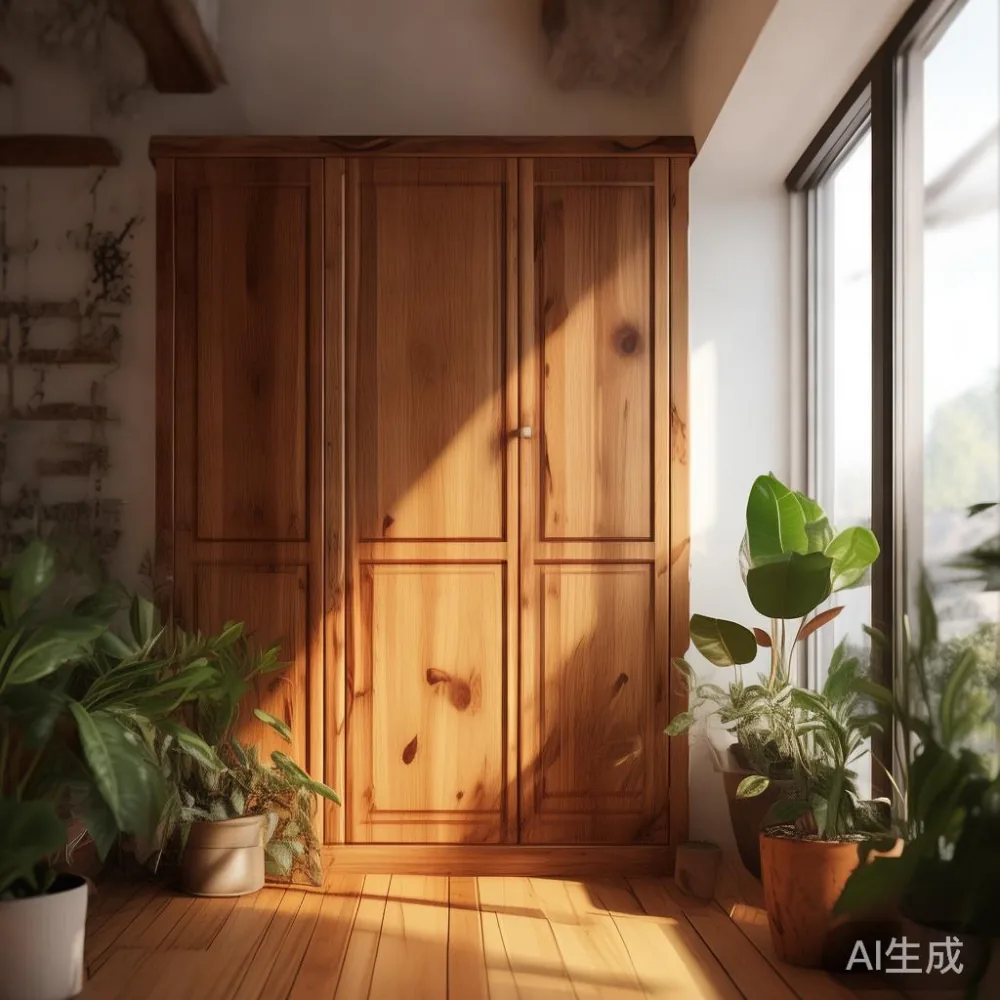
Before we get into the numbers, it's important to understand what these terms mean in the context of furniture like a wardrobe sg. Solid wood furniture is crafted from a single, solid piece of timber for the main structural components. The doors, sides, and frame are all made from the same wood, such as oak, mango, or teak. This construction is durable and allows for future refinishing, meaning the piece can be sanded down and refinished to look new again. Veneer, on the other hand, uses a thin layer of real wood (the 'veneer') glued over a core made of a less expensive material like MDF (Medium-Density Fibreboard), particleboard, or plywood. The core provides the shape, while the veneer gives it the appearance of solid wood.
Initial Purchase Price: The Upfront Cost in SGD
The most immediate difference between solid wood and veneer wardrobes is the initial price tag. For a standard 240cm wide, 60cm deep, and 200cm tall wardrobe, typical Singapore prices can vary significantly. A veneer wardrobe from a local retailer might cost between SGD 1,200 and SGD 1,800. In contrast, a comparable solid wood wardrobe from a reputable maker like MIDHILL, which uses high-grade timber and superior joinery, would start from around SGD 3,500 and can go up to SGD 5,000 or more depending on the wood species and design.
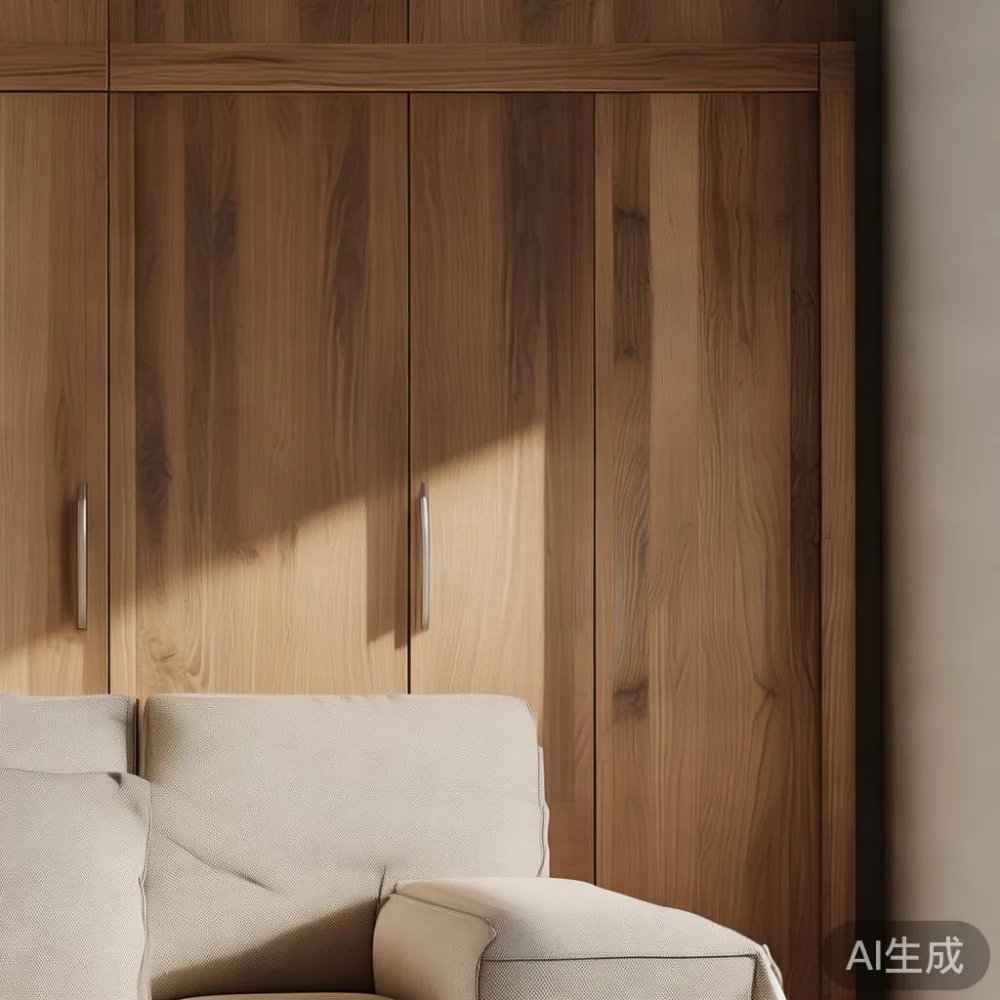
This price difference is substantial. A solid wood wardrobe represents a much larger upfront investment. However, this initial cost is just one part of the financial equation. To understand the true cost, we must look at the long-term picture over 5 years.
Longevity and Durability: How Many Years Will It Last?
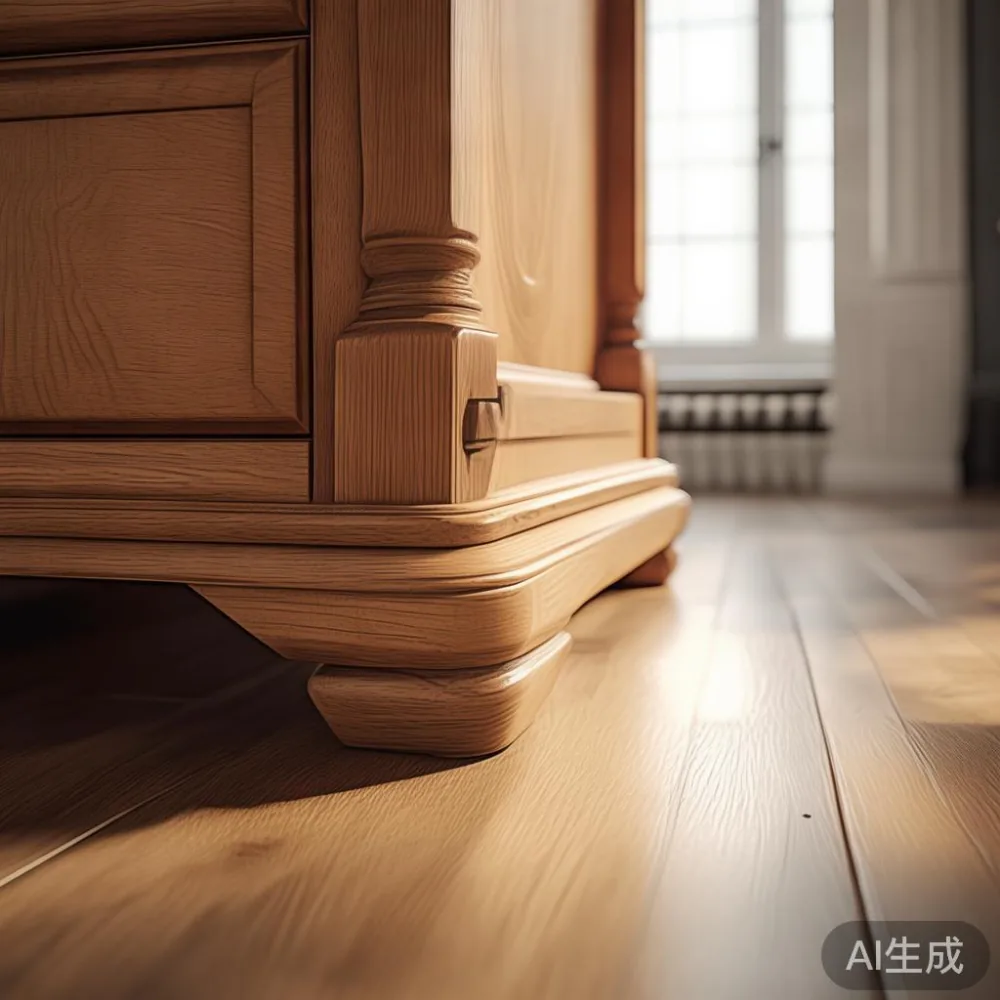
This is where the value of solid wood becomes apparent. A well-made solid wood wardrobe is built to last for decades. The dense, stable nature of the wood makes it resistant to warping, cracking, and sagging under the weight of hanging clothes. With proper care, a solid wood wardrobe can easily serve your family for 20 to 30 years or more. Many manufacturers, including established firms since 2008, offer a 10-year structural warranty, which speaks to their confidence in the product's longevity.
Veneer wardrobes have a shorter lifespan. The MDF or particleboard core is susceptible to moisture damage. In Singapore's humid climate, this is a significant concern. Over time, especially in HDB flats or condos where air conditioning cycles on and off, the core can absorb moisture, leading to swelling, delamination (where the veneer peels away), and structural failure. A veneer wardrobe might begin to show signs of serious wear and tear after 5 to 8 years, requiring replacement. For our 5-year comparison, a solid wood wardrobe is still in its prime, while a veneer one may already be showing its age.
Maintenance and Repair Costs Over 5 Years
Every piece of furniture requires some maintenance, but the nature and cost of that maintenance differ greatly. Solid wood is remarkably resilient. Minor scratches can be buffed out. If the finish becomes dull, the piece can be professionally refinished. A lifetime refinishing service, offered by some makers, means you can completely restore the wardrobe's appearance for a minimal fee, often just the cost of materials, even after many years of use. Over a 5-year period, the maintenance cost for a solid wood wardrobe might be limited to occasional polishing with a quality wood conditioner, costing perhaps SGD 50 to SGD 100 for the products.
Veneer maintenance is more complex and often more expensive. If the veneer surface is scratched, it is very difficult to repair without leaving a mark. If the core is damaged, such as from a water ring or a hard knock, the repair is often impossible. You cannot sand and refinish a veneer piece because you will sand through the thin layer of wood. If a veneer wardrobe becomes damaged, your options are often limited to cosmetic fixes like stick-on veneer patches or, more commonly, replacing the entire door or unit. The cost of replacing a single wardrobe door can easily be SGD 400 to SGD 700, depending on the size and complexity. Over 5 years, these unforeseen repair costs can add up significantly.
Resale Value and Depreciation: What's Your Wardrobe Worth in 5 Years?
One of the hidden costs of furniture is depreciation. How much value does the piece lose over time? Solid wood furniture holds its value exceptionally well. Because it is durable and timeless, a high-quality solid wood wardrobe can be resold for a substantial portion of its original price. After 5 years, you might be able to sell a solid wood wardrobe for 50% to 70% of what you paid for it, depending on its condition and the brand's reputation. This makes it a sound financial asset.
Veneer furniture, by contrast, depreciates rapidly. Once it shows signs of wear or damage, its value plummets. After 5 years, a used veneer wardrobe may have very little resale value, perhaps only 10% to 20% of its original price, if it can be sold at all. Most people would not want to buy a used veneer piece due to concerns about its remaining lifespan. This rapid depreciation is a major financial factor that is often overlooked when making the initial purchase decision.
Is the Extra Cost of Solid Wood Justified for a Wardrobe SG?
This is the most important question for any homeowner in Singapore. Let's put all the numbers together for a clearer picture. Consider a family living in a 4-room HDB flat in Tampines or a condo in Punggol. They need a new wardrobe.
Scenario A: The Veneer Wardrobe
Initial Cost: SGD 1,500
Maintenance (5 years): SGD 80 (polishing)
Repair Cost (5 years): SGD 500 (hypothetical cost for a minor door repair)
Resale Value (after 5 years): SGD 200
Total Cost of Ownership (Initial + Maintenance + Repair - Resale): SGD 1,500 + SGD 80 + SGD 500 - SGD 200 = SGD 1,880
Scenario B: The Solid Wood Wardrobe
Initial Cost: SGD 4,000
Maintenance (5 years): SGD 100 (polishing)
Repair Cost (5 years): SGD 0 (covered by warranty or easily fixable)
Resale Value (after 5 years): SGD 2,000
Total Cost of Ownership (Initial + Maintenance + Repair - Resale): SGD 4,000 + SGD 100 + SGD 0 - SGD 2,000 = SGD 2,100
Over a 5-year period, the veneer wardrobe appears to be the cheaper option by SGD 220. However, this calculation doesn't tell the whole story. The solid wood wardrobe is in perfect condition and will likely last another 15-20 years without major issues. The veneer wardrobe is already 5 years old, potentially damaged, and will likely need to be completely replaced within the next 3-5 years. When you factor in the cost of a *second* wardrobe to replace the veneer one, the long-term financial advantage swings decisively in favour of solid wood.
My Experience: A Real-World Test in a Singapore Condo
Last month, I visited a colleague's new condo in Bedok. She had just moved in and was showing off her new furniture. She had purchased two wardrobes from a popular local online store. One was a veneer model for the master bedroom, and one was a solid wood model for the guest room. Six months later, the difference was striking. The veneer wardrobe, while looking fine initially, had a noticeable sag in the hanging rod section. The finish on the doors had already started to look a bit dull and was prone to showing fingerprints. The solid wood wardrobe, on the other hand, looked as good as the day it was delivered. The wood grain had a rich, natural patina, and the doors closed with a solid, satisfying sound. Her experience perfectly illustrated the difference in day-to-day quality and long-term resilience.
Considering Singapore-Specific Factors
When choosing a wardrobe sg, it's important to consider the local environment. Singapore's high humidity is a primary enemy of furniture. Solid wood's natural ability to breathe and acclimate to humidity changes makes it a safer choice. Veneer's glued-on surface can be compromised by moisture, leading to bubbling and peeling, a common sight in older HDB flats.
Space is another factor. Singapore homes, especially HDBs, have specific dimensions. A standard wardrobe must work through narrow corridors and fit into lift landings. Solid wood furniture is often heavier, but its superior construction means it can be made with thinner, more elegant profiles, making it appear less bulky in a room. The craftsmanship in a solid wood piece allows for better hardware integration, resulting in smoother, quieter operation of doors and drawers, which is a small but significant quality-of-life improvement in a compact living space.
Final Thoughts on Your Wardrobe Investment
Choosing a wardrobe is not about finding the cheapest option. It's about making a smart investment in your home. The initial price of a solid wood wardrobe is higher, but when you factor in its durability, lower maintenance costs, and high resale value, it proves to be a more economical choice over the long term. A veneer wardrobe might save you money today, but it will likely cost you more in the next 5 to 10 years when it needs to be replaced. For a piece of furniture as central to your daily life as a wardrobe, choosing quality over a low initial price is the wiser financial decision. For those seeking a piece that combines functionality with a touch of post-modern light luxury, a well-crafted wardrobe sg is an anchor for the entire bedroom.